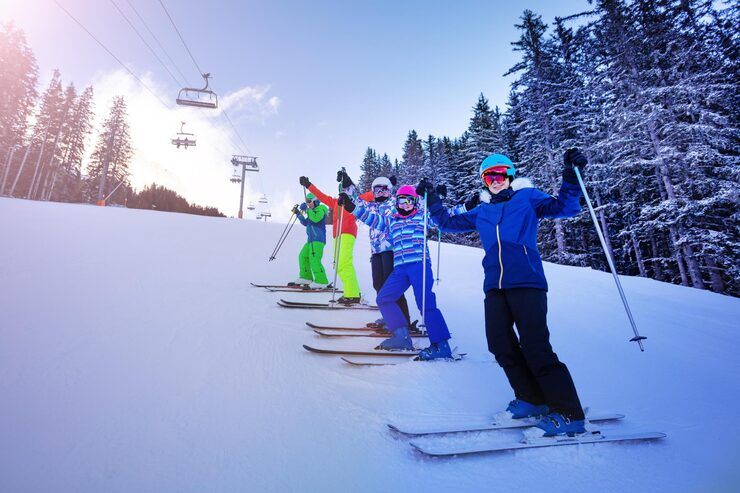
Winter ski destinations are mountain regions and resorts where visitors participate in snow-based activities, including downhill skiing, cross-country skiing, snowboarding, and snowshoeing. These destinations are generally located in areas that receive seasonal snowfall or have suitable temperatures and infrastructure for snowmaking.
Popular ski regions include the European Alps, the Rocky Mountains in North America, the Japanese island of Hokkaido, and mountain ranges across Scandinavia. Each region has different weather patterns, terrain, cultural experiences, and seasonal operating conditions.
A winter ski holiday involves more than selecting a mountain. Travelers often consider snowfall, altitude, lift access, accommodation, transportation, equipment requirements, and the difficulty of available slopes. Understanding these factors helps visitors choose a destination that matches their experience, physical ability, and travel preferences.
Major Types of Ski Destinations
Winter destinations vary considerably in terrain and atmosphere.
Alpine ski resorts: Mountain destinations in countries such as Switzerland, Austria, France, and Italy, often featuring extensive lift networks and interconnected ski areas.
North American ski resorts: Destinations in the United States and Canada known for varied terrain, mountain villages, and large recreational areas.
Japanese snow destinations: Regions such as Hokkaido and Nagano that can receive substantial seasonal snowfall and offer distinctive local cultural experiences.
Scandinavian ski regions: Areas in Norway, Sweden, and Finland that support downhill skiing, cross-country skiing, and other winter activities.
Emerging and smaller ski areas: Regional mountain destinations that provide skiing opportunities on a different scale from major international resorts.
Understanding Ski Seasons
The Northern Hemisphere ski season generally runs from late autumn or early winter through spring, depending on altitude, latitude, and weather. In the Southern Hemisphere, ski areas in countries such as Australia, New Zealand, Chile, and Argentina usually operate during their winter months, often from June through September.
These periods are approximate rather than guaranteed operating dates. Snowfall, temperatures, wind, and seasonal precipitation can affect opening schedules and the amount of terrain available.
Why Winter Ski Destinations Matter
Winter tourism contributes to regional economies by supporting accommodation providers, restaurants, transportation networks, mountain guides, equipment manufacturers, and other businesses. In many mountain communities, winter recreation is an important part of the annual tourism calendar.
Ski destinations also provide opportunities for outdoor exercise, family recreation, cultural exploration, and environmental education. However, visitors need to understand the physical demands of skiing and the risks associated with cold weather, steep terrain, and rapidly changing mountain conditions.
Choosing a Destination for Different Skill Levels
Selecting suitable terrain is essential for a safe and enjoyable experience.
Beginners: Look for designated learning areas, gentle slopes, qualified instructors, and clearly marked beginner routes.
Intermediate skiers: Consider destinations with a range of blue and red runs, depending on the local slope classification system.
Advanced skiers: Evaluate steep terrain, challenging marked runs, and specialist areas that match their experience.
Families: Consider beginner facilities, non-ski activities, convenient transportation, and suitable accommodation arrangements.
Cross-country enthusiasts: Look for maintained Nordic trails, route maps, and information about trail conditions.
Slope colors are not identical everywhere. A blue run in one country may not correspond exactly to a blue run elsewhere, so visitors should review local grading systems before choosing a route.
Climate and Environmental Considerations
Climate variability is an important consideration for winter tourism. Warmer temperatures can reduce natural snow cover, particularly at lower elevations. Some destinations use snowmaking systems to supplement natural snowfall, but these systems depend on suitable weather conditions, water availability, and energy.
Mountain environments are also sensitive to waste, habitat disturbance, transportation emissions, and heavy visitor activity. Responsible travel includes following marked routes, respecting wildlife, reducing litter, and following local environmental guidance.
Recent Trends in Winter Ski Destinations
Winter tourism continues to evolve as destinations respond to changing weather patterns, visitor expectations, and improvements in mountain technology. The 2025–2026 season highlighted the importance of checking local snow conditions rather than relying only on historical snowfall patterns.
Snow Conditions and Seasonal Changes
During September 2026, Alpine Resorts Victoria reported that several Australian alpine resorts had concluded their 2026 winter operations earlier than anticipated. Warmer weather and higher-than-usual rainfall affected snow cover and operating conditions. The experience demonstrated how weather variability can influence the length of a ski season.
In Japan, reports comparing the 2025–2026 and 2024–2025 seasons also showed substantial differences in snowfall between destinations. Individual resorts experienced different conditions, reinforcing the importance of checking local snow reports before planning a trip.
Technology and Sustainable Mountain Tourism
Several developments are shaping the modern ski experience:
Digital snow reports: Provide updates about snowfall, snow depth, slope conditions, and lift operations.
Snowmaking technology: Helps some resorts maintain selected pistes when temperatures and water conditions are suitable.
Mountain safety applications: Provide weather alerts, route information, and avalanche forecasts where available.
Sustainable transport: Some destinations encourage public transportation and shared transfers to reduce road congestion and emissions.
Year-round mountain tourism: Resorts increasingly promote hiking, cycling, and scenic activities outside the winter season.
These developments help visitors plan more effectively, although weather forecasts and digital reports cannot guarantee that particular slopes will remain open.
Laws, Policies, and Mountain Safety
Ski destinations operate under national and regional rules covering mountain safety, protective equipment, environmental conservation, and access to designated terrain. Regulations vary by country, and visitors should understand the requirements that apply to their chosen destination.
Safety Regulations in European Ski Resorts
European destinations generally use marked slopes, warning signs, and designated restricted areas to guide visitors. Local rules may govern helmet use, ski equipment, conduct on pistes, and responsibilities following an accident.
Italy introduced a broader mandatory helmet requirement for participants in specified downhill winter sports from the 2025–2026 season. Travelers visiting Italian ski resorts should confirm the current requirements for their activity and equipment.
Rules for Backcountry Skiing in Japan
Niseko, on Japan's northern island of Hokkaido, applies specific backcountry safety rules. Skiers must use designated gates to enter permitted backcountry areas, avoid crossing boundary ropes, and respect closures. Avalanche equipment and awareness are particularly important outside controlled pistes.
Backcountry skiing involves risks that differ from those on maintained resort slopes. Visitors should assess avalanche conditions, weather forecasts, terrain, and their own experience before entering unmanaged mountain areas.
General Safety Practices
Wear a properly fitted helmet and suitable winter clothing.
Follow posted signs, slope markings, and ski patrol instructions.
Check avalanche warnings before entering mountainous terrain.
Stay within terrain appropriate for your ability.
Carry a charged phone and know the local emergency number.
Follow local environmental rules and respect wildlife habitats.
Tools and Resources for Planning a Ski Holiday
Reliable information helps travelers compare winter ski destinations and prepare for changing mountain conditions.
Useful resources include:
Snow and lift reports: Check current snow depth, open pistes, and operating lifts.
Weather forecasting tools: Review temperature, wind speed, visibility, and expected snowfall.
Avalanche forecasting resources: Consult official regional forecasts before considering off-piste activities.
Ski trail maps: Identify slope difficulty, lift connections, and designated beginner areas.
Travel planning calculators: Estimate journey times, luggage requirements, and transport connections.
Equipment checklists: Organize helmets, goggles, insulated clothing, gloves, suitable footwear, and other essentials.
The following table compares several well-known winter ski regions.
Destination | Country | Notable features | Typical season |
|---|---|---|---|
Zermatt | Switzerland | High-altitude Alpine terrain and mountain scenery | Winter to spring |
Chamonix | France | Alpine landscapes and varied mountain terrain | Winter to spring |
Aspen | United States | Multiple ski areas and mountain recreation | Winter to spring |
Niseko | Japan | Snowy mountain terrain and Japanese culture | Winter |
Whistler | Canada | Extensive mountain recreation and varied pistes | Winter to spring |
Queenstown region | New Zealand | Southern Hemisphere skiing and mountain scenery | June to September |
These seasonal ranges are approximate. Actual dates depend on weather, elevation, and individual resort operating schedules.
Frequently Asked Questions
Which countries are known for winter ski destinations?
Switzerland, France, Austria, Italy, the United States, Canada, Japan, Norway, Sweden, New Zealand, and Australia are known for winter sports. Each offers different terrain, seasonal conditions, and recreational experiences.
When is the best time to plan a ski holiday?
For many Northern Hemisphere destinations, January and February are popular winter months. December can offer early-season skiing, while March and April may provide spring conditions at higher elevations. The best period depends on the destination and the prevailing weather.
Are winter ski destinations suitable for beginners?
Yes. Many resorts have designated learning areas, beginner slopes, equipment facilities, and professional instruction. Beginners should choose terrain suited to their ability and learn local slope classifications before skiing independently.
How can travelers check snow conditions before departure?
Review official resort snow reports, mountain weather forecasts, lift status updates, and local avalanche information when relevant. Check these resources again shortly before departure because conditions can change rapidly.
What should travelers pack for a winter ski trip?
Essential items generally include layered thermal clothing, waterproof outerwear, gloves, goggles, suitable socks, and insulated footwear. Skiers should also consider a helmet, sunscreen, personal medication, travel documents, and equipment appropriate to their activities.
Conclusion
Winter ski destinations offer opportunities for outdoor recreation, mountain exploration, and cultural experiences across several continents. From the European Alps and North American Rockies to the snowy landscapes of Japan and the Southern Hemisphere, each region has distinctive terrain and seasonal characteristics.
Successful trip planning involves comparing ski terrain, understanding local safety regulations, monitoring weather forecasts, and preparing suitable equipment. Climate variability also makes it important to check current snow conditions rather than relying exclusively on typical seasonal dates.
With informed planning and responsible mountain practices, visitors can make better decisions about winter travel while respecting the safety of other mountain users and the environments that make these destinations distinctive.