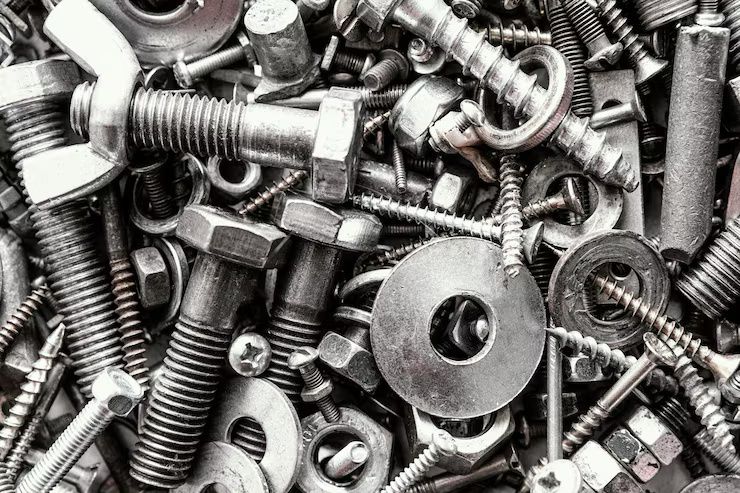
Bolts and screws are mechanical fasteners used to join, secure, or assemble components into a stable structure. They exist because most machines, buildings, and products require parts to be held together in a controlled, reliable, and often removable way. Unlike permanent joining methods, fasteners allow disassembly, adjustment, and maintenance over time.
Historically, early fasteners were simple wooden pegs or metal pins. As metalworking advanced, threaded fasteners such as bolts and screws were developed, allowing stronger and more reliable connections. Standardized threads later enabled interchangeable parts and predictable assembly processes.
Today, bolts and screws are essential components in engineering, construction, and manufacturing. They are used in structures, machinery, vehicles, and everyday products to create secure and stable connections.
Importance: Why Bolts and Screws Matter Today
Bolts and screws are critical because modern systems rely on strong and precise connections. Their performance directly affects safety, durability, and functionality.
Key Reasons for Importance
- Transfer and distribution of mechanical loads
- Support for safe assembly and disassembly
- Maintenance of structural stability and alignment
- Enablement of repair and component replacement
These fasteners are used by engineers, builders, and maintenance teams to ensure reliability in both structural and mechanical systems.
Challenges Addressed
- Preventing joint failure under load
- Ensuring consistent alignment of components
- Supporting repeatable and efficient assembly
- Maintaining long-term structural integrity
Understanding these challenges highlights the importance of proper fastener selection and use.
Recent Updates: Developments in Bolts and Screws
In 2024 and early 2025, advancements in fasteners focused on material strength, durability, and quality control. These developments support modern engineering requirements.
Key Trends
- Development of high-strength fasteners for lightweight structures
- Improved corrosion-resistant coatings
- Adoption of automated inspection and traceability systems
- Efforts to harmonize international fastener standards
These updates improve performance, longevity, and compatibility across global applications.
Laws and Policies: Standards Affecting Bolts and Screws
Bolts and screws are governed by engineering standards and safety regulations. These frameworks ensure consistency, strength, and reliability.
Key Regulatory Areas
- Standardized thread dimensions and material grades
- Construction and industrial safety requirements
- Quality testing and performance evaluation standards
- Workplace safety and installation guidelines
These standards help reduce risks and ensure that fasteners perform correctly under real-world conditions.
Tools and Resources: Understanding Bolts and Screws
Various tools and references help explain fastener selection and performance. These resources support engineering knowledge and practical application.
Common Tools and Resources
- Bolt strength and grade charts
- Thread size and pitch tables
- Torque and preload calculation guides
- Engineering handbooks
- Visual guides to fastener markings
Common Fastener Types
| Fastener Type | Typical Use | Key Characteristic |
|---|---|---|
| Hex Bolts | Structural connections | High load capacity |
| Machine Screws | Machinery and equipment | Precision threading |
| Wood Screws | Timber applications | Self-threading capability |
| Socket Head Screws | Compact mechanical designs | High strength in small size |
| Anchor Bolts | Foundations and structures | Load transfer to concrete |
These types demonstrate how fasteners vary based on application needs.
Differences Between Bolts and Screws
The table below highlights key differences:
| Aspect | Bolts | Screws |
|---|---|---|
| Typical Use | Structural, heavy-duty joints | Mechanical, lighter joints |
| Installation | Used with a nut | Threaded directly into material |
| Load Handling | High tensile and shear loads | Moderate to high loads |
| Removal | Designed for repeated removal | Often removable |
This comparison helps clarify their distinct roles in engineering applications.
FAQs: Common Questions About Bolts and Screws
What is the main difference between a bolt and a screw?
A bolt is typically used with a nut, while a screw threads directly into a material.
Why are bolt grades important?
Grades indicate strength and material properties, ensuring the fastener can handle required loads.
Are fasteners standardized?
Yes, many sizes and specifications follow international standards.
What happens if the wrong fastener is used?
It can lead to joint failure, misalignment, or reduced safety.
Do fasteners require inspection?
Yes, inspection ensures proper installation and long-term reliability.
Conclusion: The Role of Bolts and Screws in Modern Systems
Bolts and screws are small but essential components in modern engineering and construction. They provide secure connections that support safety, efficiency, and durability.
By understanding their importance, trends, standards, and applications, readers gain insight into their critical role in everyday systems. These fasteners remain fundamental to reliable and efficient design across industries.