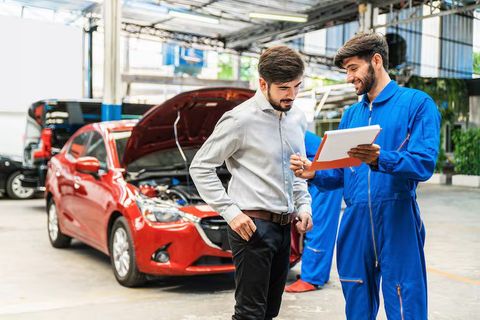
A vehicle can appear to run normally while developing problems that affect braking, steering, visibility, or tire performance.
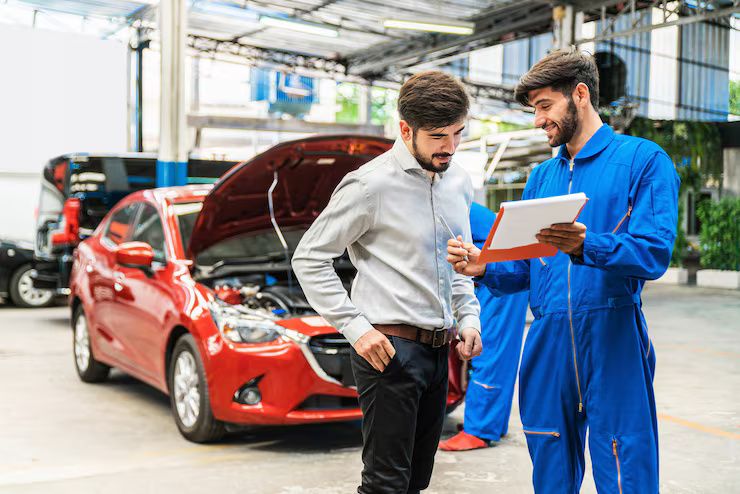
Routine car repair and maintenance helps identify these issues before they become more serious. Simple checks, combined with timely professional inspections, support safer and more predictable driving.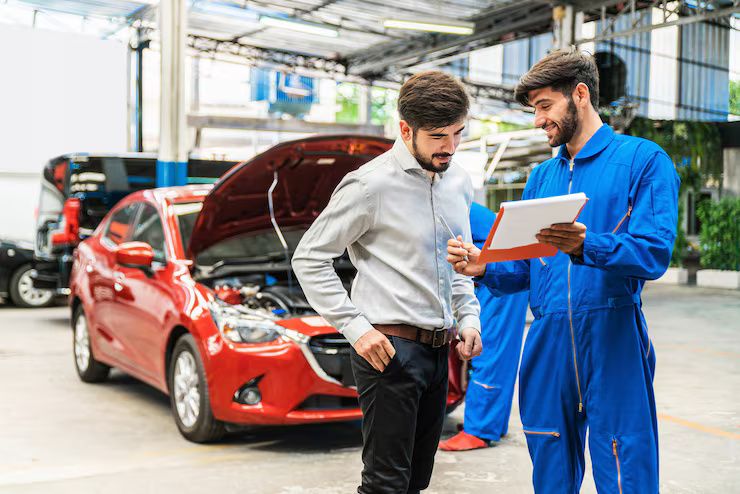
Modern vehicles include electronic monitoring systems, advanced braking technology, and increasingly complex powertrains. These features can identify certain faults, but they do not replace physical inspections. Tires still need to be examined, fluids still require attention, and warning signs still need to be investigated.
Understanding routine vehicle checks helps drivers recognize what they can monitor themselves, what requires a qualified technician, and when a repair should not be delayed. The goal is not to perform every task personally, but to understand how maintenance supports vehicle safety.
Why Routine Maintenance Matters for Vehicle Safety
Vehicle safety depends on several systems working together. Brakes must generate consistent stopping force, tires must maintain contact with the road, steering components must respond predictably, and lights must help the driver see and be seen.
Maintenance also affects reliability. A neglected battery, worn belt, low fluid level, or damaged tire may not cause an immediate breakdown, but it can create problems under demanding conditions such as heavy traffic, extreme temperatures, or long-distance driving.
The maintenance schedule in the vehicle owner's manual provides the starting point. It accounts for the manufacturer's recommended inspection intervals, fluid specifications, replacement requirements, and differences between normal and severe driving conditions.
Short trips, frequent idling, dusty environments, heavy loads, and repeated stop-and-go driving may place additional demands on certain components. The appropriate maintenance interval therefore depends on both the vehicle and how it is used.
Checks Drivers Can Perform Regularly
Many useful inspections do not require specialized equipment. A few minutes spent observing the vehicle can help identify changes that deserve attention.
Tires and Wheels
Tires are the vehicle's only direct contact with the road. Their condition influences braking, cornering, acceleration, and stability, especially on wet surfaces.
Check tire pressure when the tires are cold and compare the readings with the vehicle manufacturer's recommended values. The correct pressure is usually listed on a label inside the driver's door or in the owner's manual.
Inspect the tread for uneven wear, embedded objects, cracks, bulges, or damage to the sidewalls. Uneven wear may indicate alignment problems, suspension issues, or incorrect inflation. A tire with a visible bulge or significant damage should be assessed promptly by a qualified professional.
Wheel nuts should also be checked according to the manufacturer's maintenance guidance, particularly after wheel removal or tire-related work.
Lights, Wipers, and Visibility
Clear visibility is essential in rain, fog, darkness, and heavy traffic. Drivers should periodically check headlights, brake lights, turn signals, hazard lights, and reversing lights.
Replace damaged or ineffective wiper blades when they leave streaks, skip across the glass, or fail to clear water properly. Keep the windshield washer reservoir filled with an appropriate fluid, and inspect the windshield for damage that may obstruct the driver's view.
Exterior mirrors, the rear window, and camera lenses should remain clean. Small visibility problems can become significant when combined with poor weather or nighttime driving.
Fluid Levels and Visible Leaks
Fluids support several critical vehicle systems. Engine oil lubricates moving parts, coolant helps regulate temperature, brake fluid transfers hydraulic pressure, and windshield washer fluid supports visibility.
Check fluid levels according to the vehicle manufacturer's instructions. Some vehicles require the engine to be cold for accurate readings, while others have specific procedures for checking coolant or transmission fluid.
Look beneath the vehicle for unfamiliar puddles or fresh stains. Fluid color alone is not always enough to identify a leak, but a new leak, a falling fluid level, or an unusual smell warrants further inspection.
Never open a hot cooling-system cap. Pressurized coolant can cause serious burns.
Maintenance Tasks That Require Professional Attention
Some safety-related systems need specialized tools, measurements, or technical knowledge. Attempting to repair them without the appropriate equipment can create additional risks.
Brake System Inspection
Brake pads, rotors, drums, calipers, brake lines, and hydraulic components all contribute to stopping performance. Wear does not always develop evenly, and some problems may not be obvious from outside the vehicle.
Warning signs include squealing, grinding, vibration during braking, a brake pedal that feels unusually soft, or a vehicle that pulls to one side. A brake warning light should also be investigated rather than ignored.
Brake components should be inspected according to the maintenance schedule and whenever symptoms appear. The correct replacement interval varies with driving habits, vehicle design, and component condition.
Steering and Suspension
The steering and suspension systems help maintain control, stability, and tire contact with the road. Components may include tie rods, ball joints, control arms, shock absorbers, struts, and wheel bearings.
Signs of potential problems include excessive bouncing, uneven tire wear, knocking sounds, steering looseness, or unusual movement when braking. A vehicle that feels unstable or difficult to control should be inspected promptly.
Wheel alignment is another important consideration. Misalignment can affect handling and accelerate tire wear, particularly after impacts with potholes, curbs, or other obstacles.
Battery, Belts, and Hoses
The battery supplies electrical power for starting and operating vehicle systems. Corrosion around terminals, difficulty starting, dimming lights, or repeated electrical issues may indicate a problem that needs attention.
Belts and hoses should be checked for cracking, fraying, swelling, or signs of deterioration. Some vehicles use timing belts that require replacement at a specified interval, while others use timing chains with different maintenance requirements. The owner's manual should determine the appropriate schedule.
A belt or hose failure can affect engine operation, cooling, or other essential systems. Preventive inspection is often easier than dealing with an unexpected failure.
Warning Signs That Should Not Be Ignored
Routine maintenance is most effective when drivers respond to changes early. A warning light, unusual sound, or new driving behavior may indicate a developing issue.
Important warning signs include:
A persistent engine, brake, or tire-pressure warning light
New grinding, knocking, squealing, or clicking sounds
Unusual vibrations through the steering wheel or body
A change in braking distance or pedal response
Steering that feels loose, heavy, or inconsistent
Repeated overheating or unexplained fluid loss
Smoke, burning smells, or visible leaks
Reduced visibility caused by damaged lights or wipers
Not every warning indicates an immediate emergency, but the appropriate response depends on the symptom. A flashing warning light, loss of braking ability, severe overheating, or sudden steering difficulty may require stopping safely and arranging professional assistance rather than continuing to drive.
Following a Maintenance Schedule Without Overlooking Daily Conditions
A maintenance schedule provides structure, but it should not be treated as a substitute for observation. A vehicle may need attention before its next scheduled appointment if it develops a fault or experiences unusual operating conditions.
Keep records of inspections, fluid changes, tire rotations, repairs, and replacement parts. These records help identify recurring problems and provide a clearer picture of the vehicle's maintenance history.
It is also useful to understand the difference between routine maintenance and corrective repair. Routine maintenance includes scheduled inspections and replacement of components according to established intervals. Corrective repair addresses a fault that has already developed.
Both are necessary. Maintenance reduces the likelihood of certain failures, while repair restores a system when wear, damage, or malfunction has occurred.
Preparing a Vehicle for Different Driving Conditions
Maintenance needs can change with the environment and the type of driving. Long highway journeys may place sustained demands on tires, cooling systems, and engine components. Urban driving can involve frequent braking, idling, and short trips that affect different systems.
Before a long journey, check tire pressure, fluid levels, lights, wipers, and the condition of the spare tire or tire-repair equipment. Confirm that essential emergency items are accessible and that the vehicle's warning indicators are functioning normally.
Seasonal conditions also matter. Hot weather can increase demands on cooling and air-conditioning systems, while cold weather can affect battery performance and tire pressure. Rainy conditions make tread condition and windshield visibility especially important.
The objective is not to eliminate every possible problem. It is to identify foreseeable issues and ensure the vehicle is prepared for the conditions in which it will operate.
Frequently Asked Questions
How often should a vehicle receive routine maintenance?
Follow the manufacturer's recommended time or mileage intervals, whichever comes first. The schedule may differ for severe driving conditions, and inspections should occur sooner if warning signs appear.
Can drivers perform all vehicle safety checks themselves?
Drivers can perform basic checks such as tire pressure, fluid levels, lights, and visible damage. Brakes, steering, suspension, and other complex systems should generally be inspected or repaired by qualified technicians.
What should I do if a warning light appears?
Check the owner's manual for the warning light's meaning and severity. If the vehicle shows serious symptoms, stop safely and seek professional assistance rather than continuing to drive.
Why is tire pressure important for vehicle safety?
Correct tire pressure supports handling, braking, stability, and even tire wear. Both underinflation and overinflation can affect how the vehicle responds to road conditions.
Does a vehicle need maintenance even if it drives normally?
Yes. Some wear and developing faults may not produce noticeable symptoms immediately. Scheduled inspections help identify issues before they affect vehicle operation.
Conclusion
Car repair and maintenance supports vehicle safety through regular observation, scheduled inspections, and timely attention to warning signs. Tires, brakes, steering, suspension, fluids, lights, and electrical components all contribute to reliable vehicle control.
Drivers do not need to perform every repair themselves. Understanding which checks can be handled routinely and which require professional assessment helps create a practical maintenance approach. Consistent attention to the vehicle's condition can reduce avoidable risks and support safer journeys.