Understanding the Chances of Getting HIV is an important part of making informed decisions about personal health and reducing the risk of HIV transmission.
Human Immunodeficiency Virus (HIV) is transmitted through specific body fluids under certain conditions, and the likelihood of transmission varies depending on the type of exposure, preventive measures used, and whether the person with HIV has a detectable viral load.
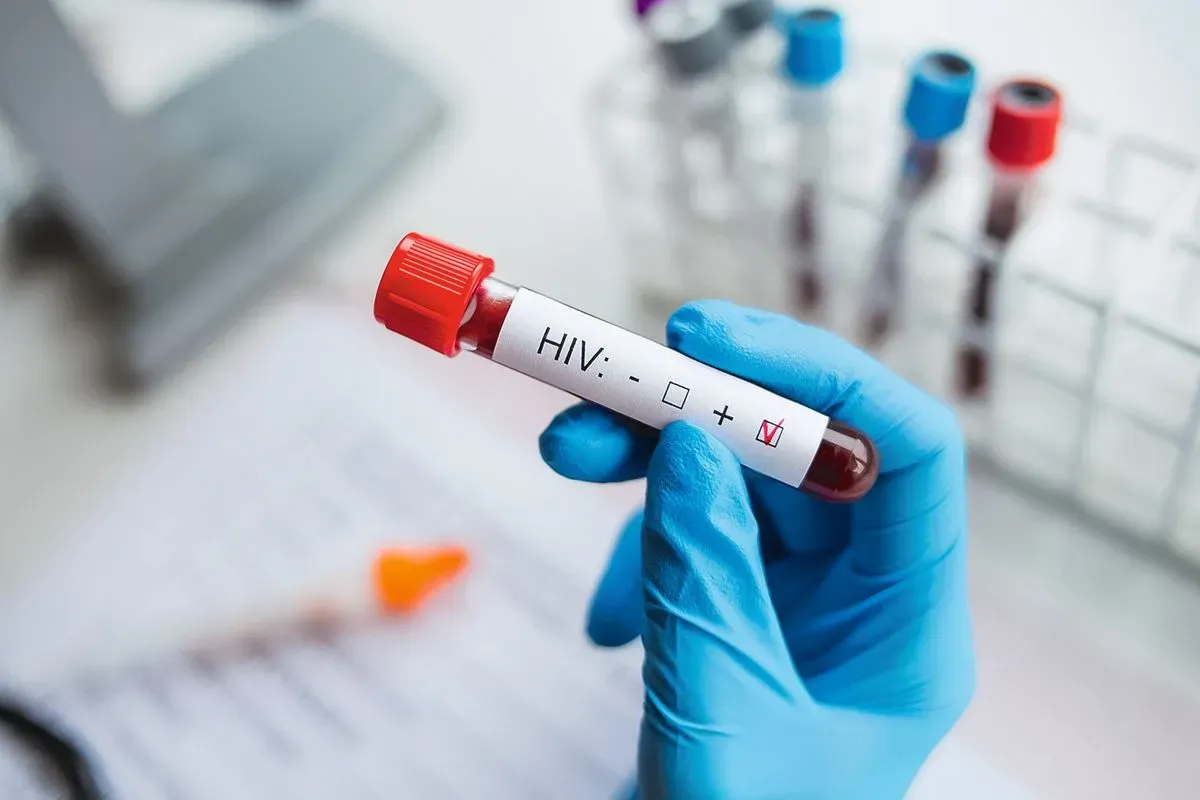
Advances in medical research, HIV testing, antiretroviral therapy (ART), and preventive medications such as Pre-Exposure Prophylaxis (PrEP) have significantly reduced the risk of HIV transmission in many situations. Learning how HIV is transmitted—and how it is not transmitted—can help reduce misinformation and support evidence-based prevention.
Medical Disclaimer: This article is intended for general educational purposes only and should not replace professional medical advice, diagnosis, or treatment. If you believe you have been exposed to HIV, seek medical advice immediately. Post-Exposure Prophylaxis (PEP) should generally be started as soon as possible and within 72 hours after a potential exposure.
What Is HIV?
Human Immunodeficiency Virus (HIV) is a virus that attacks the immune system, specifically certain white blood cells known as CD4 cells. Without treatment, HIV can weaken the immune system over time, increasing the risk of infections and certain illnesses.
Today, effective treatment allows many people living with HIV to maintain long, healthy lives.
How HIV Is Transmitted
HIV can only be transmitted through specific body fluids from a person who has HIV.
These fluids include:
Blood
Semen
Vaginal fluids
Rectal fluids
Breast milk
Transmission generally requires these fluids to enter another person's bloodstream or come into contact with certain mucous membranes.
Factors That Affect the Chances of Getting HIV
The likelihood of HIV transmission depends on several factors.
Examples include:
Type of Exposure
Different types of exposure carry different levels of risk. Healthcare professionals evaluate each situation individually.
Viral Load
People living with HIV who take effective antiretroviral therapy and maintain an undetectable viral load do not sexually transmit HIV according to current scientific evidence (often summarized as U=U: Undetectable = Untransmittable).
Use of Prevention Methods
The consistent use of preventive measures, such as condoms and PrEP, can significantly reduce the risk of HIV transmission.
Presence of Other Sexually Transmitted Infections (STIs)
Some untreated STIs may increase susceptibility to HIV infection.
Access to Healthcare
Routine HIV testing, early diagnosis, and prompt treatment improve health outcomes and reduce transmission.
How HIV Is Not Spread
HIV is not transmitted through everyday social contact.
HIV is not spread by:
Hugging
Shaking hands
Sharing food
Sharing drinking glasses
Casual workplace contact
Using public toilets
Mosquitoes or other insects
Coughing or sneezing
Understanding these facts helps reduce stigma and misinformation.
Ways to Reduce the Risk of HIV
Several evidence-based strategies help lower the risk of HIV transmission.
Use Condoms Correctly
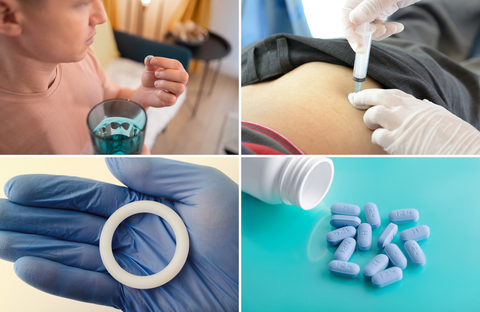
When used consistently and correctly, condoms significantly reduce the risk of HIV and many other sexually transmitted infections.
Consider PrEP
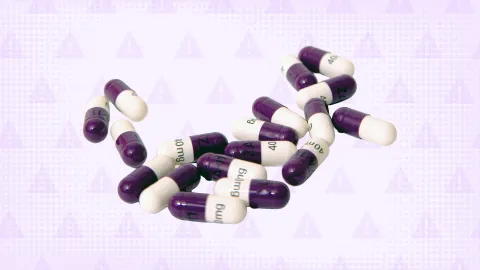
PrEP (Pre-Exposure Prophylaxis) is a prescription medication that can greatly reduce the risk of acquiring HIV for eligible individuals when taken as prescribed.
Seek PEP After Potential Exposure
Post-Exposure Prophylaxis (PEP) is an emergency medication regimen that should generally be started within 72 hours after a potential HIV exposure.
Get Tested Regularly
Routine HIV testing supports early diagnosis and appropriate treatment.
Avoid Sharing Injection Equipment
Using sterile needles and syringes helps prevent HIV transmission associated with injection drug use.
Encourage Treatment
People living with HIV who remain on effective treatment and maintain an undetectable viral load protect both their health and reduce sexual transmission.
Who May Benefit From HIV Testing?
Healthcare providers may recommend testing for:
Sexually active individuals
People with new or multiple sexual partners
Individuals with a recent potential exposure
Pregnant individuals as part of routine prenatal care
People who inject drugs
Anyone who requests HIV screening
Testing recommendations vary based on individual circumstances and local guidelines.
HIV Prevention Overview
| Prevention Method | Purpose |
|---|---|
| Condom Use | Reduce the risk of HIV and many STIs |
| PrEP | Prevent HIV before potential exposure |
| PEP | Emergency prevention after potential exposure |
| HIV Testing | Support early diagnosis |
| Antiretroviral Therapy | Maintain health and reduce transmission |
| Safe Injection Practices | Prevent blood-borne transmission |
Common Misconceptions
Several misconceptions about HIV continue to circulate.
Important facts include:
HIV cannot be diagnosed based on symptoms alone.
A person may have HIV without noticeable symptoms.
Effective treatment allows many people with HIV to live long and healthy lives.
Routine testing is the only reliable way to know your HIV status.
HIV is not spread through casual contact.
Reliable medical information helps reduce fear and stigma.
Current Developments in HIV Prevention
Research continues to improve HIV prevention and care.
Recent developments include:
Long-acting injectable PrEP
Improved HIV testing technologies
Digital adherence support tools
Telehealth HIV services
Expanded community testing programs
Personalized prevention strategies
Artificial intelligence-assisted healthcare support
Ongoing vaccine and prevention research
These advances continue to strengthen public health efforts worldwide.
Looking Ahead
The future of HIV prevention is expected to include more convenient preventive medications, broader access to testing, personalized prevention strategies, and continued research into vaccines and long-acting therapies. Public education and early access to healthcare will remain essential components of HIV prevention.
Why Understanding the Chances of Getting HIV Matters
Understanding the Chances of Getting HIV helps individuals make informed health decisions, recognize effective prevention methods, and seek timely medical care when needed. Accurate information supports safer behaviors, reduces stigma, and encourages routine HIV testing and preventive healthcare.
Conclusion
The Chances of Getting HIV depend on the type of exposure, preventive measures used, and access to effective medical care. Modern prevention strategies—including condoms, PrEP, PEP, routine HIV testing, and antiretroviral treatment—have greatly reduced the risk of transmission when used appropriately. By understanding how HIV is transmitted and following evidence-based prevention practices, individuals can better protect their health and contribute to broader public health efforts.