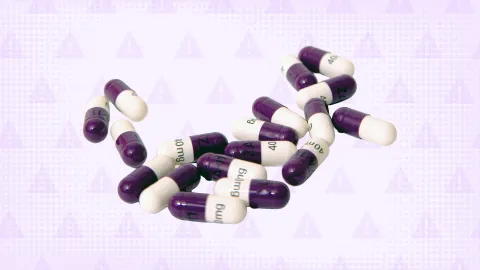
Human Immunodeficiency Virus (HIV) remains a significant global public health concern, but advances in prevention have made it possible to greatly reduce the risk of acquiring HIV for many people.
One of the most effective preventive strategies is PrEP Medication, which stands for Pre-Exposure Prophylaxis. When taken as prescribed and combined with other prevention strategies, PrEP can significantly reduce the risk of HIV transmission for eligible individuals.
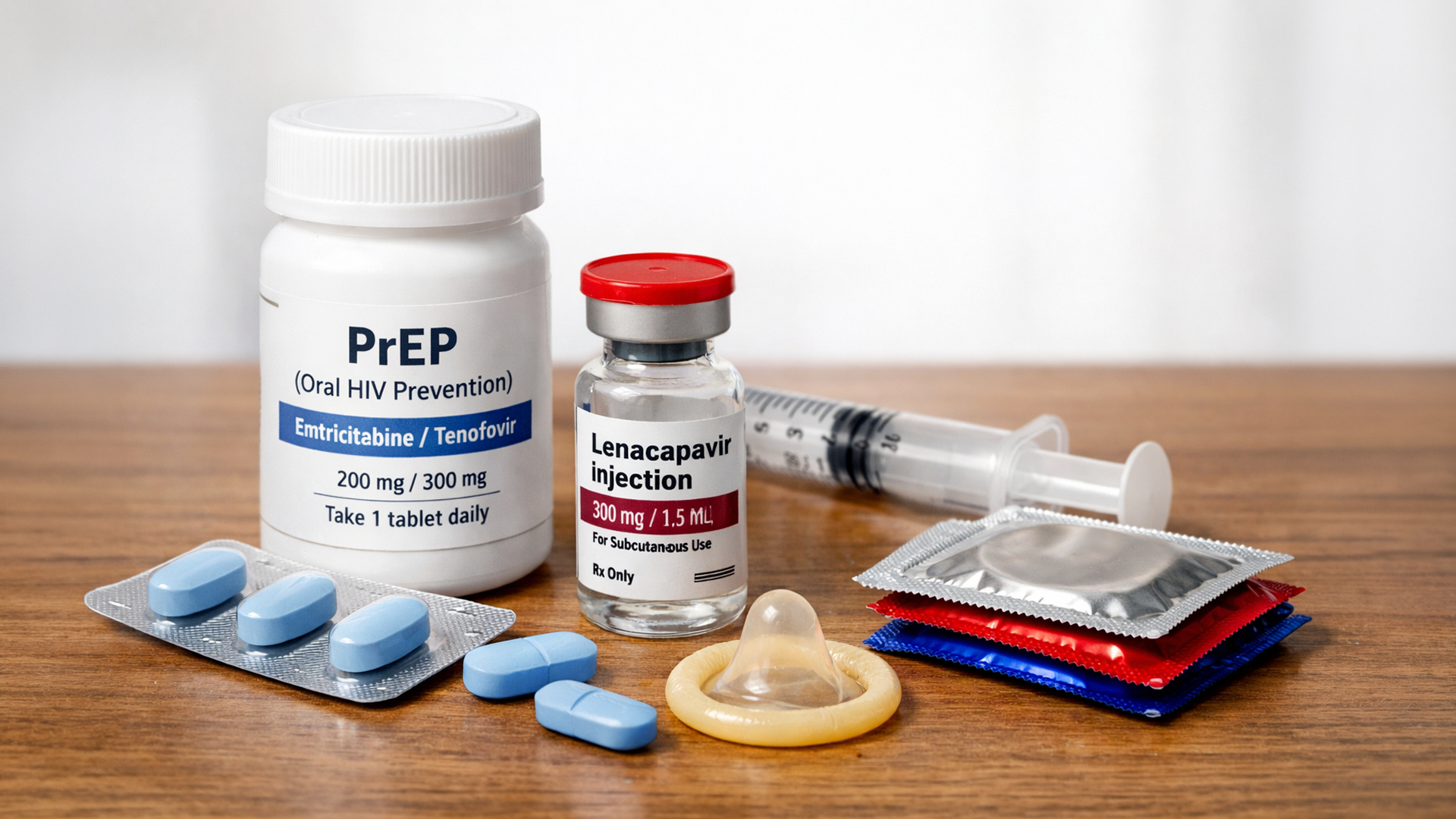
Healthcare providers determine whether PrEP is appropriate based on an individual's health, lifestyle, and potential risk of HIV exposure. Understanding how PrEP works, who may benefit from it, and the importance of regular medical follow-up can help people make informed decisions about HIV prevention.
Medical Disclaimer: This article is intended for general educational purposes only and should not replace professional medical advice, diagnosis, or treatment. PrEP should only be started under the guidance of a qualified healthcare professional after appropriate medical evaluation and HIV testing.
What Is PrEP Medication?
PrEP Medication is a preventive treatment used by people who do not have HIV but may have an increased likelihood of exposure. It involves taking prescription medication before potential exposure to help prevent HIV from establishing an infection if exposure occurs.
PrEP is intended for HIV prevention and is not a treatment for people who already have HIV.
How PrEP Medication Works
PrEP medications contain antiretroviral medicines that help block HIV from establishing a permanent infection in the body if exposure occurs.
For maximum effectiveness:
The medication must be taken exactly as prescribed.
Regular medical follow-up is required.
HIV testing is performed before starting PrEP and at recommended intervals during treatment.
Kidney function and other health assessments may also be monitored, depending on the medication prescribed.
Effectiveness depends on consistent adherence to the prescribed regimen.
Who May Benefit from PrEP?
Healthcare providers evaluate whether PrEP is appropriate based on individual circumstances.
PrEP may be considered for people who:
Have an ongoing risk of HIV exposure
Have a sexual partner living with HIV when appropriate prevention strategies are being evaluated
Have other circumstances identified during a healthcare assessment that increase HIV acquisition risk
Only a healthcare professional can determine whether PrEP is suitable for an individual.
Benefits of PrEP Medication
When taken consistently as prescribed, PrEP offers several important benefits.
Potential benefits include:
Significantly reducing the risk of acquiring HIV through sexual exposure
Reducing the risk associated with injection drug use when used as prescribed
Supporting comprehensive HIV prevention strategies
Providing an additional layer of protection alongside other preventive measures
Encouraging regular healthcare visits and HIV screening
Supporting early identification of other sexually transmitted infections (STIs) through routine testing
PrEP does not protect against other sexually transmitted infections, so additional preventive measures may still be recommended.
Types of PrEP
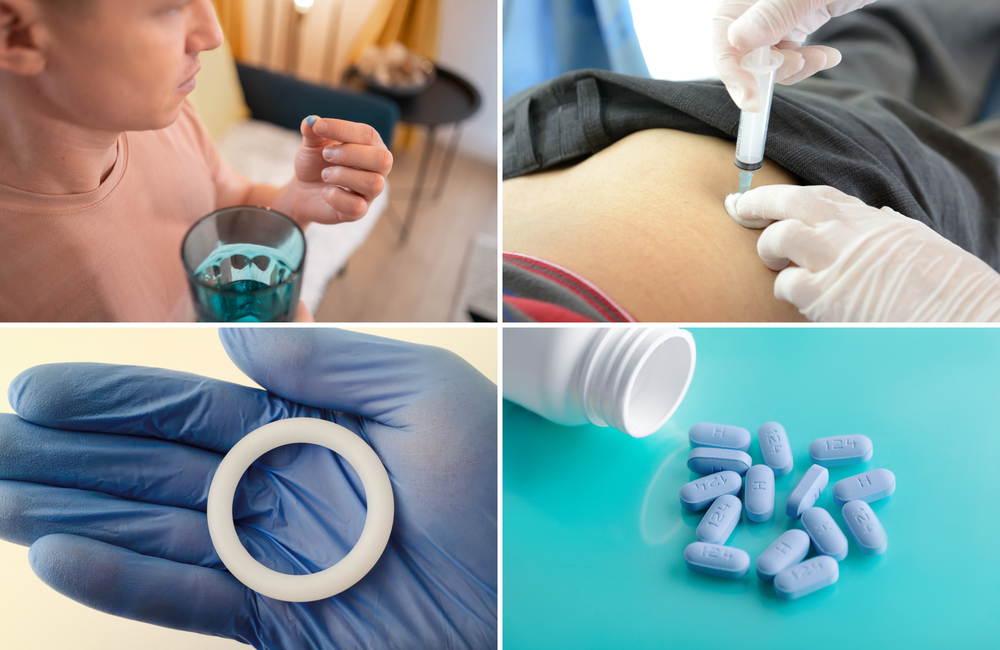
Several PrEP options may be available depending on the country and healthcare system.
Examples include:
Daily Oral PrEP
A once-daily prescription medication taken consistently according to medical instructions.
Long-Acting Injectable PrEP
In some countries, long-acting injectable PrEP is available for eligible individuals and is administered by a healthcare professional at scheduled intervals.
Availability varies by region and regulatory approval.
Medical Monitoring During PrEP
Routine healthcare visits are an essential part of PrEP use.
Monitoring may include:
HIV testing
Kidney function tests where appropriate
Screening for sexually transmitted infections
Medication adherence discussions
Side effect evaluation
General health assessment
Regular follow-up helps ensure that PrEP remains appropriate and effective.
Possible Side Effects
Like all prescription medications, PrEP may cause side effects in some individuals.
Some people may experience:
Nausea
Headache
Mild gastrointestinal discomfort
Fatigue
Many side effects are mild and improve over time, but any concerning symptoms should be discussed with a healthcare provider.
Comprehensive HIV Prevention
PrEP works best as part of a broader prevention strategy.
Additional preventive measures may include:
Condom use
Regular HIV testing
STI screening
Open communication with healthcare providers
Safe injection practices
Prompt medical evaluation after potential exposure when appropriate
Combining prevention methods offers the greatest level of protection.
PrEP Medication Overview
| Prevention Step | Purpose |
|---|---|
| Medical Evaluation | Determine eligibility for PrEP |
| HIV Testing | Confirm HIV-negative status before starting |
| Daily Medication or Scheduled Injections | Help reduce HIV acquisition risk |
| Routine Monitoring | Assess health and treatment safety |
| STI Screening | Support overall sexual health |
| Follow-Up Appointments | Monitor ongoing effectiveness |
Current Developments in HIV Prevention
HIV prevention continues to evolve through research and innovation.
Recent developments include:
Long-acting injectable PrEP
Improved antiretroviral medications
Telehealth HIV prevention services
Digital medication reminders
Personalized prevention strategies
Expanded access programs
Artificial intelligence-supported adherence tools
Ongoing research into new preventive therapies
These advances aim to improve access, convenience, and long-term prevention.
Looking Ahead
The future of PrEP Medication is expected to include additional long-acting formulations, personalized prevention strategies, and expanded access through public health programs. Continued research is focused on making HIV prevention more effective, convenient, and accessible for people who may benefit from PrEP.
Why Understanding PrEP Medication Matters
Understanding PrEP Medication helps individuals learn about an evidence-based option for HIV prevention. Working with healthcare professionals, following prescribed treatment, and attending regular medical appointments support safe and effective use of PrEP as part of a comprehensive prevention plan.
Conclusion
PrEP Medication has become an important advancement in HIV prevention, offering eligible individuals a highly effective way to reduce the risk of acquiring HIV when taken as prescribed. Combined with regular medical care, routine HIV testing, and other preventive measures, PrEP plays a valuable role in comprehensive HIV prevention strategies. As research continues to advance, additional prevention options are expected to further improve access and long-term public health outcomes.