Delhi is one of India's largest and busiest cities, serving as a gateway to North India for millions of travelers every year. Whether someone is arriving for tourism, education, business, healthcare, or relocation, understanding Delhi's transport connections can make traveling much easier.
The city is connected through an extensive network of airports, metro lines, railways, highways, buses, and local transportation services. These systems link Delhi not only with nearby cities such as Gurugram, Noida, Ghaziabad, and Faridabad, but also with every major region of India.
A good Delhi connection guide helps travelers understand how to move between important locations efficiently while avoiding unnecessary confusion. From reaching the airport by metro to traveling between railway stations or exploring historic neighborhoods, knowing the city's transport ecosystem saves time and improves the overall travel experience.
This guide explains Delhi's transportation network, major travel hubs, regional connections, local mobility options, and practical travel tips in a simple and informative way.
Why Delhi's Connectivity Is Important
Delhi functions as the National Capital Region's central transportation hub. The city connects government offices, educational institutions, tourist attractions, commercial centers, and residential areas through multiple transport systems working together.
Strong connectivity benefits different groups of people in different ways.
Students can easily commute between universities and hostels using metro and bus services.
Office workers travel daily between Delhi and neighboring NCR cities using rapid transit and road networks.
Tourists can reach monuments, museums, markets, and cultural destinations without depending entirely on private vehicles.
Business travelers benefit from fast airport and railway connections that link Delhi with major Indian cities.
Medical travelers visiting hospitals across Delhi also rely on convenient public transport connections.
Because Delhi covers a large geographical area, understanding interchange stations and transport routes becomes essential for efficient travel planning.
Delhi's Major Transportation Network
Delhi's connectivity is built around several integrated transportation systems rather than one single network.
Delhi Metro Network
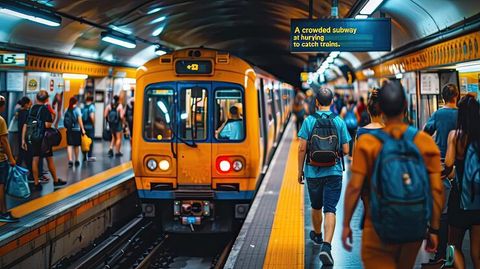
The Delhi Metro is the backbone of city transportation. It connects residential, commercial, and tourist areas across Delhi and the NCR region.
Major metro lines connect areas including Central Delhi, South Delhi, North Delhi, East Delhi, West Delhi, Gurugram, Noida, Greater Noida, Ghaziabad, and Faridabad.
The metro network includes underground, elevated, and surface stations with multiple interchange points that allow passengers to change lines without leaving the system.
Important interchange stations help travelers switch between routes quickly, making long-distance city travel more convenient.
Railway Connectivity
Delhi has several major railway stations that connect different parts of India.
The city's railway network supports long-distance trains, regional trains, and suburban services connecting nearby states.
Each railway station serves different train routes, so knowing the correct station before travel is important.
Airport Connectivity
Delhi is home to one of India's busiest international airports.
Airport connectivity includes metro services, airport express routes, buses, taxis, app-based cabs, and road transport connecting terminals with different parts of Delhi and NCR.
Road Connectivity
Delhi connects with surrounding states through major national highways and expressways.
Road connections support buses, private cars, taxis, interstate transport, and commercial logistics across North India.
Airport Connections Across Delhi
Delhi's airport serves domestic and international passengers arriving from hundreds of destinations.
Travelers can reach the airport through multiple transportation options depending on their location and schedule.
Metro to Airport
The Airport Express Metro provides one of the fastest connections between central Delhi and the airport.
Passengers traveling from New Delhi Railway Station can reach the airport using dedicated metro connectivity with minimal transfers.
Several metro interchanges connect other metro lines with the Airport Express route, allowing passengers from different parts of the city to reach airport terminals efficiently.
Road Access to Airport
The airport connects through major roads and expressways linking South Delhi, Central Delhi, Gurugram, Noida, and West Delhi.
Travelers using taxis or private vehicles can access different terminals through designated entry routes.
Bus and Shuttle Connectivity
Airport shuttle buses and city bus routes also connect important transport hubs with airport terminals for travelers preferring public transport.
Railway Stations and Their City Connections
Delhi has multiple railway stations, each serving different travel routes.
New Delhi Railway Station
This is one of India's busiest railway stations.
It connects directly with the metro network and provides access to Central Delhi, Connaught Place, Old Delhi, Karol Bagh, South Delhi, and airport services.
Old Delhi Railway Station
Located near Chandni Chowk, this station provides easy access to historic markets and heritage areas through metro connectivity.
Hazrat Nizamuddin Railway Station
This station connects South and Central Delhi with metro stations and road transportation.
Anand Vihar Terminal
Situated in East Delhi, Anand Vihar connects railway, interstate buses, metro, and regional transport services in one location.
Knowing which railway station your train uses helps avoid unnecessary travel across the city.
Delhi Metro Connections Explained
Delhi Metro includes several color-coded lines that connect different regions.
North-South Connections
These routes connect North Delhi with Central Delhi and South Delhi, making daily commuting easier.
East-West Connections
Metro lines connect East Delhi with commercial and residential neighborhoods across West Delhi.
NCR Connections
Delhi Metro extends into neighboring NCR cities including Gurugram, Noida, Greater Noida, Faridabad, and Ghaziabad.
This regional connectivity allows thousands of commuters to travel between cities without relying on road traffic.
Interchange Stations
Interchange stations allow passengers to switch metro lines.
These stations reduce travel time because passengers do not need to exit and re-enter the metro system.
Understanding interchange stations is one of the most useful parts of planning metro journeys in Delhi.
Delhi's Connection with NCR Cities
Delhi is closely connected with the National Capital Region through metro and road infrastructure.
Delhi to Gurugram
Gurugram is connected through metro, rapid transit, buses, taxis, and expressways.
Business districts and residential sectors have convenient public transport access from Delhi.
Delhi to Noida
Noida connects through metro corridors and major highways.
Travelers can easily reach educational institutions, IT parks, shopping centers, and residential areas.
Delhi to Greater Noida
Greater Noida connects through extended metro routes and expressway systems, supporting commuters and visitors.
Delhi to Faridabad
Metro and road connectivity make daily travel between Delhi and Faridabad accessible for workers and students.
Delhi to Ghaziabad
East Delhi connects with Ghaziabad through metro services, highways, buses, and regional transportation.
These regional connections make Delhi the central mobility hub of NCR.
Local Transport Connections Inside Delhi
Besides metro services, Delhi offers several local transportation options.
City Bus Network
Delhi's bus system covers neighborhoods that may not have direct metro access.
Buses connect residential colonies, markets, hospitals, educational institutions, railway stations, and metro stations.
Auto Rickshaws
Auto rickshaws provide short-distance travel between metro stations, markets, offices, and residential areas.
App-Based Taxi Services
Cab services connect travelers across Delhi at any time of day, especially where direct public transport is unavailable.
E-Rickshaws
E-rickshaws commonly operate around metro stations and local markets for last-mile connectivity.
Choosing the right transport depends on distance, traffic conditions, and convenience.
Road Connectivity and Expressways
Delhi's road infrastructure connects important regions through highways and ring roads.
Ring Roads
Ring roads help traffic move around Delhi instead of passing through city centers.
National Highways
National highways connect Delhi with neighboring states and major Indian cities.
Expressways
Modern expressways improve connectivity between Delhi and NCR cities by reducing travel time for commuters and commercial transport.
Road connectivity is especially useful for intercity travel and logistics movement.
Important Areas Connected by Delhi Metro
Delhi Metro connects many well-known neighborhoods and destinations.
Connaught Place
The city's commercial center connects with multiple metro lines and nearby railway stations.
Chandni Chowk
Historic Delhi becomes easier to explore through metro connectivity.
Karol Bagh
A popular shopping and residential area connected through metro and buses.
South Delhi
Educational institutions, hospitals, restaurants, and residential neighborhoods are well connected.
Dwarka
Dwarka connects residential sectors with airport routes and metro services.
Saket and Hauz Khas
These areas connect shopping, education, entertainment, and residential districts through interchange metro stations.
Understanding neighborhood connectivity helps travelers plan sightseeing and daily commuting more effectively.
Digital Connectivity for Travelers in Delhi
Transportation in Delhi has become increasingly digital.
Metro Smart Cards and Digital Tickets
Passengers can use digital ticketing systems for faster metro entry and exit.
Mobile Navigation
Navigation apps help travelers find metro routes, bus stops, traffic updates, and walking directions.
Digital Payments
Most transportation services support digital payment methods, making commuting more convenient.
Live Travel Information
Passengers can access real-time information about metro timings, traffic conditions, and transit updates through official transport platforms.
Digital connectivity reduces waiting time and simplifies journey planning.
Safety and Convenience While Traveling in Delhi
Delhi's transport network includes several features designed for passenger convenience.
Women Travelers
Many transport systems provide reserved spaces and dedicated facilities designed for safer commuting experiences.
Accessibility
Metro stations include elevators, escalators, tactile pathways, and facilities for passengers with disabilities at many locations.
Luggage Support
Airport and railway stations provide infrastructure for travelers carrying luggage during transfers.
Emergency Assistance
Major stations include help desks, security personnel, and emergency support services for passengers.
Being aware of station facilities improves overall travel comfort.
Useful Tips for Navigating Delhi Efficiently
Planning ahead makes traveling across Delhi significantly easier.
Start by identifying your destination's nearest metro station before beginning your journey.
Use interchange stations instead of road transport when traveling long distances during peak traffic hours.
Keep sufficient travel time when transferring between airport terminals or railway stations.
During rush hours, metro services are generally more predictable than road travel.
Carry digital payment options for smoother access to transportation services.
If traveling between Delhi and NCR cities, check whether metro or road travel is more convenient for your destination.
Understanding station exits is also useful because large metro stations often have multiple exits leading to different roads and landmarks.
Recent Connectivity Developments in 2025–2026
Delhi's transportation infrastructure continues expanding across the National Capital Region.
Metro expansion projects have continued connecting additional residential and commercial areas in Delhi and neighboring NCR cities.
Airport infrastructure improvements have focused on better passenger movement and terminal connectivity.
Road development projects continue enhancing expressways, flyovers, and regional transport corridors to improve travel between Delhi and surrounding cities.
Digital ticketing and integrated travel information systems have also become more widely available, making public transport easier for residents and visitors.
These ongoing developments aim to improve daily commuting efficiency while supporting Delhi's growing population and travel demand.
Common Travel Situations and How Delhi's Connections Help
Different travelers use Delhi's transport network differently depending on their purpose.
A tourist arriving at the airport can reach heritage sites through Airport Express and metro interchanges without relying entirely on taxis.
A student commuting between university campuses can combine metro and bus services for affordable daily travel.
A business traveler attending meetings in Gurugram can travel between Central Delhi and corporate districts using metro connections that avoid road congestion.
A family visiting hospitals or government offices can use interchange stations to reach different parts of Delhi with fewer transfers.
Understanding these travel patterns helps users choose faster and more convenient routes.
Conclusion
Delhi's transportation network is one of the most comprehensive urban connectivity systems in India. Its combination of metro lines, railway stations, airports, buses, highways, taxis, and regional transit creates seamless connections across Delhi and the National Capital Region. Whether traveling within historic neighborhoods, commuting to nearby NCR cities, or arriving from another part of India, understanding how these systems connect makes journeys more organized and efficient.
A well-planned trip in Delhi begins with knowing the nearest metro station, the correct railway terminal or airport route, and the available interchange connections. As Delhi continues expanding its transport infrastructure through metro extensions, expressways, and digital travel services, navigating the city is becoming increasingly accessible for residents, students, tourists, and business travelers alike.