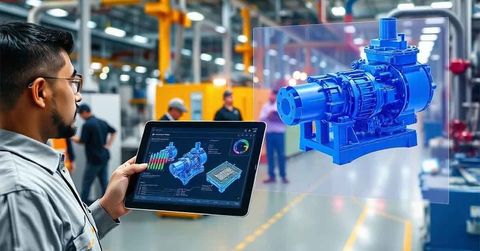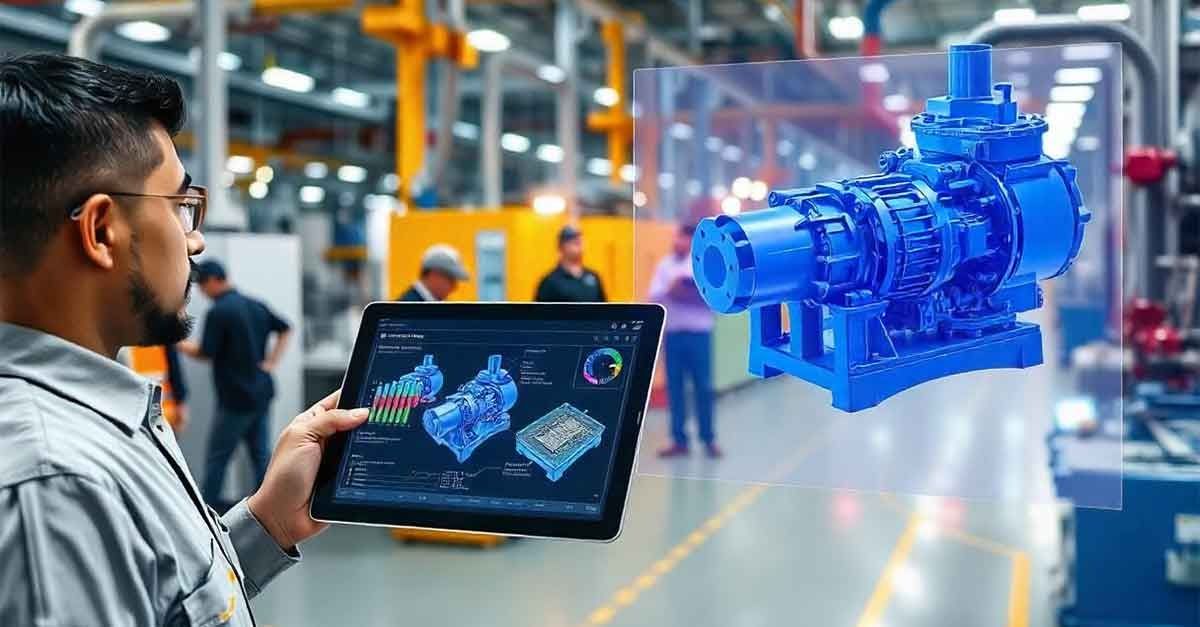
Digital twin technology is a concept used in modern manufacturing where a virtual model of a physical machine or system is created. This digital version mirrors real-world operations and allows users to observe, analyze, and simulate performance without directly interacting with the physical equipment.
The idea of digital twin in machinery comes from the broader evolution of smart manufacturing and industrial automation. As industries began integrating sensors, data systems, and connectivity, it became possible to create digital representations that update in real time.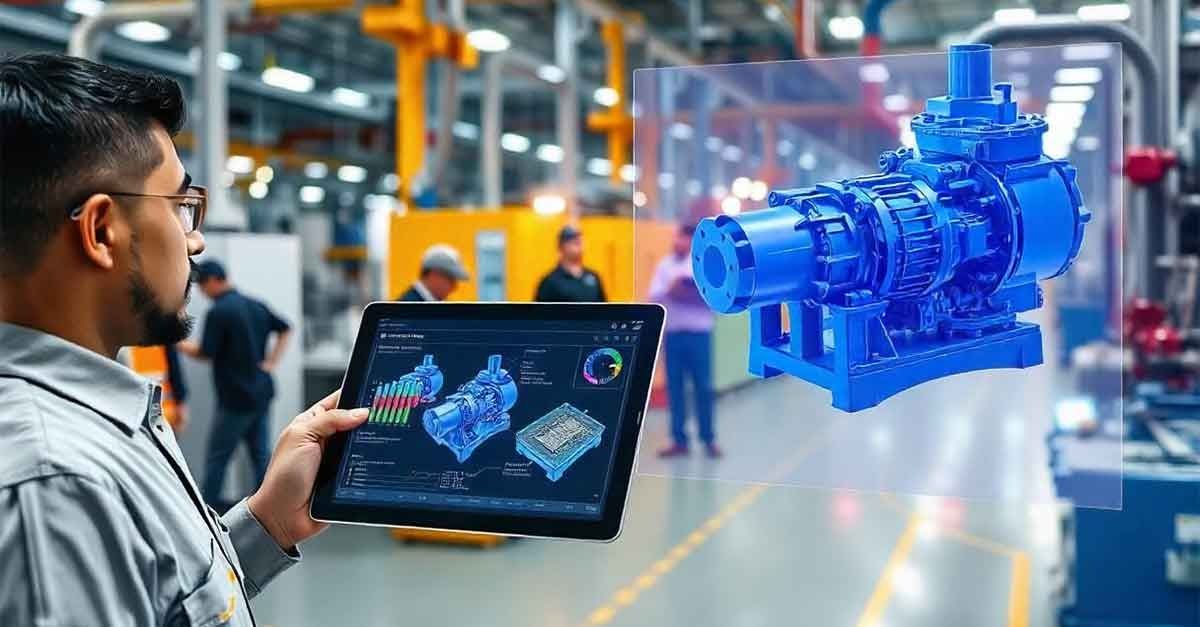
Digital twin technology exists to improve understanding of how machines behave under different conditions. By combining real-time data with simulation, digital twin systems help visualize processes and identify patterns that may not be visible through physical observation alone.
Importance
Digital twin technology plays a significant role in modern industries because it helps improve efficiency, reduce downtime, and support better decision-making. It is especially relevant in environments where machinery performance directly affects productivity.
Smart manufacturing relies on accurate data and continuous monitoring. Digital twin applications allow operators and engineers to understand machine behavior without interrupting operations. This is useful for identifying inefficiencies and predicting potential issues.
The importance of digital twin in machinery can be explained through key areas:
- Operational efficiency: helps track and optimize machine performance
- Predictive insights: supports early detection of potential failures
- Reduced downtime: allows planning of maintenance activities
- Data-driven decisions: improves accuracy in process adjustments
These advantages make digital twin benefits relevant for industries undergoing manufacturing digital transformation.
How Digital Twin Works
Understanding how digital twin works requires looking at how physical systems and digital models interact.
Data Collection
Sensors attached to machines collect real-time data such as temperature, pressure, speed, and usage patterns. This data forms the foundation of digital twin systems.
Data Processing
The collected data is processed using software platforms that create a virtual model of the machine. This model continuously updates as new data is received.
Simulation and Analysis
The digital twin can simulate different scenarios, allowing users to test conditions without affecting actual machinery. This helps in understanding performance and identifying potential risks.
Feedback Loop
Insights from the digital model can be used to adjust real-world operations. This continuous loop improves efficiency and supports predictive maintenance technology.
Digital Twin in Machinery
Digital twin in machinery is widely used across various industries where equipment performance is critical.
Manufacturing Equipment
Machines used in production lines can be monitored using industrial digital twin systems. This allows tracking of performance and early detection of wear or inefficiencies.
Energy Systems
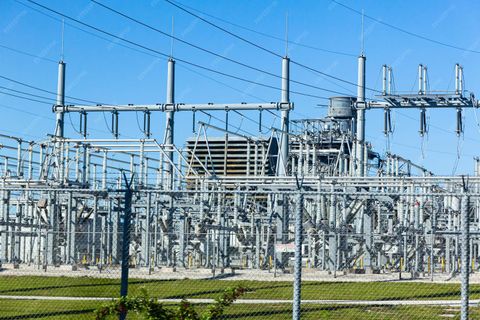
Digital twin applications are used in power generation and distribution systems to monitor performance and manage loads.
Transportation and Logistics
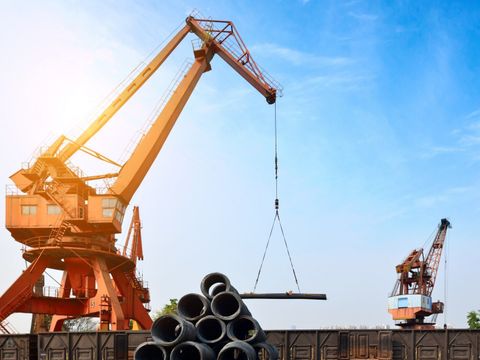
Machinery involved in logistics operations can be analyzed using digital twins to improve efficiency and reduce delays.
Heavy Industries
Industries such as construction and mining use digital twin technology to monitor large equipment and ensure safe operation.
Comparison of Traditional vs Digital Twin Approach
| Aspect | Traditional Monitoring | Digital Twin Technology |
|---|---|---|
| Data Usage | Limited and periodic | Continuous and real-time |
| Maintenance Approach | Reactive | Predictive |
| Decision Making | Based on past records | Based on live data |
| Simulation Capability | Limited | Advanced scenario testing |
| Efficiency Optimization | Manual adjustments | Data-driven improvements |
Recent Updates
Recent developments in digital twin technology show a shift toward more integrated and intelligent systems. Industries are combining digital twin systems with artificial intelligence and machine learning to improve accuracy and automation.
Another trend is the increased use of cloud-based platforms that allow remote monitoring and control. This makes digital twin applications more accessible across different locations.
Smart manufacturing is also expanding through the use of connected devices, often referred to as the industrial internet. These systems enhance the ability of digital twins to collect and process data efficiently.
There is also growing interest in sustainability, where digital twin technology is used to optimize energy usage and reduce waste in manufacturing processes.
Laws or Policies
Digital twin technology is influenced by regulations related to data usage, industrial safety, and digital infrastructure.
Data Protection Regulations
Digital twin systems rely on continuous data collection. Regulations ensure that data is handled securely and used responsibly.
Industrial Safety Standards
Machinery monitoring must comply with safety guidelines to prevent accidents and ensure proper operation.
Digital Infrastructure Policies
Governments are encouraging digital transformation through policies that support smart manufacturing and technological adoption.
These frameworks help ensure that digital twin applications are implemented in a safe and structured manner.
Tools and Resources
Several tools and resources support the implementation and understanding of digital twin technology.
Simulation Platforms
Software tools allow users to create and test digital twin models for machinery and systems.
Data Analytics Systems
Analytics platforms process large amounts of data to provide insights into machine performance.
Monitoring Dashboards
Dashboards display real-time information about equipment, helping users track performance and detect anomalies.
Training Materials
Educational resources explain how digital twin systems work and how they are used in manufacturing digital transformation.
FAQs
What is digital twin technology in simple terms?
Digital twin technology is a virtual representation of a physical machine that uses real-time data to simulate and monitor its performance.
How does digital twin in machinery improve efficiency?
Digital twin in machinery improves efficiency by providing continuous data insights, enabling better monitoring and predictive maintenance.
What are common digital twin applications in manufacturing?
Digital twin applications include equipment monitoring, process simulation, predictive maintenance, and performance optimization.
How digital twin works with predictive maintenance technology?
Digital twin systems analyze machine data to detect patterns and predict potential failures, allowing maintenance to be planned in advance.
What are the main digital twin benefits?
Digital twin benefits include improved operational efficiency, reduced downtime, better decision-making, and enhanced system understanding.
Conclusion
Digital twin technology is an important part of smart manufacturing and modern industrial systems. It allows virtual modeling of machinery, helping users monitor, analyze, and improve performance. By combining real-time data with simulation, digital twin systems support more efficient and informed operations. As industries continue to adopt digital solutions, the role of digital twin in machinery is expected to expand further.