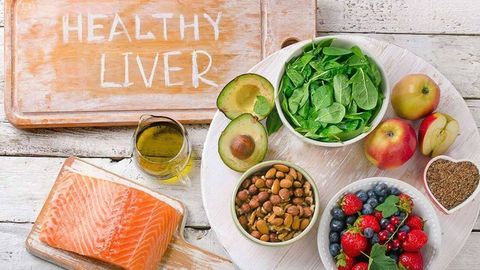
The liver is one of the body's most important organs, performing hundreds of essential functions that support digestion, metabolism, detoxification, and nutrient storage.
Maintaining good Liver Health is important for overall well-being, as the liver helps process nutrients, produce proteins, regulate blood chemistry, and remove waste products from the body. Healthy lifestyle habits, regular medical care, and informed nutrition choices can all contribute to supporting normal liver function.
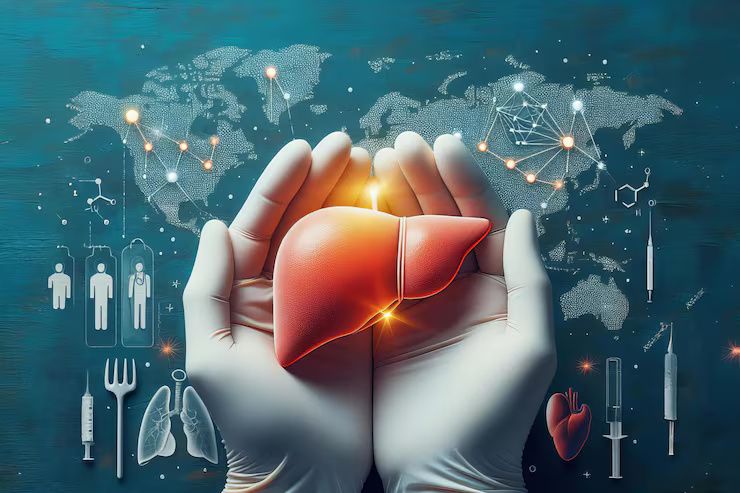
Advances in medical research, diagnostic testing, and public health education have improved awareness of liver diseases and the importance of preventive care. Understanding how the liver works and the everyday habits that support its health can help individuals make informed decisions about long-term wellness.
This guide explores liver health, common risk factors, healthy lifestyle practices, warning signs of liver problems, and current developments in liver care.
Medical Disclaimer: This article is intended for general educational purposes only and should not replace professional medical advice, diagnosis, or treatment. Anyone experiencing symptoms of liver disease or concerns about liver health should consult a qualified healthcare professional.
What Is Liver Health?
Liver Health refers to the normal structure and function of the liver, allowing it to perform its many essential roles efficiently. A healthy liver helps process nutrients, metabolize medications, produce bile for digestion, store vitamins and minerals, and remove waste products from the bloodstream.
The liver supports many important functions, including:
Processing nutrients from food
Producing bile for fat digestion
Storing glycogen for energy
Producing essential proteins
Supporting blood clotting
Breaking down certain medications
Removing toxins and waste products
Helping regulate metabolism
Maintaining these functions contributes to overall health.
Why Liver Health Matters
A healthy liver supports many body systems.
Benefits of maintaining liver health include:
Efficient nutrient metabolism
Healthy digestion
Normal energy production
Balanced blood chemistry
Support for immune function
Proper protein production
Healthy cholesterol metabolism
Long-term overall wellness
Protecting the liver is an important part of preventive healthcare.
Healthy Habits That Support Liver Health
Everyday lifestyle choices can help maintain normal liver function.
Eat a Balanced Diet
Choose a diet that includes:
Fruits
Vegetables
Whole grains
Lean protein sources
Healthy fats
Fiber-rich foods
Limiting highly processed foods, excess added sugars, and saturated fats may support overall health.
Stay Physically Active
Regular physical activity supports overall metabolic health and may help maintain a healthy body weight.
Maintain a Healthy Weight
Achieving and maintaining a healthy weight can help reduce the risk of certain liver conditions associated with excess body fat.
Limit Alcohol Consumption
Excessive alcohol intake can damage liver cells over time. Follow healthcare guidance and local public health recommendations regarding alcohol consumption.
Use Medications Responsibly
Take prescription and over-the-counter medications only as directed. Some medications and supplements can affect the liver if misused.
Stay Hydrated
Adequate water intake supports normal body functions and overall wellness.
Common Risk Factors for Liver Problems
Several factors may increase the risk of liver disease.
Examples include:
Excessive alcohol use
Obesity
Type 2 diabetes
Viral hepatitis
Certain medications
Exposure to harmful chemicals
Smoking
Family history of liver disease
Having a risk factor does not necessarily mean someone will develop liver disease.
Possible Signs of Liver Problems
Early liver disease may not cause noticeable symptoms.
Possible warning signs include:
Persistent fatigue
Yellowing of the skin or eyes (jaundice)
Abdominal swelling
Dark-colored urine
Pale stools
Nausea
Loss of appetite
Unexplained weight loss
These symptoms can occur with many medical conditions and should be evaluated by a healthcare professional.
Liver Health Overview
| Healthy Habit | Potential Benefit |
|---|---|
| Balanced Diet | Support normal liver function |
| Regular Exercise | Promote metabolic health |
| Healthy Weight | Reduce risk factors for certain liver conditions |
| Responsible Medication Use | Help protect the liver |
| Moderate Alcohol Intake | Reduce alcohol-related liver damage risk |
| Routine Medical Care | Support early detection of liver problems |
Regular Health Checkups
Routine healthcare visits may help identify liver concerns early.
Healthcare providers may recommend:
Physical examinations
Blood tests to assess liver function
Imaging studies when appropriate
Screening for viral hepatitis in eligible individuals
Review of medications and supplements
Lifestyle counseling
Recommendations vary based on age, medical history, and individual risk factors.
Current Developments in Liver Care
Research continues to improve liver disease prevention and management.
Recent developments include:
Artificial intelligence-assisted medical imaging
Non-invasive liver fibrosis assessment
Precision medicine approaches
Telehealth consultations
Digital health monitoring
Improved antiviral therapies
Ongoing clinical research
Public health initiatives promoting liver awareness
These advances support earlier diagnosis and more personalized care.
Looking Ahead
The future of Liver Health is expected to include expanded use of precision medicine, improved non-invasive diagnostic technologies, and greater integration of digital health tools for monitoring chronic liver conditions. Continued research aims to improve prevention, early detection, and treatment of liver diseases.
Why Understanding Liver Health Matters
Understanding Liver Health helps individuals recognize the importance of healthy lifestyle habits, regular medical care, and early evaluation of potential symptoms. Preventive measures and informed healthcare decisions can support long-term liver function and overall well-being.
Conclusion
Maintaining good Liver Health is an important part of supporting overall wellness. Through a balanced diet, regular physical activity, healthy weight management, responsible medication use, and routine medical care, individuals can help protect one of the body's most essential organs. As medical research continues to advance, increased awareness and early detection will remain key components of promoting lifelong liver health.