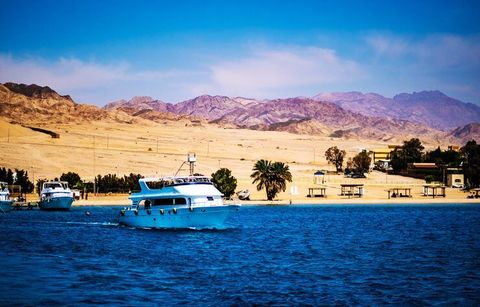
Egyptian Nile cruises provide a way to explore the history, landscapes, and communities surrounding one of the world's most important rivers. The Nile flows through northeastern Africa and has supported agriculture, transportation, settlement, and trade for thousands of years. In Egypt, many of the country's best-known ancient monuments are located along or near the river.
A Nile cruise typically connects historic destinations such as Luxor, Edfu, Kom Ombo, and Aswan. Depending on the itinerary, visitors may see ancient temples, archaeological sites, traditional riverside settlements, agricultural landscapes, and modern Egyptian towns.
River travel also provides geographical context for understanding ancient Egypt. The Nile's fertile valley supported population centers in an otherwise largely arid landscape, helping agriculture and organized settlement develop along its banks.
Understanding Nile Cruise Routes
The most established Nile cruise routes operate between Luxor and Aswan in southern Egypt. Some itineraries travel south from Luxor toward Aswan, while others follow the river in the opposite direction.
Cruises vary in duration, vessel design, departure schedules, and the number of archaeological stops. Some journeys focus on major temples, while longer itineraries may include additional destinations or land-based excursions.
Common destinations include:
Luxor: Known for Karnak Temple, Luxor Temple, and access to the West Bank archaeological landscape.
Edfu: Home to the Temple of Horus, one of Egypt's best-preserved ancient temples.
Kom Ombo: Known for its unusual double temple dedicated to Sobek and Haroeris.
Aswan: Associated with ancient monuments, Nubian culture, islands, and the surrounding river landscape.
Philae: An island temple complex dedicated primarily to the goddess Isis, located near Aswan.
These destinations combine archaeological history with the changing landscapes of the Nile Valley.
How Nile Cruises Operate
A typical river itinerary combines time aboard a vessel with visits to selected historical locations. Travel between stops takes place along the river, while excursions usually involve walking around temples, museums, or archaeological areas.
The schedule depends on river conditions, navigation arrangements, vessel operations, and the opening hours of individual sites.
Visitors should also distinguish between the Nile cruise region around Luxor and Aswan and Lake Nasser cruises farther south. Lake Nasser is an artificial reservoir created by the Aswan High Dam, and its routes involve different monuments and geographical conditions.
Why Egyptian Nile Cruises Matter
Nile cruises provide a useful way to understand the relationship between ancient Egyptian civilization, river transportation, agriculture, religion, and architecture.
Cultural and Historical Education
Ancient Egyptian settlements developed in close relationship with the Nile. The river supported farming, transportation of building materials, communication, and the movement of people and goods.
Temples along the river reveal aspects of religious beliefs, royal authority, engineering, and artistic traditions. Visiting several sites within one journey can help explain how these cultural practices developed across different periods.
Nile travel can also introduce visitors to the region's more recent history, including Nubian communities, agricultural traditions, and the transformation of river landscapes by modern infrastructure.
Tourism and Local Communities
Cruise tourism contributes to economic activity in destinations along the river. Activities associated with river journeys include transportation, accommodation, restaurants, cultural interpretation, and visits to archaeological attractions.
The distribution of tourism activity varies by location and season. Responsible travel planning should consider local customs, environmental conditions, and the protection of archaeological sites.
Landscape and Environmental Awareness
The contrast between cultivated riverbanks and surrounding desert landscapes is a distinctive feature of the Nile Valley.
Cruise journeys can help visitors understand the importance of water management in Egypt, where agriculture and urban development depend heavily on the Nile and related water infrastructure.
Recent Developments and Trends
Egypt's tourism sector has continued to focus on archaeological heritage, museum development, infrastructure improvements, and visitor experiences during 2025 and 2026.
Grand Egyptian Museum Opening
The Grand Egyptian Museum officially opened on November 1, 2025. Located near the Giza Pyramids, the museum presents extensive collections related to ancient Egyptian civilization.
Although it is not located on the Luxor–Aswan cruise route, it provides a broader cultural context for visitors combining Cairo with a Nile journey. Its galleries and archaeological collections can complement visits to temples in southern Egypt.
Archaeological Research and Conservation
Archaeological research in Egypt continues to improve understanding of ancient settlements, religious structures, burial practices, and river-related landscapes.
Conservation remains important at major sites such as Karnak, Luxor, Edfu, Kom Ombo, and Philae. Environmental exposure, visitor activity, and the need to preserve historic structures require continued monitoring and maintenance.
Changing Visitor Planning
Digital ticketing, online itinerary planning, electronic maps, and official attraction information have become increasingly important for organizing visits.
Travelers increasingly combine a Nile cruise with museum visits in Cairo, archaeological sites in Luxor, and additional destinations in southern Egypt. Actual itineraries depend on transport schedules, available departures, site opening hours, and travel requirements.
Because operating conditions may change, visitors should confirm cruise arrangements and archaeological-site access shortly before travelling.
Laws, Policies, and Heritage Protection
Egypt's Nile cruise industry is influenced by maritime and river navigation rules, tourism regulations, environmental requirements, and laws protecting archaeological monuments.
Navigation and Vessel Safety
Passenger vessels operating on the Nile must follow applicable Egyptian navigation and safety requirements. Authorities regulate relevant aspects of vessel operations, navigation, and passenger transport.
River conditions, navigation arrangements, and operational restrictions may affect departure times or itineraries. Travelers should follow vessel safety instructions and official announcements.
Protection of Antiquities
Egypt's Law No. 117 of 1983 on the Protection of Antiquities, together with subsequent amendments, establishes a legal framework for protecting archaeological heritage.
The framework governs activities involving antiquities and archaeological sites. Visitors must follow site regulations, respect barriers, and avoid touching or damaging protected monuments.
Photography, professional filming, and the use of specialized equipment may be subject to additional restrictions depending on the site and activity.
Environmental Considerations
Responsible river tourism includes proper waste management, respect for local ecosystems, and compliance with rules concerning protected areas and archaeological locations.
The Nile is a vital freshwater resource for Egypt. Cruise operators and visitors therefore have a shared interest in reducing pollution and respecting environmental requirements.
Tools and Resources for Planning
Reliable information can help travelers compare routes, understand historical sites, and prepare for conditions along the river.
Official Tourism and Heritage Resources
Egypt's Ministry of Tourism and Antiquities provides information about archaeological attractions, museums, visitor arrangements, and cultural heritage.
The Grand Egyptian Museum's official website provides information about galleries, opening hours, visitor policies, and admission arrangements for travelers combining Cairo with a river journey.
Maps and Itinerary Planning
Digital mapping applications can help travelers understand the distance between Luxor, Edfu, Kom Ombo, and Aswan.
Useful planning details include:
Departure and arrival locations
Travel dates and vessel schedules
Temple opening hours
Ground transportation connections
Walking distances at archaeological sites
Local weather conditions
Accessibility arrangements
Weather and Seasonal Preparation
Egypt's climate varies by region and season. Southern Egypt can experience particularly high temperatures during summer.
Travelers should check temperature forecasts, daylight hours, and any relevant weather advisories. Comfortable walking footwear, sun protection, and adequate drinking water are important for archaeological excursions.
Historical Research Resources
Museum publications, archaeological databases, historical maps, and educational resources can provide background on the temples visited during a cruise.
Reading about the historical period, principal deities, architectural features, and archaeological discoveries beforehand can make site visits more informative.
Frequently Asked Questions
What destinations are commonly included in Egyptian Nile cruises?
Many itineraries connect Luxor, Edfu, Kom Ombo, and Aswan. These locations provide access to ancient temples, archaeological landscapes, museums, and riverside communities.
How long does a Nile cruise usually take?
Many conventional Luxor–Aswan itineraries take approximately three to five days, although longer journeys and alternative schedules are available. The duration depends on the route, number of stops, vessel schedule, and excursion arrangements.
When is a suitable time to explore the Nile Valley?
The cooler months, generally from October through April, are often more comfortable for outdoor sightseeing in southern Egypt. Conditions vary, and travelers should check current weather forecasts before planning archaeological excursions.
Are ancient temples included in Nile cruise itineraries?
Many itineraries include visits to major sites such as Edfu Temple and Kom Ombo Temple, while Luxor and Aswan provide access to additional archaeological attractions. The specific sites included depend on the itinerary.
Are Nile cruises affected by river conditions and regulations?
Yes. Navigation arrangements, vessel safety requirements, river conditions, archaeological-site rules, and temporary operational restrictions can affect schedules and access. Travelers should confirm current arrangements before departure.
Conclusion
Egyptian Nile cruises combine river travel with opportunities to explore ancient temples, archaeological sites, historic towns, and the landscapes that shaped Egyptian civilization. Routes between Luxor and Aswan provide access to important monuments while illustrating the Nile's continuing role in transportation, agriculture, culture, and settlement.
Recent developments in museum infrastructure, archaeological conservation, and digital visitor planning demonstrate the continued importance of protecting and presenting Egypt's cultural heritage.
A well-planned journey considers route duration, seasonal weather, vessel arrangements, temple access, and local regulations. By consulting official information and respecting environmental and heritage protections, visitors can develop a clearer understanding of the Nile's historical significance and its place in modern Egypt.