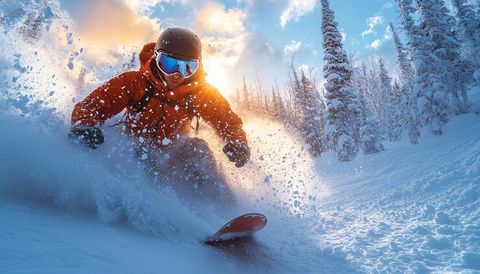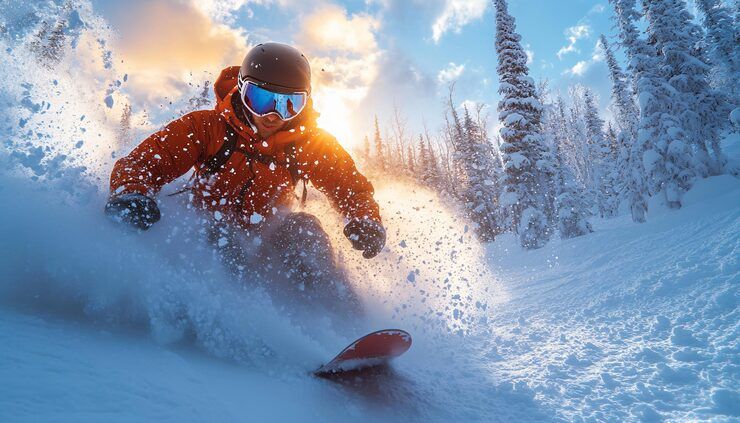
Winter snowboarding holidays combine mountain travel, outdoor recreation, and snowboarding on snow-covered slopes. These holidays generally take place during the winter season, when mountain destinations have suitable snow conditions and operating ski areas. Travelers may visit alpine resorts, mountain villages, or designated snowboarding parks to experience different terrains and winter activities.
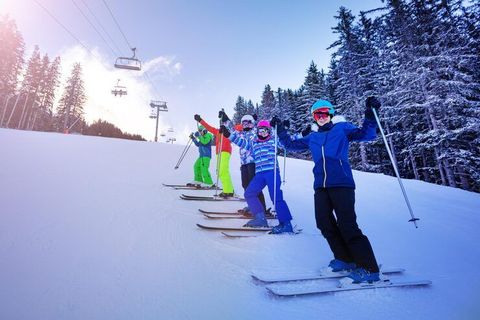
Snowboarding involves riding a specially designed board across snow while controlling speed, direction, and balance. Beginners often start on gentle slopes before progressing to steeper runs and more challenging terrain. Experienced snowboarders may explore groomed trails, terrain parks, or designated off-piste areas where permitted.
What Makes a Snowboarding Destination Suitable?
The quality of a winter snowboarding holiday depends on several factors, including snowfall, temperature, terrain, transport access, and available facilities. Some destinations receive reliable natural snowfall, while others use snowmaking systems when temperatures and water availability permit.
Important destination characteristics include:
Snow conditions: Snow depth, surface quality, and temperature influence riding conditions.
Terrain variety: Beginner slopes, intermediate runs, and advanced trails support different ability levels.
Mountain elevation: Higher elevations may maintain suitable snow conditions for longer periods, although weather patterns vary.
Lift infrastructure: Chairlifts, gondolas, and surface lifts help riders reach different parts of a mountain.
Accommodation and transport: Nearby lodging, public transport, and road access affect travel planning.
Safety facilities: Patrol teams, marked trails, first-aid facilities, and weather updates support safer mountain activities.
Popular Regions for Winter Snowboarding
Several mountain regions are known for winter sports. The Alps span countries including France, Switzerland, Austria, and Italy. North America has established snowboarding areas in the United States and Canada, while Japan is recognized for snowy mountain regions such as Hokkaido and Nagano.
The best destination depends on the traveler's experience, preferred terrain, seasonal timing, and tolerance for changing weather. Local snowfall patterns and operating dates should always be checked before departure.
Planning a Winter Snowboarding Holiday
Planning a snowboarding holiday involves selecting a destination, understanding local weather, preparing suitable equipment, and checking mountain conditions. Travelers should consider their riding ability, preferred terrain, travel dates, and the amount of time available for the trip.
Choosing the Right Destination
Different destinations suit different types of snowboarders. Beginners generally benefit from resorts with wide, gentle slopes and dedicated learning areas. Intermediate riders may prefer varied trails, while experienced snowboarders often look for steeper terrain and designated freeride zones.
Destination | Notable region | Main characteristics |
|---|---|---|
France | French Alps | Extensive mountain terrain and varied slopes |
Switzerland | Swiss Alps | High-elevation resorts and alpine scenery |
Austria | Tyrol and Salzburg | Established winter sports infrastructure |
Japan | Hokkaido and Nagano | Regional snowfall patterns and diverse terrain |
Canada | British Columbia and Alberta | Mountain resorts and extensive winter landscapes |
United States | Colorado and Utah | Varied elevations and terrain options |
These characteristics are general descriptions, not guarantees of current snow conditions. Travelers should check resort opening dates, snow reports, and weather forecasts before finalizing their plans.
Equipment and Clothing Essentials
Appropriate equipment supports comfort, control, and safety in cold environments.
A properly fitted snowboard and compatible bindings.
Snowboarding boots suited to the rider's experience and foot shape.
A certified snow sports helmet.
Waterproof outerwear and insulating layers.
Snowboarding goggles with suitable visibility protection.
Waterproof gloves, warm socks, and sun protection.
Wrist guards and other protective equipment appropriate to the rider.
Equipment should be checked before each session. Beginners may benefit from lessons with qualified instructors to develop balance, stopping techniques, and safe slope awareness.
Tools and Resources for Winter Travel
Weather information and mountain safety resources help travelers make informed decisions throughout a winter holiday.
Useful Planning Tools
Snow reports: Show recent snowfall, snow depth, and reported surface conditions.
Mountain weather forecasts: Provide temperature, wind speed, visibility, and precipitation forecasts.
Avalanche forecasts: Help assess hazards in backcountry and off-piste terrain.
Resort trail maps: Identify slope difficulty, lift locations, and restricted areas.
Travel planning applications: Help organize transport, accommodation, travel documents, and daily schedules.
Navigation and emergency tools: Support route planning and communication where coverage is available.
Weather forecasts and avalanche assessments can change quickly. Riders should follow local mountain guidance and avoid entering closed or restricted terrain.
Frequently Asked Questions
When is the best time for a winter snowboarding holiday?
The best period depends on the destination, elevation, and seasonal weather. Many Northern Hemisphere resorts operate between December and April, although some open earlier or remain open later. Checking current snow reports is more reliable than relying only on calendar dates.
Are winter snowboarding holidays suitable for beginners?
Yes. Many resorts have beginner areas, qualified instructors, and clearly graded trails. Beginners should start on gentle slopes, learn basic stopping and turning techniques, and progress gradually as their skills improve.
How can travelers assess snow conditions before departure?
Travelers can review official resort snow reports, local weather forecasts, recent snowfall measurements, lift operating information, and avalanche bulletins where relevant. Conditions can differ considerably between lower and higher elevations.
What safety precautions should snowboarders follow?
Snowboarders should wear appropriate protective equipment, follow marked trails, respect warning signs, and maintain control around other mountain users. They should also check weather conditions, stay hydrated, and understand the resort's emergency procedures.
How does climate change affect snowboarding destinations?
Rising temperatures can make snowfall less predictable, shorten snow seasons at some elevations, and increase the frequency of rain during winter. Some resorts use snowmaking and improved snow management, but these methods depend on suitable temperatures, water availability, and local environmental conditions.
Conclusion
Winter snowboarding holidays offer opportunities to explore mountain landscapes, develop outdoor skills, and experience winter sports across different regions. A successful trip depends on selecting a suitable destination, understanding seasonal snow conditions, preparing appropriate equipment, and following local safety guidance.
Climate variability, changing snowfall patterns, and mountain regulations make advance planning increasingly important. By using reliable weather information, checking resort updates, and choosing terrain appropriate to their abilities, travelers can make better-informed decisions and enjoy a safer winter experience.