Replacing multiple missing or severely damaged teeth involves more than selecting implants and placing them in the jaw. Full mouth dental implants require coordinated planning that considers bone anatomy, gum health, bite relationships, existing teeth, overall oral health, and the final restoration.
Treatment planning has become increasingly technology-assisted, with digital scans, three-dimensional imaging, virtual planning, and computer-aided workflows helping clinicians evaluate anatomy before treatment begins. However, technology supports clinical judgment rather than replacing a comprehensive dental examination.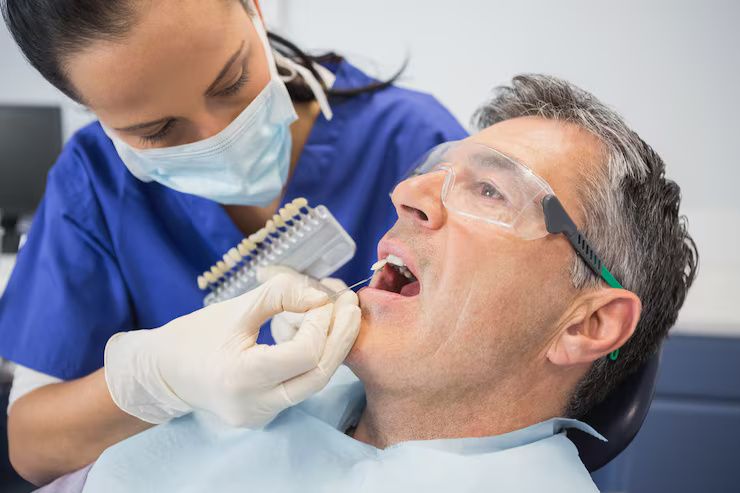
Understanding how full mouth dental implants are planned can make the process easier to follow. The key areas include the initial assessment, imaging, implant positioning, restoration design, preparation procedures, surgical stages, and long-term maintenance.
Why Treatment Planning Matters for Full Mouth Implants
Full mouth rehabilitation is more complex than replacing a single missing tooth because multiple implants must work together with the eventual prosthetic teeth. The position of each implant can influence the stability, appearance, function, and maintenance requirements of the final restoration.
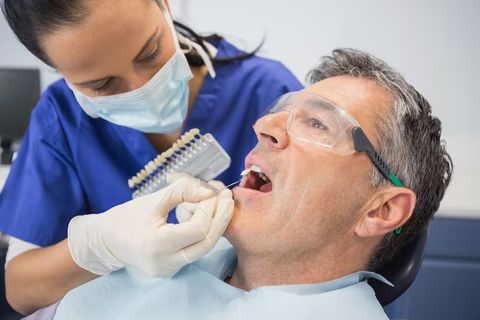
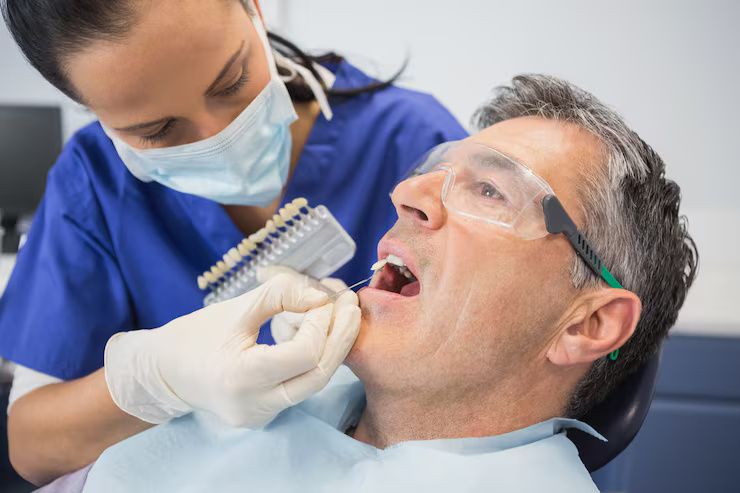
A comprehensive evaluation normally begins with an examination of the teeth, gums, jaw structures, bite, and medical and dental history. The clinician also considers whether any existing teeth can be preserved before recommending extraction and implant replacement. The American Dental Association emphasizes comprehensive examination and discussion of reasonable treatment alternatives before implant treatment is selected.
The planning stage therefore establishes more than where implants might be placed. It creates a treatment sequence that connects the patient's current oral condition with the intended final restoration.
Assessing Oral and General Health Before Treatment
Before implant placement, clinicians need to understand the condition of the tissues supporting the future implants. Periodontal disease, active infection, inadequate bone volume, and other oral conditions may affect how treatment is planned.
Existing teeth also require careful assessment. Some may be maintainable, while others may have a poor long-term prognosis. Removing teeth that could otherwise be preserved is not automatically appropriate, so treatment decisions should be based on diagnosis rather than a predetermined implant strategy.
General health can also influence treatment planning. Medical history, medications, tobacco exposure, healing considerations, and other relevant factors may need to be discussed with the dental team. These details help clinicians identify potential risks and determine whether additional preparation is appropriate.
The Role of 3D Imaging in Implant Planning
Three-dimensional imaging is an important component of many complex implant cases. Cone-beam computed tomography, commonly called CBCT, can provide information about jawbone dimensions and the location of important anatomical structures.
Research has evaluated CBCT measurement accuracy for implant planning, including assessment of bone height, bone width, and relationships with nearby anatomical structures.
The purpose is not simply to produce a three-dimensional image. The information can help the clinical team evaluate available bone, identify anatomical limitations, and determine whether additional procedures may need to be considered.
CBCT does involve radiation exposure, so imaging should be selected according to the patient's diagnostic requirements. Evidence supports the use of appropriate imaging protocols rather than automatically applying the highest available radiation dose.
Planning Implant Position Around the Final Restoration
A major principle of modern implant treatment planning is to consider the intended prosthetic result before finalizing implant positions.
The clinician needs to understand where the replacement teeth should ideally sit, how they will contact opposing teeth, and how the restoration will be supported. Implant positions can then be planned in relation to these requirements and the available anatomy.
This approach is particularly relevant in full mouth treatment because several implants may need to function as a coordinated system. The spacing, angulation, depth, and distribution of implants can affect the design and function of the final prosthesis.
Digital workflows can combine imaging information with virtual models to support this process. Reviews of 3D imaging and virtual patient technologies have found growing applications in implant planning and surgical placement, although clinical outcomes still depend on appropriate professional assessment and execution.
Bone Conditions and Additional Preparation
Adequate bone is an important consideration when planning dental implants. Long-standing tooth loss can be associated with changes in the supporting jawbone, potentially affecting the available dimensions for implant placement.
When bone volume or anatomy presents limitations, the treatment plan may need to include additional procedures. Depending on the location and clinical circumstances, these can involve bone augmentation or other preparatory approaches.
The need for such procedures cannot be determined accurately from general information alone. Imaging and clinical examination are required to evaluate the specific anatomy and determine an appropriate sequence.
Planning the sequence is particularly important when multiple areas of the mouth require treatment. Some patients may need preparatory treatment before implant placement, while others may have anatomy that permits a more direct approach.
Choosing the Prosthetic Approach
Full mouth dental implants do not necessarily mean replacing every individual tooth with a separate implant. In many full-arch approaches, several strategically positioned implants can support a fixed or removable prosthesis.
The appropriate design depends on factors such as jaw anatomy, remaining bone, functional requirements, oral hygiene ability, aesthetic considerations, and the patient's clinical circumstances.
The prosthetic design should therefore be considered early rather than treated as an entirely separate stage. Implant placement and restoration planning need to work together so the final teeth have appropriate support and function.
Digital Planning and Emerging Technologies
Digital dentistry has expanded the tools available for implant treatment planning. Intraoral scanning, CAD/CAM workflows, three-dimensional imaging, virtual implant positioning, and digitally designed surgical guides can contribute to a more integrated planning process.
Artificial intelligence is also being investigated for applications such as identifying anatomical structures and evaluating bone dimensions from dental imaging. Recent systematic reviews describe potential benefits, but also emphasize limitations involving validation, standardization, and clinical implementation.
These technologies should therefore be viewed as planning aids. They can provide additional information and improve workflow efficiency, but diagnosis and treatment decisions remain clinical responsibilities.
What Patients Should Discuss During Planning
A detailed consultation is an important part of full mouth implant treatment. Patients should understand the proposed sequence, expected restoration, alternatives, potential limitations, and ongoing maintenance requirements.
Useful questions may include:
- Which teeth can reasonably be preserved?
- What imaging is needed and why?
- Is additional bone preparation necessary?
- What type of prosthesis is being considered?
- How will the bite and final tooth position be planned?
- What stages are expected before the definitive restoration?
- What maintenance will be required afterward?
The ADA's guidance on patient autonomy emphasizes meaningful involvement in treatment decisions and discussion of reasonable alternatives.
Long-Term Planning Does Not End With Implant Placement
Successful implant treatment involves more than completing surgery and receiving the final prosthesis. Long-term care includes professional monitoring, appropriate oral hygiene, and attention to the condition of both the implants and surrounding tissues.
The final restoration also needs to be maintained appropriately. Regular evaluations can help identify changes before they become more significant and allow the dental team to assess the condition of the supporting tissues and prosthetic components.
For full mouth rehabilitation, maintenance is especially relevant because several implants and a larger restoration may be functioning together.
Conclusion
Full mouth dental implants require a coordinated treatment plan that connects diagnosis, imaging, anatomy, implant positioning, prosthetic design, and long-term maintenance. A comprehensive assessment helps clinicians determine which teeth may be preserved, where implants can be appropriately positioned, and whether additional preparation is needed.
Modern digital tools can provide valuable information during this process, particularly through three-dimensional imaging and virtual planning. However, these technologies work alongside clinical expertise rather than replacing it. A carefully developed plan should ultimately reflect the individual's oral condition, functional needs, available anatomy, treatment alternatives, and long-term maintenance requirements.