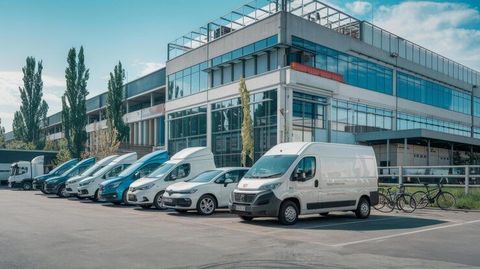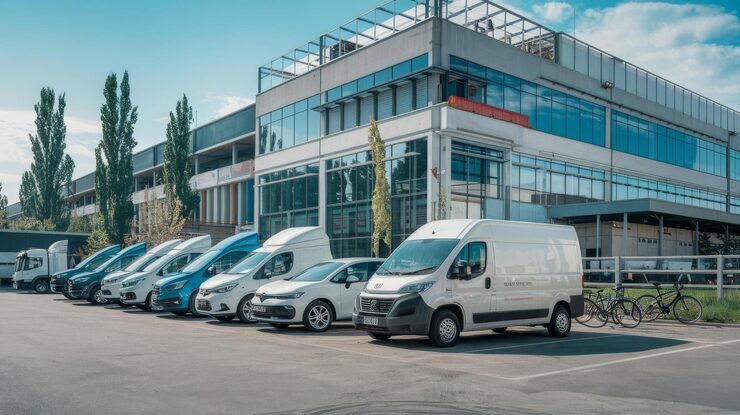
Starting a commercial vehicle rental business involves providing vehicles to companies, contractors, logistics operators, and other customers for temporary or longer-term use. Depending on the business model, the fleet may include cargo vans, pickup trucks, light commercial vehicles, refrigerated vehicles, box trucks, or heavy-duty trucks.
Businesses often need vehicles for deliveries, construction projects, seasonal transportation, equipment movement, and distribution. Maintaining a dedicated fleet can require substantial capital and ongoing management, so some organizations prefer to use vehicles for specific periods rather than maintain every vehicle themselves.
A commercial vehicle rental business addresses this need by coordinating vehicle availability, customer agreements, maintenance, insurance, and fleet utilization. Success depends on understanding local demand, controlling operating expenses, complying with transport regulations, and managing vehicle risks responsibly.
Understanding the Commercial Vehicle Rental Market
The commercial fleet market includes several customer groups with different requirements.
Logistics companies: Need vans and trucks for deliveries and distribution.
Construction businesses: May require pickup trucks, utility vehicles, and heavier vehicles.
Manufacturers and wholesalers: Use commercial vehicles to transport goods between facilities.
Retailers: May require additional delivery capacity during busy periods.
Small businesses: Often need vehicles for occasional transportation or project work.
Specialized operators: May require refrigerated trucks or vehicles equipped for specific materials.
A business should identify which customer group it intends to serve before determining fleet size and vehicle specifications.
Choosing a Business Model
There are several ways to structure a commercial vehicle rental operation.
Short-term rentals involve providing vehicles for hours, days, or weeks. This model requires efficient booking, vehicle inspection, customer communication, and frequent fleet turnover.
Long-term rentals involve agreements lasting several months or longer. These arrangements can provide greater visibility into vehicle utilization, although contract management and maintenance responsibilities remain important.
Specialized fleet rentals focus on vehicles such as refrigerated vans, box trucks, or construction-oriented vehicles. These fleets may require additional equipment, technical maintenance, and specialist insurance.
Fleet leasing arrangements generally involve longer contractual periods and can differ from conventional short-term rentals in ownership, maintenance responsibilities, mileage limits, and termination conditions.
Building a Business Plan and Financial Forecast
A written business plan helps establish the company's target market, fleet requirements, operating model, and financial expectations. It should explain how the business will acquire vehicles, attract customers, manage utilization, and handle unexpected expenses.
Important planning areas include:
Initial capital and financing requirements
Vehicle acquisition and depreciation
Insurance premiums and registration
Maintenance, tires, and repairs
Parking, storage, and fleet administration
Customer acquisition and marketing
Expected rental revenue and vehicle utilization
Emergency reserves and replacement planning
Financial projections should include conservative, expected, and higher-utilization scenarios. A fleet that appears financially viable at nearly full utilization may perform poorly when vehicles remain unused for extended periods.
Selecting and Financing Commercial Vehicles
Vehicle selection should reflect customer requirements rather than fleet size alone. A delivery business may need compact cargo vans, while construction customers may require heavier payload capacity, towing capability, or specialized equipment.
Before adding vehicles, assess:
Payload and towing limits
Fuel economy or electric range
Purchase or lease financing terms
Maintenance requirements
Availability of replacement parts
Insurance eligibility
Expected resale value
Emissions requirements and local access restrictions
Fleet financing may involve commercial vehicle loans, equipment financing, leasing, or direct acquisition using business capital. Each arrangement has different implications for monthly payments, ownership, depreciation, mileage limits, and vehicle replacement.
A financial forecast should compare the full expected operating expenses of each vehicle type over its intended period of use rather than comparing acquisition prices alone.
Setting Rental Rates and Managing Utilization
Rental rates should reflect vehicle type, rental duration, mileage allowances, maintenance requirements, insurance arrangements, and local market conditions.
Businesses can review publicly available competitor rates and customer requirements to estimate appropriate pricing. However, rates should be based on actual operating expenses and realistic demand rather than assumptions about competitors' profitability.
The following indicators can help evaluate performance.
Metric | What It Measures |
|---|---|
Fleet utilization | Percentage of available vehicle-days rented |
Revenue per vehicle-day | Rental revenue relative to available vehicle-days |
Maintenance expense per kilometre | Maintenance spending relative to distance travelled |
Downtime | Time a vehicle is unavailable for rental |
Late-return frequency | How often vehicles return after the agreed time |
Customer retention | Proportion of customers who rent again |
For example, if a fleet has 10 vehicles available for 30 days each, it has 300 available vehicle-days. If vehicles are rented for 210 of those days, utilization is 70%.
This measurement helps identify whether the business needs additional vehicles, improved scheduling, more maintenance capacity, or a different customer mix.
Recent Developments and Industry Trends
Commercial vehicle rental businesses are increasingly using digital fleet management, vehicle tracking, and predictive maintenance to improve day-to-day operations.
Fleet Technology in 2026
A February 26, 2026, industry report from Geotab examined commercial transportation trends using data from more than 5.8 million vehicle subscriptions. The report highlighted the growing role of connected vehicle data in fleet management and operational decision-making.
Relevant technologies include:
GPS tracking and vehicle location monitoring
Digital booking and fleet scheduling
Automated maintenance reminders
Fuel and energy consumption monitoring
Electronic vehicle inspection records
Driver behavior analysis
These tools can help operators identify underused vehicles, monitor maintenance requirements, and maintain accurate records.
Electric Commercial Vehicles
Electric vans and trucks are becoming another consideration for fleet planning. In India, the government continued expanding its PM E-DRIVE program during 2025, including provisions relating to electric trucks.
Electric vehicles may be suitable for predictable urban routes with access to charging infrastructure. Longer routes, heavy payloads, and limited charging access can create different operational requirements.
A rental operator should evaluate vehicle range, battery warranty, charging availability, payload capacity, and expected utilization before introducing electric vehicles into the fleet.
Laws, Licenses, and Insurance Requirements
The legal requirements for a commercial vehicle rental business depend on the country, vehicle category, rental arrangement, and whether vehicles are supplied with drivers.
Business Registration and Vehicle Permits
Before operating, establish the appropriate business structure and confirm local registration requirements. Depending on the jurisdiction, additional permits may apply to commercial vehicles, passenger transportation, interstate operations, or specialized vehicle categories.
In India, operators should review applicable provisions of the Motor Vehicles Act, 1988, the Central Motor Vehicles Rules, and relevant state transport department requirements. Vehicle registration, fitness certification, permits, and the appropriate driving licence category may be required depending on the vehicle and its use.
Insurance and Rental Agreements
Commercial motor insurance should reflect the actual rental arrangement. Ordinary private-use insurance may not cover commercial rental activity.
Written rental agreements should explain:
Authorized drivers and permitted uses
Rental duration and mileage limits
Payment terms and security arrangements
Insurance coverage and deductibles
Accident reporting procedures
Vehicle return conditions
Responsibility for damage and traffic penalties
Late returns and contract termination
A qualified legal or insurance professional can help confirm that agreements meet applicable local requirements.
Tax and Financial Records
Rental income, vehicle depreciation, financing expenses, and operating expenses may receive different tax treatment depending on the jurisdiction.
In India, businesses should review applicable Goods and Services Tax requirements and income-tax provisions. Section 44AE of the Income-tax Act, 1961, addresses presumptive taxation for certain businesses operating, hiring, or leasing goods carriages, subject to eligibility conditions.
Tools and Resources for Business Planning
Useful resources include:
Fleet management software: Tracks vehicle availability, mileage, maintenance, and utilization.
Accounting software: Records income, financing payments, taxes, and operating expenses.
Financial forecasting spreadsheets: Model fleet acquisition, utilization, cash flow, and vehicle replacement.
GPS tracking systems: Monitor vehicle location and trip information.
Government transport portals: Provide information about registration, permits, fitness certification, and compliance.
Insurance policy documents: Clarify coverage, exclusions, deductibles, and claims procedures.
A monthly financial dashboard can track fleet utilization, revenue per vehicle-day, maintenance expenses, overdue payments, and vehicle downtime.
Frequently Asked Questions
How much capital is needed to start a commercial vehicle rental business?
The required capital depends on fleet size, vehicle type, financing terms, insurance, registration, parking, and working capital. Preparing a detailed financial forecast is more useful than relying on a single general estimate.
Which vehicles are suitable for a new rental business?
Cargo vans and light commercial vehicles may suit local delivery customers, while box trucks, refrigerated vehicles, and heavy trucks address more specialized requirements. The choice should reflect documented local demand.
Is commercial vehicle insurance necessary?
Appropriate insurance is generally essential, and specific legal requirements vary by jurisdiction and vehicle category. Coverage should explicitly account for commercial rental use and the intended drivers.
How can fleet utilization be improved?
Operators can analyze booking patterns, reduce unnecessary downtime, schedule preventive maintenance, and focus on customer groups with predictable vehicle requirements.
Is an electric commercial fleet suitable for a rental business?
It can be suitable when vehicle range, charging access, payload, route length, and operating schedules align with customer needs. A mixed fleet may be more practical where operating conditions vary considerably.
Conclusion
Starting a commercial vehicle rental business requires careful planning across fleet selection, financing, customer demand, insurance, maintenance, and regulatory compliance. A clear business plan and realistic financial projections can help establish whether a proposed fleet is suitable for its intended market.
Recent developments in connected vehicle technology and electric commercial transportation are creating additional options for fleet operators. However, technology should be selected according to operational requirements rather than assumed benefits.
A well-managed business combines appropriate vehicles, written rental agreements, reliable maintenance records, effective fleet tracking, and compliance with applicable transport and tax regulations. Regular reviews of utilization, cash flow, and customer requirements can support informed decisions as the business develops.