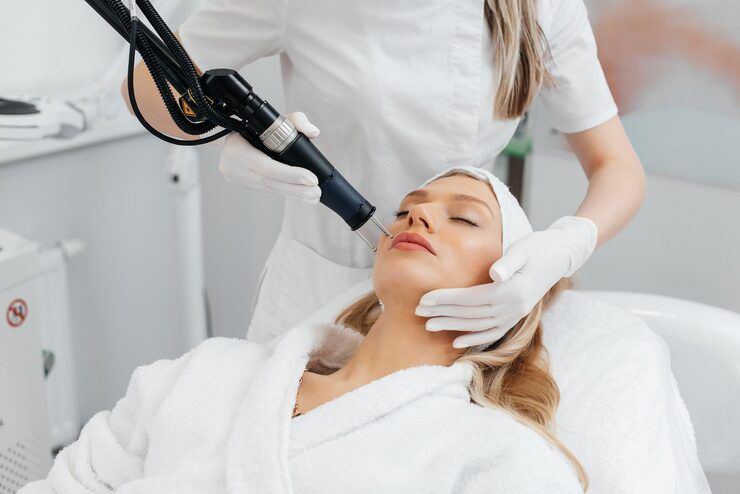
Laser skin resurfacing is a dermatological procedure that uses concentrated beams of light to remove or heat selected layers of skin. Depending on the technology and treatment settings, the procedure can encourage skin renewal, stimulate collagen production, and improve the appearance of certain scars, wrinkles, uneven pigmentation, and sun-related skin changes.
Different laser systems work in different ways. Some remove thin layers of skin, while others create controlled areas of thermal injury that stimulate the body's natural healing response. The appropriate approach depends on the skin concern, skin type, medical history, treatment area, and expected recovery period.
Laser skin resurfacing is used in dermatology and aesthetic medicine, but it is not suitable for every person or every skin condition. Understanding the available technologies, possible benefits, limitations, and safety considerations helps people make informed decisions with a qualified medical professional.
Understanding Laser Skin Resurfacing Technology
Laser systems produce light at specific wavelengths. The light interacts with skin components, including water and pigment, depending on the laser's design and settings.
In resurfacing procedures, this interaction can remove damaged surface tissue, heat deeper layers, or create microscopic treatment zones. The resulting healing process may improve skin texture and stimulate collagen remodeling over time.
Two broad categories are commonly used: ablative and non-ablative lasers.
Ablative lasers remove controlled amounts of skin tissue. They can produce more substantial changes in selected skin concerns but generally involve greater downtime and a higher risk of complications.
Non-ablative lasers heat targeted tissue without removing the entire treated surface. They often involve a shorter recovery period, although results may be more gradual and multiple sessions may be necessary.
Fractional technology is another important distinction. Fractional lasers treat microscopic columns or zones of tissue while leaving surrounding areas untreated. This can support healing while still delivering targeted treatment.
Common Types of Laser Treatments
Fractional CO2 laser: An ablative technology commonly used for selected wrinkles, acne scars, and textural irregularities.
Erbium laser: An ablative laser used for controlled resurfacing of selected skin concerns.
Non-ablative fractional laser: Creates controlled heating zones to stimulate skin remodeling without removing the entire surface.
Pulsed-dye laser: Primarily targets blood vessels and certain redness-related conditions rather than conventional full-surface resurfacing.
Picosecond laser: Uses very short pulses and is mainly associated with selected pigment and tattoo treatments, although some systems have fractional applications.
These technologies are not interchangeable. A laser appropriate for pigmentation or vascular redness may not be the best option for deep scars or extensive surface damage.
Why Laser Skin Resurfacing Matters
Laser skin resurfacing is relevant to people seeking information about skin texture, acne-related scarring, fine lines, sun damage, and certain pigmentation concerns. It is also an important area of dermatological research because laser settings and treatment methods can be adjusted to address different skin characteristics.
Potential Applications
Depending on the device and clinical assessment, laser resurfacing may help improve:
Selected acne scars
Fine lines and wrinkles
Uneven skin texture
Certain sun-related skin changes
Selected superficial pigmentation irregularities
Some benign textural irregularities
Results vary according to the condition being treated, the laser technology, skin characteristics, and the individual's healing response. Laser treatment does not stop natural aging or guarantee complete removal of scars or pigmentation.
Factors That Influence Treatment Selection
A qualified clinician considers several factors before recommending a procedure:
Skin tone and tendency toward pigmentation changes
Type and depth of scarring
History of cold sores or other relevant skin conditions
Current medications and medical history
Previous cosmetic procedures
Risk of prolonged redness or abnormal scarring
Ability to follow aftercare instructions
People with darker skin tones may have a greater risk of post-inflammatory hyperpigmentation with certain laser settings. This does not mean all laser treatments are unsuitable, but careful device selection and individualized settings are important.
Recent Developments in Laser Dermatology
Laser dermatology continues to develop through improvements in fractional treatment, device control, skin assessment, and personalized treatment planning.
Fractional Laser Technology
Fractional approaches remain an important part of modern skin resurfacing. By treating microscopic areas rather than removing the entire skin surface, these systems aim to balance treatment effects with recovery requirements.
The exact recovery period depends on whether the laser is ablative or non-ablative, the treatment intensity, and the area being treated.
Personalized Treatment Planning
During 2025 and 2026, clinical discussions in aesthetic dermatology continued to emphasize individualized treatment selection, particularly for people with different skin tones and pigmentation risks.
Clinicians may combine visual assessment, medical history, standardized photographs, and evaluation of the skin concern when developing a treatment plan. Digital imaging can assist documentation, but it does not replace a medical examination.
Research Into Safety and Outcomes
Research continues to examine how laser wavelength, pulse duration, energy settings, and fractional density influence treatment outcomes and complications.
The practical objective is to match treatment intensity to the clinical concern while limiting unnecessary tissue injury. Newer equipment does not eliminate risks, and evidence for a particular device or technique should be evaluated separately rather than assuming all laser technologies perform equally.
Laws, Regulations, and Medical Safety Policies
Laser skin resurfacing is subject to medical-device regulation and professional-practice requirements that vary by country.
Medical Device Regulation in the United States
The US Food and Drug Administration regulates medical devices, including many laser systems used in dermatology and aesthetic medicine. The regulatory status and authorized uses depend on the specific device and its intended purpose.
Patients and clinicians should verify the device's regulatory status and review its instructions, warnings, and limitations. Authorization for one indication does not automatically establish safety or effectiveness for every other use.
Professional Qualifications
Rules governing who may operate medical lasers differ among states and countries. Depending on the jurisdiction, treatment may require a licensed physician or another appropriately qualified healthcare professional working within an authorized scope of practice.
Patients should verify the practitioner's qualifications, training with the particular laser, and experience treating similar skin concerns.
Infection Prevention and Patient Consent
Appropriate clinical procedures include medical-history review, discussion of alternatives, informed consent, eye protection, equipment maintenance, and infection-control measures.
Potential complications include redness, swelling, infection, burns, scarring, changes in pigmentation, and cold-sore reactivation in susceptible individuals. Ablative procedures generally involve more recovery and may carry greater risks than less intensive treatments.
Tools and Resources for Treatment Planning
Reliable medical information can help people understand laser skin resurfacing and prepare questions for a consultation.
Medical and Regulatory Resources
US Food and Drug Administration: Information about medical-device regulation, safety communications, and device-specific indications.
American Academy of Dermatology: Educational material about laser treatments, skin conditions, and dermatologist qualifications.
Clinical assessment records: Documentation of medical history, skin concerns, medications, and previous procedures.
Treatment aftercare instructions: Written guidance covering cleansing, moisturizing, sun protection, and follow-up appointments.
Treatment Comparison Table
| Factor | Ablative Laser | Non-Ablative Laser |
|---|---|---|
| Main approach | Removes controlled skin layers | Heats targeted tissue |
| Typical recovery | Longer | Often shorter |
| Treatment intensity | Generally higher | Generally lower |
| Number of sessions | May require fewer sessions | May require multiple sessions |
| Main considerations | Greater downtime and complication risk | More gradual improvement may be necessary |
These are general comparisons. Actual outcomes depend on the particular device, treatment settings, and individual circumstances.
Questions to Discuss With a Clinician
Before treatment, consider asking:
Which laser technology is appropriate for the specific skin concern?
What improvement is realistically achievable?
What are the risks for the individual's skin tone?
How long might redness, swelling, or peeling last?
What aftercare and sun protection are required?
What alternatives are available?
Frequently Asked Questions
What is laser skin resurfacing used for?
It is used to improve selected skin concerns, including acne scars, fine lines, uneven texture, and certain sun-related changes. The suitability and expected results depend on the diagnosis and treatment method.
How long does recovery take?
Recovery varies substantially. Non-ablative treatments may cause temporary redness and swelling, while ablative procedures can require more extensive wound care and a longer healing period. The clinician should explain the expected recovery before treatment.
Is laser skin resurfacing safe for darker skin tones?
Some laser treatments can be used on darker skin tones, but the risk of pigmentation changes varies by device, wavelength, settings, and skin characteristics. Individual assessment by an experienced clinician is important.
Can laser resurfacing remove acne scars completely?
Laser treatment may improve the appearance of selected acne scars, but complete removal cannot be guaranteed. Deep or different types of scars may require alternative or combined approaches.
What precautions are important after treatment?
Aftercare may include gentle cleansing, appropriate moisturization, avoiding picking or rubbing the treated skin, and protecting the area from sunlight. Specific instructions depend on the procedure. Increasing pain, spreading redness, fever, or other concerning symptoms should prompt medical assessment.
Conclusion
Laser skin resurfacing is an established area of dermatology that uses different light-based technologies to address selected skin texture concerns, scars, fine lines, and sun-related changes. Ablative, non-ablative, and fractional approaches differ in how they affect tissue, their recovery requirements, and their potential risks.
Developments in laser technology and individualized treatment planning continue to shape the field, but outcomes depend on appropriate patient selection, device characteristics, clinical expertise, and aftercare.
Understanding medical-device regulations, practitioner qualifications, potential complications, and realistic treatment expectations is essential. Consulting a qualified medical professional can help determine whether laser resurfacing or another approach is appropriate for a particular skin concern.