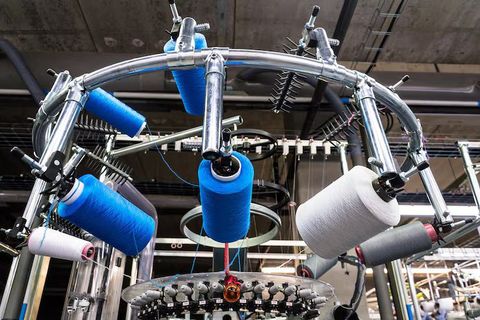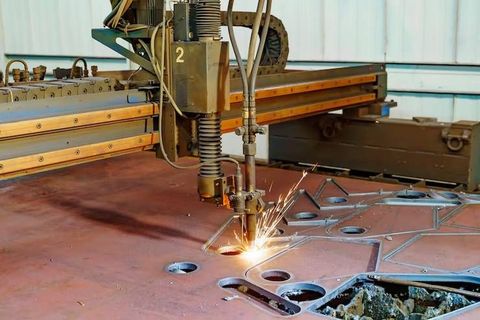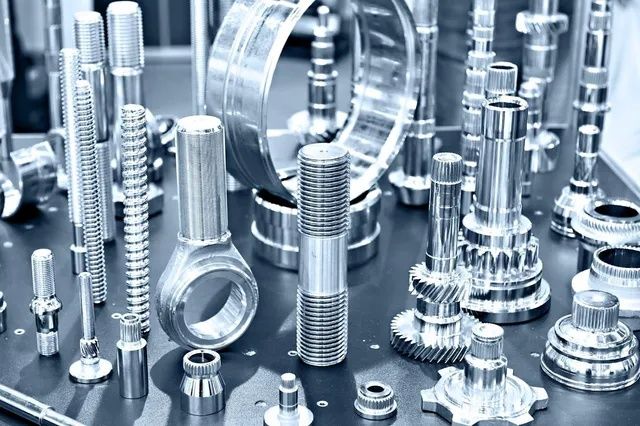
Mechanical components are the individual parts that work together to form machines and mechanical systems. These components are designed to transmit motion, control forces, and perform specific tasks within a system. From simple tools to complex industrial equipment, mechanical components play a central role in how machines operate.
The concept of machine components developed alongside early engineering practices, where basic machine elements such as levers, gears, and pulleys were used to simplify human effort. Over time, these elements evolved into more advanced mechanical systems components used in modern industries.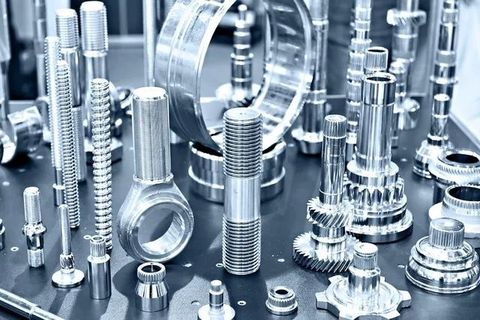
Understanding mechanical components, including their types and functions, helps explain how everyday machines work. Whether in household devices or large-scale industrial equipment, these parts form the foundation of mechanical operation.
Importance
Mechanical components are important because they enable machines to function efficiently and reliably. Without properly designed machine components, it would be difficult to control motion, transfer energy, or perform tasks with precision.
These components affect a wide range of users. Engineers design systems using mechanical parts in machines, technicians maintain them, and everyday users depend on machines for daily activities. From transportation to manufacturing, mechanical systems components are essential in many areas.
The importance of mechanical components can be understood through several key roles. Motion control allows machines to move in a controlled way, force transmission ensures energy is transferred effectively, and system stability helps maintain safe operation. These functions highlight why engineering components are fundamental in both simple and complex machines.
Types of Mechanical Components
There are many types of mechanical components, each designed for a specific purpose within a machine.
Gears
Gears are used to transmit motion and change speed or direction. They are commonly found in engines, gearboxes, and machinery.
Bearings
Bearings reduce friction between moving parts. They support smooth rotation and are widely used in rotating equipment.
Shafts
Shafts transmit power from one part of a machine to another. They are often connected to gears, pulleys, or motors.
Fasteners
Fasteners such as bolts, nuts, and screws hold components together. They ensure structural integrity and stability.
Springs
Springs store and release energy. They are used in systems that require flexibility and shock absorption.
Pulleys and Belts
These components help transfer motion between parts over a distance. They are commonly used in conveyor systems and engines.
Functions of Mechanical Components
The functions of mechanical components are focused on enabling machines to perform tasks efficiently.
Motion Transmission
Mechanical components such as gears and belts transfer motion from one part of a machine to another.
Force Management
Components help manage forces by distributing loads and reducing stress on individual parts.
Energy Conversion
Some mechanical systems components convert one form of energy into another, enabling machines to operate effectively.
Structural Support
Fasteners and frames provide stability, ensuring that all parts remain properly aligned during operation.
Mechanical Parts in Machines
Mechanical parts in machines work together as a system rather than as isolated elements. Each component contributes to overall performance.
For example, in a simple machine, gears may control speed, bearings reduce friction, and shafts transfer power. In more complex systems, multiple engineering components interact to perform coordinated tasks.
This integration of machine parts and functions is what allows modern machines to operate with efficiency and precision.
Comparison of Common Mechanical Components
| Component Type | Primary Function | Example Use | Key Benefit |
|---|---|---|---|
| Gears | Motion transfer | Gear systems | Speed control |
| Bearings | Friction reduction | Rotating shafts | Smooth movement |
| Shafts | Power transmission | Motors and engines | Energy transfer |
| Fasteners | Structural connection | Assembly systems | Stability |
| Springs | Energy storage | Suspension systems | Flexibility |
| Pulleys & Belts | Motion transfer | Conveyor systems | Distance transmission |
Recent Updates
Recent developments in mechanical components focus on improving efficiency, durability, and integration with modern technology. Many industrial mechanical components are now designed using advanced materials that enhance strength while reducing weight.
Automation is also influencing how mechanical systems components are used. Machines are increasingly integrated with sensors and digital monitoring systems, allowing better control and maintenance.
Another trend is the use of precision manufacturing techniques, which improve the accuracy of machine components and reduce wear over time. These advancements reflect the ongoing evolution of engineering components in response to modern industrial needs.
Laws or Policies
Mechanical components and systems are influenced by safety and quality regulations in many countries. These rules ensure that machines operate safely and reliably.
Safety Standards
Mechanical parts in machines must meet safety requirements related to strength, durability, and performance. These standards help reduce the risk of failure.
Quality Control Regulations
Manufacturers are often required to follow quality control processes to ensure consistency in engineering components.
Environmental Considerations
Regulations may address material usage, recycling, and energy efficiency in industrial mechanical components.
These policies help maintain reliability and safety across different applications.
Tools and Resources
Various tools and resources support the understanding and management of mechanical components.
Design Software
Engineering software helps create and test mechanical systems components before physical production.
Simulation Tools
Simulation platforms allow users to analyze motion, stress, and performance of machine components.
Maintenance Checklists
Structured checklists help track the condition of mechanical parts in machines and ensure proper upkeep.
Technical Manuals
Manuals provide detailed information about machine parts and functions, including installation and maintenance guidelines.
These resources support both learning and practical application of mechanical systems.
FAQs
What are mechanical components in machines?
Mechanical components are individual parts such as gears, bearings, and shafts that work together to form a machine and enable its operation.
What are the main types of mechanical components?
The main types of mechanical components include gears, bearings, shafts, fasteners, springs, and pulleys, each serving a specific function.
What are the functions of mechanical components?
Functions of mechanical components include motion transmission, force management, energy conversion, and structural support.
How do mechanical parts in machines work together?
Mechanical parts in machines interact as a system, where each component contributes to overall performance and efficiency.
Why are mechanical systems components important?
Mechanical systems components are important because they enable machines to operate smoothly, efficiently, and safely in various applications.
Conclusion
Mechanical components form the foundation of machines and mechanical systems. They perform essential functions such as motion transfer, force management, and structural support. Understanding the types of mechanical components and their roles helps explain how machines operate in everyday life. As technology advances, these components continue to evolve, supporting more efficient and reliable systems.