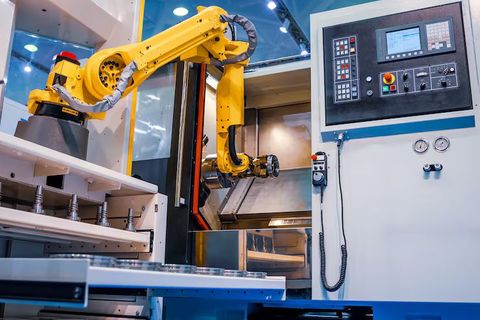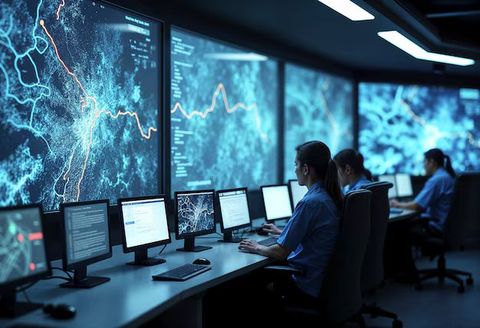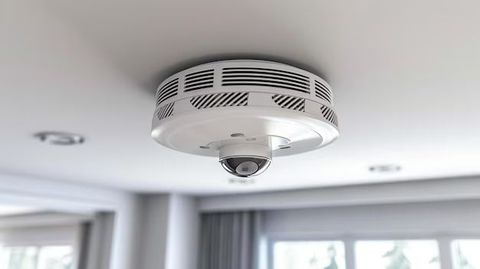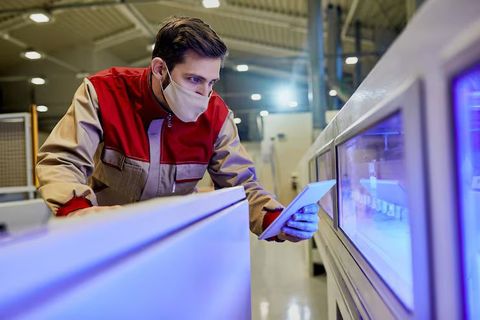
Robotic vision systems are advanced industrial technologies that combine cameras, sensors, artificial intelligence, and robotics to help machines identify, analyze, and respond to visual information. These systems allow industrial robots and automated equipment to perform tasks that require recognition, measurement, inspection, and decision-making.
Machine vision technology has become an important part of modern manufacturing and industrial automation. Traditional machines often rely on fixed programming and mechanical controls, while robotic vision systems add the ability to observe surroundings and process visual data.
From automated quality inspection to robot-guided assembly, vision systems are used across industries such as automotive manufacturing, electronics production, pharmaceuticals, food processing, logistics, and industrial equipment manufacturing. These technologies support more accurate and data-driven production environments.
Context
Understanding Robotic Vision Systems
A robotic vision system is a combination of imaging hardware, software, and robotic equipment designed to provide machines with visual awareness.
Unlike simple cameras used for monitoring, industrial vision systems analyze images and convert visual information into useful data. This allows machines to identify objects, measure components, detect defects, and guide robotic movements.
A typical robotic vision system includes:
| Component | Function |
|---|---|
| Industrial cameras | Capture images of products and environments |
| Lighting systems | Improve image quality and visibility |
| Sensors | Collect visual and environmental information |
| Processing software | Analyzes captured images |
| AI algorithms | Supports recognition and decision-making |
| Robotic controllers | Connect vision data with machine actions |
These components work together to support automated industrial processes.
How Machine Vision Technology Works
Machine vision technology follows a structured process that allows machines to interpret visual information.
The general process includes:
- Image capture through cameras and sensors
- Digital processing of visual information
- Comparison with programmed standards or models
- Identification of objects, patterns, or defects
- Communication with robotic systems
- Automated response based on analysis
The complexity of the process depends on the application, industry requirements, and system design.
Types of Industrial Vision Systems
Different industries use different types of vision systems depending on their requirements.
| Vision System Type | Application |
| 2D vision systems | Surface inspection and object recognition |
| 3D vision systems | Depth measurement and complex positioning |
| Thermal vision systems | Heat analysis and monitoring |
| Color vision systems | Product identification and sorting |
| Vision-guided robotic systems | Automated assembly and handling |
Development of Computer Vision Automation
Computer vision automation has developed significantly through improvements in computing power, sensors, and artificial intelligence.
Earlier vision systems mainly performed basic image comparison tasks. Modern systems use:
- Machine learning models
- Deep learning algorithms
- Advanced cameras
- Real-time image processing
- Connected manufacturing platforms
These developments have expanded the role of visual systems in industrial environments.
Importance
Role in Industrial Automation Systems
Industrial automation systems use technology to improve manufacturing processes, increase consistency, and support complex production activities.
Robotic vision systems contribute to automation by helping machines perform tasks such as:
- Object identification
- Component positioning
- Quality checking
- Product sorting
- Assembly guidance
These capabilities allow manufacturers to create more flexible production environments.
Importance of AI Inspection Systems
AI inspection systems use artificial intelligence to analyze images and identify patterns that may be difficult to detect through traditional methods.
Applications include:
- Detecting surface defects
- Identifying manufacturing errors
- Checking product dimensions
- Evaluating assembly quality
- Monitoring production conditions
AI-based inspection systems learn from data and improve their ability to recognize patterns over time.
Automated Quality Inspection Applications
Automated quality inspection is one of the most common uses of robotic vision technology.
Industries use these systems for:
Automotive Components: Checking vehicle parts, welds, and assemblies.
Electronics Manufacturing: Inspecting circuit boards, connectors, and small components.
Pharmaceutical Production: Monitoring packaging, labeling, and product appearance.
Food Processing: Identifying product differences and supporting sorting activities.
Industrial Equipment: Examining machine components and manufactured parts.
Supporting Manufacturing Accuracy
Manufacturing inspection technology helps organizations maintain consistent production standards.
Vision systems may monitor:
- Product dimensions
- Surface conditions
- Component placement
- Assembly accuracy
- Production variations
These systems provide additional information that supports quality management processes.
Applications of Vision-Guided Robots
Vision-guided robots use visual information to perform tasks with greater flexibility.
Applications may include:
- Robotic picking
- Assembly operations
- Material handling
- Packaging activities
- Component placement
The combination of robotics and vision technology allows machines to adapt to changing production conditions.
Recent Updates
Growth of AI-Powered Inspection Systems
Between 2024 and 2026, AI-powered inspection systems continued developing as manufacturers explored more advanced automation methods.
Recent developments include:
- Improved image recognition
- Faster data processing
- Better defect detection models
- Integration with manufacturing software
AI technologies continue expanding the capabilities of industrial inspection systems.
Expansion of Deep Learning in Machine Vision
Deep learning models are increasingly used in machine vision applications because they can analyze complex visual patterns.
Deep learning applications may support:
- Defect classification
- Object recognition
- Pattern analysis
- Quality prediction research
These systems require appropriate training data and operational monitoring.
Integration With Smart Manufacturing Technology
Smart manufacturing technology connects equipment, software, and production data to create more integrated factories.
Robotic vision systems may connect with:
- Manufacturing databases
- Production monitoring platforms
- Industrial networks
- Digital workflow systems
This integration supports improved visibility into manufacturing activities.
Development of 3D Vision Systems
Three-dimensional vision technology continues developing for applications that require depth understanding and spatial analysis.
3D vision systems may support:
- Robotic positioning
- Object measurement
- Complex assembly tasks
- Industrial scanning
Increased Use of Edge Computing
Edge computing allows visual data processing closer to where it is collected.
Benefits of edge-based vision processing may include:
- Faster response times
- Reduced data transfer requirements
- Local processing capability
- Improved system efficiency
Laws or Policies
Industrial Automation Safety Standards
Robotic vision systems operate within industrial safety frameworks that vary by country and region.
Safety considerations may include:
- Machine operation procedures
- Worker protection
- Equipment installation
- Emergency systems
- Risk assessment
Data Management and Privacy Considerations
Vision systems collect and process large amounts of visual information. Organizations must consider appropriate data management practices.
Important areas include:
- Data storage
- Access control
- System security
- Information management
Manufacturing Quality Regulations
Industries using automated inspection systems may follow quality standards related to:
- Product consistency
- Inspection procedures
- Documentation
- Manufacturing processes
Requirements depend on the specific industry and application.
Workplace Training Requirements
Personnel working with robotic vision systems may require knowledge of:
- Equipment operation
- Software configuration
- Safety procedures
- System maintenance
Training helps ensure proper use of automated technologies.
Tools and Resources
Machine Vision Software Platforms
Machine vision software helps process images and manage visual inspection tasks.
Common functions include:
- Image analysis
- Object recognition
- Measurement processing
- Inspection configuration
AI Development Tools
AI development platforms support the creation and testing of machine learning vision models.
Applications may include:
- Image classification
- Pattern recognition
- Data analysis
- Model evaluation
Industrial Camera Systems
Industrial cameras are designed for manufacturing environments where accurate image capture is required.
They may include:
- High-resolution imaging
- Specialized lighting compatibility
- High-speed capture
- Industrial durability
Simulation and Testing Platforms
Simulation tools allow engineers to test robotic vision applications digitally before physical implementation.
They may support:
- Robot movement testing
- Vision system evaluation
- Process planning
Industry Research Resources
Information about robotic vision systems can be explored through:
- Engineering organizations
- Manufacturing research institutions
- Automation technology publications
- Technical standards groups
FAQs
What are robotic vision systems?
Robotic vision systems are technologies that combine cameras, sensors, software, and robotics to help machines analyze visual information and perform automated tasks.
How does machine vision technology work?
Machine vision technology captures images, processes visual data, identifies patterns or objects, and provides information that allows machines to perform specific actions.
What are AI inspection systems used for?
AI inspection systems are used for applications such as defect detection, quality analysis, product inspection, and automated manufacturing monitoring.
Where are industrial vision systems used?
Industrial vision systems are used in industries including automotive, electronics, pharmaceuticals, food processing, logistics, and industrial manufacturing.
What is the role of computer vision automation in manufacturing?
Computer vision automation helps machines identify objects, guide robots, inspect products, and support automated production processes.
Conclusion
Robotic vision systems are important technologies within modern industrial automation and smart manufacturing environments. By combining machine vision technology, artificial intelligence, sensors, and robotics, these systems help machines analyze visual information and support automated operations. Developments in AI inspection systems, computer vision automation, and digital manufacturing technologies continue expanding industrial applications. Understanding these technologies provides insight into how modern factories use visual intelligence to improve production processes.