
Sliding glass doors are a type of door system designed to move horizontally along a track instead of opening inward or outward. They are commonly used in residential spaces to connect indoor and outdoor areas such as balconies, patios, and gardens.
The concept of sliding doors developed as a space-saving solution, especially in areas where traditional hinged doors were not practical. Over time, sliding glass doors became more widely used due to their ability to allow natural light into living spaces while maintaining separation between areas.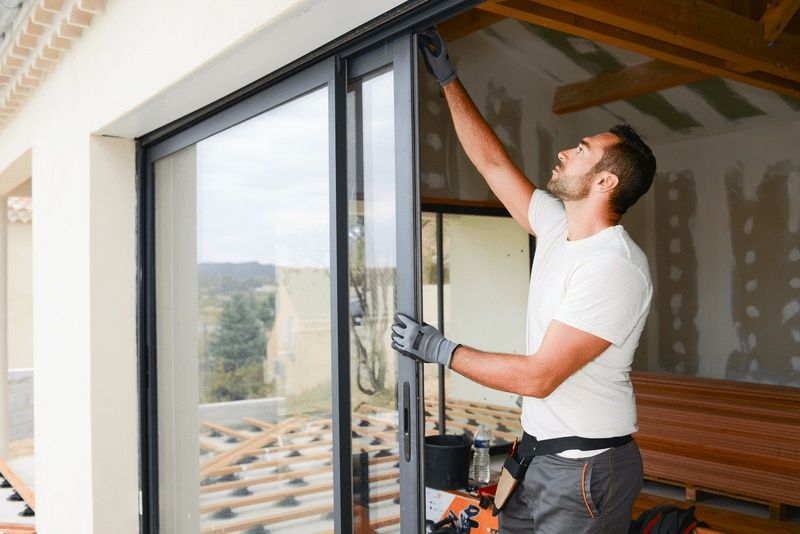
Today, sliding glass door design is an important part of modern home layouts. These doors combine functionality with visual openness, making them a common feature in both compact and large homes.
Importance
Sliding glass doors are important in modern housing because they help optimize space and improve usability. Unlike traditional doors, they do not require extra room for opening, making them suitable for smaller living areas.
Homeowners and builders often use sliding patio doors to improve access to outdoor spaces while maintaining a clean and organized layout. The benefits of sliding glass doors also include better natural lighting and improved ventilation when opened.
They address several common challenges in homes:
- Space efficiency: sliding movement avoids obstruction
- Natural light: large glass panels allow sunlight inside
- Accessibility: easier movement between indoor and outdoor areas
- Visual continuity: creates a seamless connection between spaces
These factors contribute to the growing use of home sliding doors in residential construction.
Types of Sliding Glass Doors
There are different types of sliding glass doors, each designed for specific layouts and functional needs.
Standard Sliding Doors
These consist of two panels where one remains fixed and the other slides along a track.
- Common in residential settings
- Simple sliding door track system
- Suitable for patios and balconies
Multi-Panel Sliding Doors
These doors include multiple panels that can slide and stack behind each other.
- Used in larger openings
- Provide wider access areas
- Common in modern sliding doors
Pocket Sliding Doors
Pocket doors slide into a compartment within the wall, making them invisible when open.
- Ideal for saving space
- Used in interior partitions
- Require specific wall design
Bi-Parting Sliding Doors
In this design, panels slide from the center toward both sides.
- Suitable for symmetrical layouts
- Often used in large entrances
- Enhances accessibility
Sliding Door Installation
Sliding door installation involves several steps that ensure proper alignment and functionality.
Preparation and Measurement
Accurate measurements are essential before installing sliding glass doors. The opening must be level and properly framed.
- Measure width and height carefully
- Check floor alignment
- Ensure structural support
Installing the Track System
The sliding door track system is installed first. This track guides the movement of the door panels.
- Tracks must be aligned evenly
- Secure fixing ensures smooth operation
- Proper leveling prevents uneven sliding
Panel Placement
Glass panels are then positioned onto the track system.
- Panels are fitted into rollers
- Alignment is checked for smooth movement
- Locks and handles are installed
Final Adjustments
After installation, adjustments are made to ensure proper operation.
- Check sliding motion
- Ensure secure locking
- Inspect sealing around edges
Key Components of Sliding Glass Door Systems
Understanding the main components of glass door systems helps in recognizing how they function.
- Frame: supports the entire structure
- Glass panels: provide visibility and separation
- Track system: allows horizontal movement
- रोलर्स: enable smooth sliding
- Locking mechanism: ensures safety
Each component plays a role in ensuring durability and usability.
Comparison of Sliding Glass Door Types
| Type | Structure | Space Requirement | Typical Use Area |
|---|---|---|---|
| Standard Sliding | Two-panel system | Moderate | Homes and patios |
| Multi-Panel | Multiple sliding units | Large openings | Living areas, outdoors |
| Pocket Sliding | Hidden in wall | Minimal visible space | Interior rooms |
| Bi-Parting | Center-opening | Wide openings | Entrances, halls |
Recent Updates
Recent developments in sliding glass door design focus on improved materials and usability. Modern sliding doors now include stronger glass options and more durable frames, which enhance long-term performance.
There is also a growing trend toward energy-efficient glass door systems that help regulate indoor temperature. Improved sealing methods reduce air leakage and support better insulation.
Another trend includes smart integration, where sliding glass doors are designed to work with automated systems for controlled opening and closing.
Laws or Policies
Sliding glass doors in residential buildings are influenced by construction and safety regulations.
Building Standards
- Doors must meet structural safety requirements
- Glass used should comply with safety glazing standards
- Installation must follow building codes
Safety Requirements
- Use of tempered or reinforced glass is often required
- Proper locking systems must be included
- Edges and frames should be secure to prevent injury
Energy and Efficiency Guidelines
- Some regions require energy-efficient materials
- Insulation standards may apply to glass door systems
- Proper sealing is necessary to reduce energy loss
These regulations ensure safe and effective use of sliding glass doors in homes.
Tools and Resources
Several tools and resources can assist in understanding and managing sliding door installation and maintenance.
Measurement Tools
- Tape measures and leveling tools
- Digital measurement devices
Planning Tools
- Layout design software for home sliding doors
- Space planning templates
Maintenance Resources
- Cleaning guides for glass panels
- Track maintenance checklists
- Adjustment guides for sliding mechanisms
Technical References
- Manuals explaining sliding door track systems
- Installation guidelines for different door types
These resources help users understand both basic and advanced aspects of sliding glass doors.
FAQs
What are sliding glass doors and how do they work?
Sliding glass doors are door systems that move horizontally along a track. They use rollers and a sliding door track system to open and close smoothly.
What are the different types of sliding glass doors?
Types of sliding glass doors include standard sliding doors, multi-panel doors, pocket doors, and bi-parting doors, each suited for different spaces.
What is involved in sliding door installation?
Sliding door installation includes measuring the opening, installing the track system, placing panels, and making final adjustments for smooth operation.
What are the benefits of sliding glass doors in homes?
The benefits of sliding glass doors include space-saving design, improved natural light, and easy access to outdoor areas.
Are sliding patio doors suitable for small spaces?
Sliding patio doors are suitable for small spaces because they do not require additional room for opening, making them practical in compact layouts.
Conclusion
Sliding glass doors are a practical solution for modern homes, combining functionality with efficient space usage. Different types of sliding glass doors provide options for various layouts and needs. Understanding sliding door installation and key components helps ensure proper use and maintenance. With ongoing improvements in materials and design, these systems continue to play an important role in residential spaces.