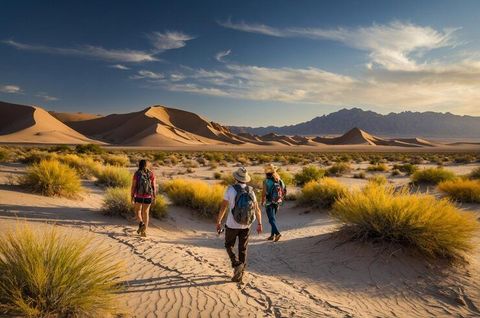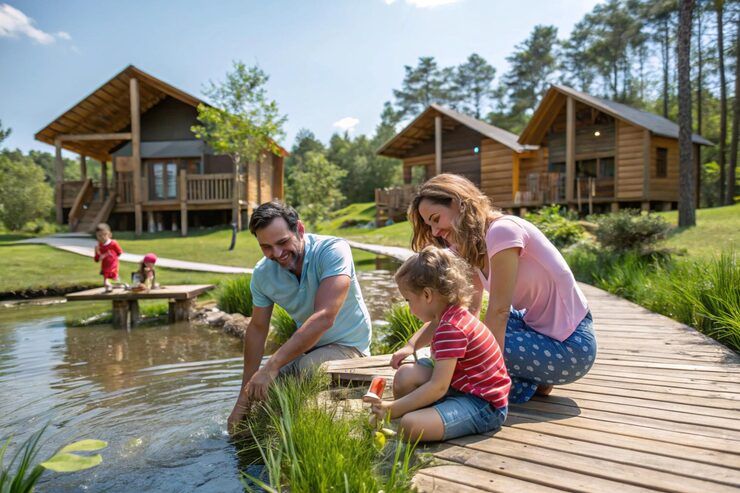
Family eco-resorts are accommodation destinations designed to combine family recreation with environmentally responsible practices. They often operate near forests, beaches, mountains, lakes, or other natural landscapes and may incorporate renewable energy, water conservation, waste reduction, locally sourced food, and nature-based educational activities.
The concept has developed alongside growing interest in sustainable tourism and family holidays that include outdoor recreation and environmental learning. Rather than focusing exclusively on accommodation, family eco-resorts often encourage visitors to understand the natural surroundings and the communities connected with them.
However, the term “eco-resort” does not automatically guarantee strong environmental performance. Facilities differ in their energy use, waste management, water consumption, wildlife protection, and community involvement. Evaluating specific practices is therefore important when planning a responsible family holiday.
Understanding Family Eco-Resorts
A family eco-resort combines accommodation and recreational facilities with practices intended to reduce environmental impact. Depending on the location, it may include cottages, cabins, low-impact buildings, gardens, walking trails, educational spaces, and outdoor activity areas.
Some properties focus on renewable energy and efficient building design, while others emphasize conservation, agricultural experiences, cultural education, or responsible wildlife observation.
Common features may include:
Energy-efficient lighting and appliances
Solar power or other renewable energy systems
Water-saving fixtures and rainwater collection
Waste separation and composting
Reusable dining materials
Locally sourced ingredients
Nature trails and outdoor learning activities
Wildlife and habitat conservation programs
Accessible recreational spaces for different age groups
These features vary by destination, and environmental claims should be assessed against measurable practices rather than labels alone.
Different Types of Family Eco-Resorts
Family eco-resorts can be found in different environments, each providing distinct opportunities for recreation and environmental education.
| Resort Type | Natural Setting | Common Activities |
|---|---|---|
| Forest eco-resort | Woodlands and protected forests | Nature walks, birdwatching, environmental education |
| Coastal eco-resort | Beaches and coastal habitats | Tide-pool observation, marine education, beach walks |
| Mountain eco-resort | Hills and mountain landscapes | Hiking, nature photography, landscape exploration |
| Farm-based eco-resort | Agricultural land | Gardening, food production, farm education |
| Lakeside eco-resort | Lakes and wetlands | Birdwatching, nature trails, water conservation education |
| Wildlife-focused retreat | Areas near wildlife habitats | Guided observation and conservation learning |
The suitability of a destination depends on family members' ages, mobility requirements, climate preferences, safety needs, and the activities available.
Why Family Eco-Resorts Matter
Family eco-resorts can connect tourism with environmental awareness, responsible resource use, and local cultural understanding.
Environmental Responsibility
Tourism can place pressure on water supplies, energy systems, waste infrastructure, and sensitive habitats. Resorts that monitor and reduce these impacts can help limit some of the environmental pressures associated with visitor accommodation.
Examples include efficient water systems, renewable electricity, waste separation, and careful management of outdoor lighting near wildlife habitats.
These practices are most meaningful when supported by measurable results and transparent reporting.
Environmental Education for Children
Nature-based activities can help children understand ecosystems through direct observation. Depending on the location, educational programs may include identifying local plants, observing birds, learning about composting, or understanding how water moves through an ecosystem.
Parents can use these experiences to introduce topics such as biodiversity, climate, food production, and waste reduction in an accessible way.
Family Recreation and Well-Being
Outdoor environments can create opportunities for walking, nature photography, gardening, wildlife observation, and shared recreational activities.
Families may also benefit from choosing destinations with clear safety arrangements, suitable facilities for children, accessible pathways, and activities appropriate for different age groups.
Local Communities
Responsible tourism can contribute to local economies through regional food production, cultural activities, locally made goods, and the use of local knowledge.
The strength of this contribution depends on how a resort operates, its employment practices, purchasing decisions, land use, and relationship with surrounding communities.
Recent Developments in Sustainable Family Tourism
During 2025 and 2026, sustainable tourism continued to receive attention through international environmental programs, accommodation sustainability standards, and destination-management initiatives.
Global Sustainable Tourism Standards
The Global Sustainable Tourism Council continued developing and maintaining sustainability criteria for tourism businesses and destinations. Its framework addresses environmental management, social responsibility, cultural heritage, and sustainable economic benefits.
These criteria are relevant to family eco-resorts because they encourage a more systematic approach to evaluating environmental and community practices instead of relying only on promotional claims.
International Tourism and Environmental Awareness
In 2025, international tourism discussions continued to emphasize climate resilience, resource efficiency, biodiversity protection, and the involvement of local communities in tourism planning.
For family-oriented properties, these priorities can influence decisions about building materials, water consumption, energy systems, food sourcing, waste management, and visitor activities.
Greater Attention to Sustainability Claims
Environmental claims have also received increased scrutiny from regulators and consumer-protection organizations. Statements such as “carbon neutral,” “zero waste,” or “fully sustainable” may require supporting evidence, particularly when used in marketing.
For families researching accommodation, independent certifications, published sustainability policies, and measurable environmental information can provide more useful evidence than broad environmental descriptions.
Because certification requirements and destination programs change over time, travelers should verify the current status of any claimed accreditation.
Laws, Policies, and Environmental Regulations
Family eco-resorts operate under different legal systems depending on their location. Relevant rules may cover accommodation standards, environmental permits, water use, wastewater treatment, waste disposal, building safety, wildlife protection, and land development.
Environmental Impact Assessments
In many countries, proposed developments in sensitive ecological areas may require environmental assessments or other regulatory approvals.
These processes can examine effects on biodiversity, drainage, water resources, vegetation, nearby communities, and protected landscapes. Requirements depend on the jurisdiction, project size, and location.
Protected Areas and Wildlife
Resorts located near national parks, wetlands, marine protected areas, or wildlife habitats may be subject to additional restrictions.
Rules can govern construction, visitor numbers, wildlife interaction, noise, lighting, boating, and access to sensitive areas.
Responsible facilities should communicate applicable restrictions to visitors and ensure that recreational activities do not disturb wildlife or damage habitats.
Sustainability Certifications
The Global Sustainable Tourism Council provides criteria used by tourism businesses and certification bodies to evaluate sustainability performance. Its framework covers management systems, environmental impacts, community relationships, and cultural heritage.
Certification is not the same as government licensing. A property may need separate legal approvals even when it holds a sustainability credential.
Accommodation Safety
Family accommodation must also comply with applicable fire safety, sanitation, food safety, building, and emergency-management requirements.
Families should examine child-safety arrangements, swimming-area supervision, emergency access, and activity-specific restrictions before selecting a destination.
Tools and Resources for Planning a Family Eco-Resort Holiday
Reliable information can help families assess environmental practices and compare accommodation options.
Sustainability Certification Resources
The Global Sustainable Tourism Council provides information about sustainability criteria and recognized certification frameworks. Travelers can use these resources to understand what credible sustainability assessment involves.
Mapping and Navigation Applications
Digital maps help families examine a resort's surroundings, walking routes, nearby protected areas, transportation connections, and access to essential facilities.
Useful features include:
Walking-distance estimates
Terrain and elevation information
Public transportation routes
Offline navigation
Nearby medical facilities
Accessibility information
Weather and Environmental Information
Weather applications and official park websites help families prepare for local conditions.
Before travelling, check temperature, rainfall, storm warnings, wildfire risk, trail closures, and seasonal wildlife guidance.
Family Travel Planning Checklist
| Planning Factor | What to Evaluate |
|---|---|
| Accommodation | Family room layout and essential facilities |
| Environmental practices | Energy, water, waste, and conservation measures |
| Child safety | Supervision, barriers, emergency procedures |
| Activities | Age suitability and physical difficulty |
| Accessibility | Paths, entrances, and available facilities |
| Food | Dietary requirements and ingredient information |
| Location | Transport access and nearby medical facilities |
| Sustainability claims | Certification and measurable evidence |
A simple comparison spreadsheet can help families evaluate several destinations using the same criteria. This makes it easier to distinguish verified environmental practices from general marketing descriptions.
Frequently Asked Questions
What is a family eco-resort?
A family eco-resort is an accommodation destination designed for family recreation while incorporating practices intended to reduce environmental impact. Examples include energy efficiency, water conservation, waste reduction, nature education, and habitat protection.
Are family eco-resorts always environmentally friendly?
No. The term itself does not guarantee strong environmental performance. Families should examine specific practices, credible certifications, water and energy management, waste systems, and evidence supporting sustainability claims.
What activities are common at family eco-resorts?
Activities can include nature walks, birdwatching, gardening, environmental education, cultural experiences, cycling, and guided wildlife observation. Availability depends on the location, season, and local environmental restrictions.
How can families identify a genuinely sustainable resort?
Look for independently assessed sustainability credentials, transparent environmental policies, measurable resource-use information, responsible wildlife practices, and evidence of positive relationships with local communities.
What should families consider before planning an eco-resort holiday?
Consider children's ages, accessibility, weather, medical access, safety arrangements, environmental practices, activity suitability, and transportation. Check local regulations and current conditions before participating in outdoor activities.
Conclusion
Family eco-resorts combine accommodation, outdoor recreation, and environmental awareness. They can provide opportunities for families to explore natural landscapes while learning about conservation, resource efficiency, and local cultures.
Their environmental value depends on actual operating practices rather than the eco-resort label alone. Energy efficiency, water conservation, waste management, wildlife protection, and community involvement are important indicators to examine when evaluating a destination.
Developments in sustainability standards and increased scrutiny of environmental claims make careful research particularly valuable. By consulting credible certification resources, checking safety arrangements, and comparing measurable environmental practices, families can make better-informed decisions about nature-based holidays while supporting more responsible tourism.