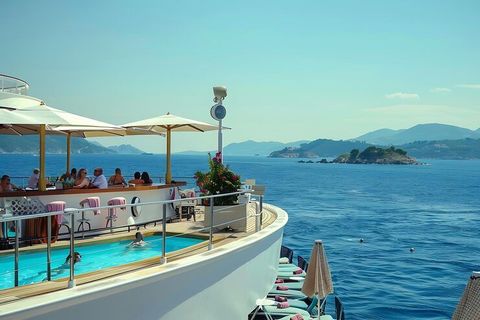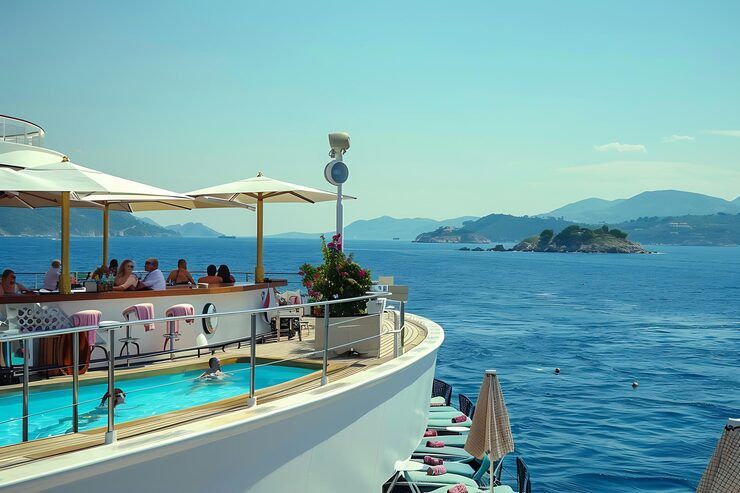
Greek island cruises provide a way to explore several islands and coastal destinations during one journey across the Aegean or Ionian seas. These journeys combine maritime transportation with opportunities to experience historic towns, archaeological sites, beaches, traditional villages, local food, and Mediterranean landscapes.
Greece has thousands of islands and islets, although only a portion are inhabited. The islands belong to different geographical groups, including the Cyclades, Dodecanese, Ionian Islands, Sporades, and northeastern Aegean islands. Each group has its own landscape, cultural traditions, transportation connections, and seasonal patterns.
Cruise itineraries may include short island visits, multi-day journeys, or longer Mediterranean routes connecting Greece with neighboring countries. Some focus on famous destinations such as Santorini and Mykonos, while others explore smaller ports and less frequently visited islands.
Understanding Greek Island Cruise Routes
The Aegean Sea is the principal setting for many Greek island cruises. Its islands are relatively close together in some areas, allowing ships to visit several destinations during a single itinerary.
The Cyclades are particularly recognized for whitewashed buildings, coastal settlements, and historic sites. Santorini is known for its volcanic landscape, while Mykonos is associated with traditional architecture and waterfront streets.
Crete, Greece's largest island, provides a different experience through archaeological heritage, mountain scenery, agricultural landscapes, and historic cities. In the Ionian Sea, islands such as Corfu and Kefalonia have green landscapes, coastal settlements, and architectural influences reflecting their varied histories.
Common cruise itinerary features include:
Historic port towns and waterfront districts
Archaeological sites and museums
Volcanic landscapes and scenic viewpoints
Traditional villages and local markets
Beaches and coastal walking routes
Religious monuments and historic architecture
Regional food and cultural traditions
Popular Islands and Their Characteristics
| Island | Main Characteristics | Common Visitor Interests |
|---|---|---|
| Santorini | Volcanic cliffs and caldera views | Architecture, scenery, archaeology |
| Mykonos | Historic waterfront and traditional streets | Culture, walking, coastal views |
| Crete | Large island with diverse landscapes | Archaeology, history, nature |
| Rhodes | Medieval old town and ancient heritage | Architecture, museums, historic walks |
| Corfu | Green landscapes and historic architecture | Cultural heritage, nature |
| Patmos | Religious heritage and traditional settlements | Monasteries, history, local culture |
| Naxos | Mountain villages and ancient remains | Hiking, archaeology, rural landscapes |
The actual destinations depend on the ship, season, itinerary, port conditions, and available time at each stop.
How Cruise Itineraries Work
A cruise itinerary typically identifies the departure port, scheduled arrival and departure times, destinations, and final port.
Athens-area departures commonly use Piraeus, one of the Mediterranean's major passenger ports. Other itineraries may begin in regional ports or combine Greece with destinations in Italy, Turkey, Cyprus, or other parts of the Mediterranean.
Time in port can range from a few hours to an overnight stay. Visitors should consider the distance between the port and the main attractions, local transportation, seasonal congestion, and the time required to return to the ship.
Why Greek Island Cruises Matter
Greek island cruises connect geography, cultural heritage, transportation, tourism, and regional economies. They can also help travelers understand the differences between islands that are often grouped together under the general term “Greek islands.”
Cultural and Historical Exploration
Greece contains archaeological remains associated with ancient civilizations, Byzantine history, medieval maritime networks, and later European influences.
A cruise can provide opportunities to explore several historical settings during one journey. For example, Rhodes offers a medieval urban environment, while Crete contains important remains associated with Minoan civilization.
These visits can help travelers understand how trade, geography, religion, migration, and political change shaped the islands.
Regional Economic Activity
Cruise tourism contributes to activity in ports, transportation networks, restaurants, cultural attractions, and local visitor economies.
However, the effects vary by destination. Large numbers of visitors arriving within a short period can place pressure on roads, public spaces, water resources, waste management, and historic town centers.
Responsible tourism planning therefore requires balancing economic activity with environmental protection and residents' quality of life.
Transportation and Accessibility
Island geography makes maritime transportation important in Greece. Cruises provide one way to connect destinations, while scheduled ferries remain essential for many residents and independent travelers.
Visitors should not assume that a cruise ship's itinerary provides enough time to explore an entire island. Port locations, road networks, local transport, and excursion duration can significantly affect the experience.
Recent Developments and Travel Trends
Greek island cruising continues to be influenced by visitor-management policies, environmental considerations, seasonal demand, and changes in port operations.
Cruise Visitor Charges in 2025
Greece introduced a seasonal cruise passenger fee framework in 2025 as part of its efforts to manage tourism pressures in heavily visited destinations.
From July 1, 2025, the framework established higher charges for cruise passengers visiting Santorini and Mykonos during the peak summer period than for visits to other Greek ports. The system also distinguishes between peak and lower-season visits.
The measure forms part of broader efforts to address the concentration of visitors in popular destinations. The applicable amounts and collection arrangements should be checked against current Greek government rules when planning travel.
Managing Visitor Concentration
Santorini and Mykonos have attracted attention because large numbers of cruise passengers can arrive within a limited period. Visitor-management discussions have focused on port operations, transport capacity, public infrastructure, and pressure on historic settlements.
Cruise schedules and port arrangements can also change because of weather, operational requirements, or local restrictions. Itineraries should therefore be treated as planned schedules rather than guarantees of access to every destination.
Environmental Considerations
Environmental management remains important in the Mediterranean. Cruise operations involve fuel consumption, emissions, wastewater controls, and waste handling, while busy destinations must manage the effects of concentrated visitor activity.
Ports and cruise operators are affected by international maritime rules and European environmental requirements. These frameworks encourage pollution prevention and more responsible maritime operations, although the environmental performance of individual ships and destinations varies.
Laws, Regulations, and Visitor Policies
Greek island cruises are affected by Greek national regulations, European Union rules, and international maritime requirements.
Greek Port and Tourism Regulations
Greek port authorities manage maritime operations, passenger movement, and port safety within their respective areas of responsibility.
Passenger fees, port entry arrangements, and local visitor-management measures can change over time. Travelers should review the latest information from the relevant port authority, cruise operator, and official Greek tourism sources.
International Maritime Safety
Passenger ships operating internationally must comply with applicable maritime safety requirements. The International Convention for the Safety of Life at Sea, commonly known as SOLAS, establishes important standards for ship construction, equipment, emergency procedures, and passenger safety.
Cruise passengers must follow onboard safety instructions, emergency briefings, and rules governing restricted areas.
Environmental Protection
The International Convention for the Prevention of Pollution from Ships, known as MARPOL, establishes international requirements for preventing pollution from ships, including controls concerning oil, garbage, sewage, and air emissions.
Greek marine environments and protected areas may also be subject to additional national or regional conservation rules. Visitors should respect protected beaches, wildlife habitats, archaeological locations, and local waste-management requirements.
Passenger Rights
European Union passenger-rights rules may apply to certain maritime journeys, depending on the route, operator, and circumstances. These rules address areas such as passenger information, assistance, and obligations during disruptions.
The precise protections available depend on the applicable legislation and the nature of the journey. Travelers should retain booking documentation and review the relevant terms before departure.
Tools and Resources for Cruise Planning
Reliable information can help travelers compare destinations, understand port arrangements, and prepare for changes in weather or schedules.
Official Tourism Information
The Greek National Tourism Organisation provides information about islands, cultural attractions, regional geography, and travel planning.
Local tourism authorities can provide destination-specific information about museums, walking routes, public transportation, events, and visitor restrictions.
Port and Ferry Information
Port authority announcements and ferry timetables are useful when arranging travel before or after a cruise. These resources can help identify transport connections, port facilities, and potential disruptions.
Weather and Navigation Resources
Marine forecasts and general weather applications can help travelers understand wind, rainfall, temperature, and sea conditions.
Useful information includes:
Wind speed and direction
Wave conditions
Temperature and rainfall
Port notices
Ferry disruptions
Local transportation schedules
Weather conditions can affect sailing times and shore activities, especially during periods of strong winds in the Aegean.
Cruise Planning Checklist
Before departure, travelers should check:
Departure and arrival ports
Passport and entry requirements
Current passenger charges
Port transportation arrangements
Shore excursion duration
Weather forecasts
Accessibility requirements
Local cultural and environmental rules
Planning ahead can help reduce uncertainty, particularly when several islands are included in one itinerary.
Frequently Asked Questions
Which Greek islands are commonly included in cruise itineraries?
Santorini, Mykonos, Crete, Rhodes, Corfu, and Patmos are among the destinations that may appear on Greek island cruise itineraries. The exact selection depends on the departure port, route, season, and length of the journey.
When is the main season for Greek island cruises?
The main cruise season generally runs from spring through autumn, with substantial activity during the warmer months. Summer offers long daylight hours but can also bring higher temperatures, busy ports, and greater visitor concentration.
Do cruise passengers need a separate visa for Greece?
Visa requirements depend on nationality, residence status, itinerary, and applicable entry rules. Travelers should verify whether they need a Schengen visa or other documentation before departure, including requirements for any additional countries on the route.
Are cruise itineraries guaranteed to visit every scheduled island?
No. Weather, port conditions, operational requirements, and safety considerations can lead to changes. Travelers should review the itinerary terms and follow announcements from the cruise operator.
How can visitors reduce their environmental impact?
Visitors can follow local conservation rules, avoid disturbing wildlife, minimize litter, respect historic sites, use designated pathways, and support responsible local practices. Choosing appropriate shore activities and respecting community guidance can also help reduce pressure on popular destinations.
Conclusion
Greek island cruises provide a way to explore the country's varied maritime landscapes, historic ports, archaeological sites, traditional villages, and coastal environments within one journey.
The differences between destinations are important. Santorini's volcanic scenery, Rhodes's medieval heritage, Crete's archaeological landscape, and Corfu's architectural character demonstrate the diversity of Greece's islands.
At the same time, cruise travel involves practical considerations, including seasonal visitor charges, port arrangements, weather, passenger safety, and environmental protection. Recent visitor-management measures show the importance of balancing tourism with the needs of local communities and fragile island environments.
Reviewing official travel information, port announcements, weather forecasts, and applicable regulations can help travelers plan a more informed journey while respecting Greece's cultural heritage and marine environment.