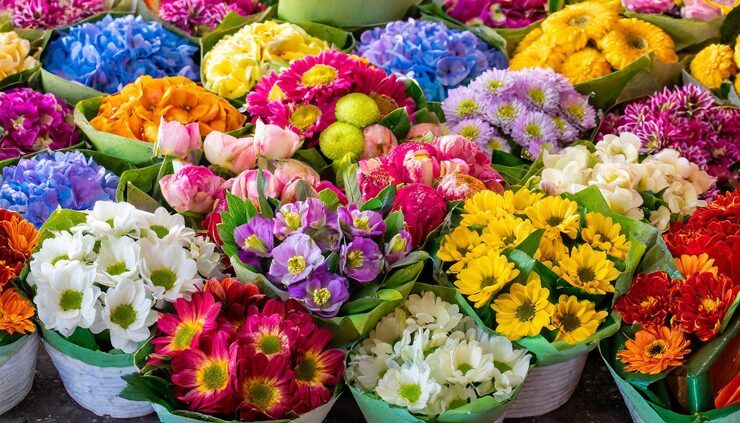
Flowers are the reproductive structures of flowering plants, scientifically known as angiosperms. They play a central role in plant life cycles by enabling pollination and seed production. Beyond their biological function, flowers have cultural, ecological, and aesthetic significance.
Flower gardening has existed for centuries, with ancient civilizations cultivating roses, lilies, and lotus flowers for decoration and cultural uses. Today, it includes home landscaping, indoor plants, balcony gardening, and sustainable projects.
Flowers vary in color, size, fragrance, and growing conditions. From small indoor plants to large outdoor gardens, flower cultivation supports biodiversity and enhances environmental quality.
Common Flower Gardening Applications
Modern flower gardening includes:
- Home garden landscaping
- Indoor flowering plants
- Balcony and terrace gardening
- Sustainable landscaping projects
- Botanical conservation efforts
Importance of Flower Gardening
Flower gardening contributes to environmental health, emotional well-being, and sustainable living.
Environmental Benefits
Flowers play an important ecological role:
- Support pollinators like bees and butterflies
- Improve air quality
- Enhance soil stability
- Increase urban biodiversity
Emotional and Mental Well-being
Gardening activities can promote relaxation and mindfulness. Exposure to plants may help reduce stress and improve mood.
Sustainable Landscaping
Modern gardening focuses on environmentally friendly practices:
- Native plant gardening
- Organic gardening methods
- Water-efficient irrigation
- Soil nutrient management
Who Benefits
Flower gardening is useful for:
- Homeowners planning garden designs
- Apartment residents growing indoor plants
- Schools teaching environmental awareness
- Communities developing green spaces
Types of Popular Flowers
Roses
Roses are widely cultivated ornamental flowers available in many colors and varieties.
Sunflowers
Sunflowers are known for their tall stems and bright yellow blooms. They are commonly used in pollinator-friendly gardens.
Orchids
Orchids are popular indoor flowering plants that require controlled light and humidity conditions.
Marigolds
Marigolds are easy to maintain and often used in home gardens due to their pest-repelling properties.
Comparison Table: Annual vs Perennial Flowers
| Feature | Annual Flowers | Perennial Flowers |
|---|---|---|
| Lifecycle | One season | Multiple years |
| Maintenance | Moderate | Low to moderate |
| Bloom Duration | Continuous in season | Seasonal return |
| Examples | Petunia, Zinnia | Lavender, Peony |
Understanding these categories helps in long-term garden planning.
Plant Care Fundamentals
Proper care is essential for successful flower gardening.
Soil Quality
- Maintain balanced nutrients
- Ensure proper drainage
- Use organic compost
Watering Practices
- Use drip irrigation systems for efficiency
- Avoid overwatering
- Adjust based on climate conditions
Sunlight Requirements
- Full sun plants need 6–8 hours of light
- Shade plants grow in indirect light
Fertilization
Organic fertilizers such as compost and manure improve soil health and plant growth.
Recent Updates (2025–2026)
Recent trends show increased focus on sustainability and technology in gardening.
Rise of Native Plant Gardening (2025)
Communities are encouraging native wildflower planting to support pollinators and reduce water usage.
Water Conservation Initiatives (2025)
Programs promoting drip irrigation and rainwater harvesting have expanded in urban areas.
Sustainable Landscaping Programs (2026)
Governments introduced guidelines for eco-friendly gardening and low-water plants.
Digital Gardening Tools
Mobile apps for plant identification and soil monitoring gained popularity. These tools help gardeners manage plants more efficiently.
Laws and Policies
Flower gardening is influenced by environmental and agricultural regulations.
Plant Import Regulations
Governments regulate plant imports to prevent disease and invasive species.
Pesticide Regulations
Restrictions on chemical pesticides help protect pollinators and ecosystems. Organic practices often align with these policies.
Water Usage Policies
Regions with water scarcity promote efficient irrigation and drought-resistant plants.
Urban Gardening Initiatives
Cities may support rooftop gardens and community planting programs to increase green spaces.
Tools and Resources
Various tools help improve gardening efficiency and sustainability.
Plant Identification Apps
- AI-based plant recognition tools
- Plant health diagnostic apps
Soil Testing Kits
- pH level measurement
- Nutrient deficiency detection
Landscape Design Software
- Garden layout visualization
- Irrigation planning tools
Irrigation Calculators
- Water requirement estimation
- Drip irrigation optimization
Educational Platforms
- Gardening advice resources
- Sustainability and agriculture platforms
Maintenance Overview
| Maintenance Task | Frequency |
|---|---|
| Watering | Weekly or climate-based |
| Pruning | Seasonal |
| Soil Enrichment | Every 3–4 months |
| Pest Inspection | Bi-weekly |
| Mulching | Seasonal |
Regular maintenance supports healthy plant growth and longer blooming periods.
FAQs
What is the easiest flower for beginners?
Marigolds and sunflowers are beginner-friendly due to low maintenance needs.
How often should flowers be watered?
Watering frequency depends on plant type, soil, and climate conditions.
Can flowers grow indoors?
Yes, many flowers such as orchids and peace lilies can grow indoors with proper lighting.
What is organic gardening?
It is a method that avoids synthetic chemicals and uses natural soil and pest management techniques.
Why are native plants important?
Native plants require less water and support local ecosystems and pollinators.
Conclusion
Flower gardening combines environmental benefits, aesthetic value, and personal well-being. It supports biodiversity, enhances living spaces, and encourages sustainable practices.
Recent trends emphasize native plants, water conservation, and digital gardening tools. Regulations help ensure responsible cultivation and environmental protection.
By understanding plant types, care techniques, and sustainability practices, individuals can create thriving gardens. Whether indoors or outdoors, flower gardening remains an accessible and environmentally beneficial activity.