Forklifts are among the most important machines used in warehouses, factories, ports, and construction environments. They help move heavy materials quickly, reduce manual lifting, and improve workflow speed where pallets, containers, or large goods need constant handling.
Many people don’t realize that forklifts are not one-size-fits-all machines. The best forklifts for one operation may perform poorly in another because floor space, load weight, lifting height, and indoor or outdoor conditions all change what works best.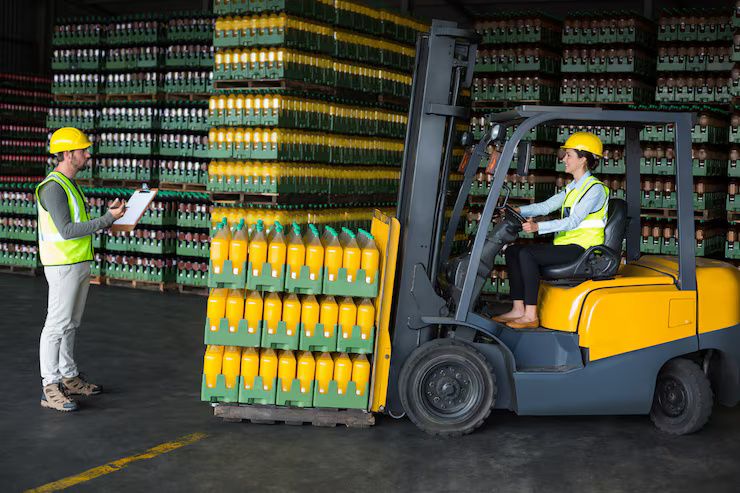
This forklifts guide explains how forklifts work, the most common forklift types, where they are used, what safety basics matter most, and how businesses make smarter equipment decisions.
What Are Forklifts and Why Do They Matter?
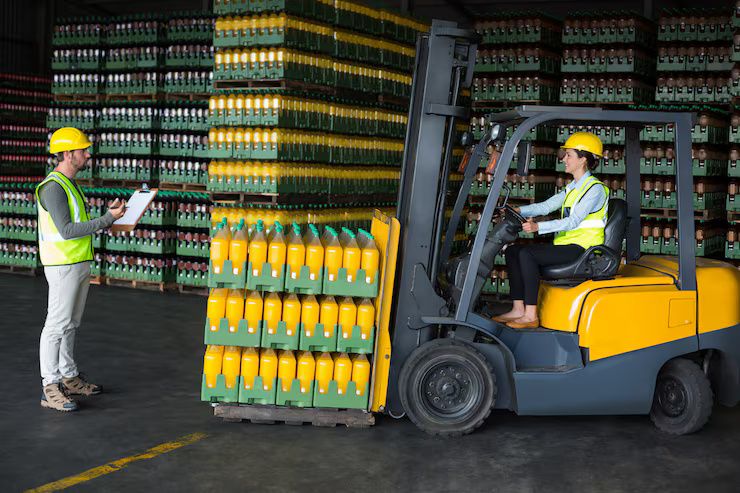
Forklifts are powered industrial vehicles designed to lift, carry, stack, and transport materials over short distances. Most models use forks mounted at the front that slide under pallets or loads.
This matters because material movement directly affects productivity. If goods are delayed between storage, loading, and production zones, overall operations slow down.
From a practical standpoint, forklifts save labor time and reduce strain injuries linked to repeated manual lifting. They also help businesses organize vertical storage by placing goods on racking systems.
In real-world warehouse environments, a reliable forklift can improve daily output more than many minor process upgrades.
Key Types of Forklifts
Counterbalance Forklifts
Counterbalance forklifts are among the most common models. They carry weight in front while a rear counterweight balances the load.
These machines work well in warehouses with open aisles and regular pallet movement.
Reach Trucks
Reach trucks are built for narrow aisles and high shelving. Their forks extend outward to place loads deeper into racks.
They are useful in storage facilities where vertical space is more valuable than floor space.
Pallet Jacks
Pallet jacks, including electric versions, are simpler machines used to move pallets at ground level.
They are common in retail backrooms, small warehouses, and loading areas.
Rough Terrain Forklifts
These forklifts use larger tires and stronger frames for outdoor or uneven surfaces.
They are often seen on construction sites, lumber yards, and agricultural operations.
Telehandlers
Telehandlers combine forklift lifting ability with an extendable boom.
They are used when extra forward reach or height is needed.
Common Uses of Forklifts in Industry
Forklifts are used across many sectors because heavy materials must move efficiently.
Warehouses use forklifts for unloading trucks, stacking pallets, and order movement. Manufacturing plants use them to supply raw materials to production lines. Retail distribution centers depend on forklifts for fast inventory turnover.
Ports and logistics hubs often use larger lifting machines to manage containers or bulk freight. Construction sites use rough terrain models to move materials across dirt or gravel surfaces.
The real difference appears when businesses match forklift performance to actual workflow rather than buying based only on price.
Forklift Comparison: Indoor vs Outdoor Operations
| Factor | Indoor Forklifts | Outdoor Forklifts |
|---|---|---|
| Surface Type | Smooth concrete | Uneven terrain |
| Best Power Source | Electric | Diesel / LPG |
| Turning Radius | Compact | Wider |
| Noise Level | Lower | Higher |
| Common Use | Warehouses | Construction |
This comparison matters because using the wrong machine often creates inefficiency. A large outdoor forklift inside a tight warehouse may waste space, while a small indoor model outside may struggle with traction and durability.
Decision Guide: Choosing the Best Forklifts
The best forklifts depend on operating conditions, not popularity.
If aisle width is limited, compact or reach equipment tends to work better. If loads are heavy and movement is mostly outdoors, stronger combustion-powered machines may be more practical.
One overlooked factor is lift height. Some businesses focus on weight capacity but forget storage rack height requirements. This often leads to unexpected replacement costs later.
In many cases, the best forklifts are the models that fit daily workflow with minimal friction, not the machines with the biggest specifications.
Battery charging access, operator shift length, and maintenance support should also influence selection.
Forklift Safety Basics Explained
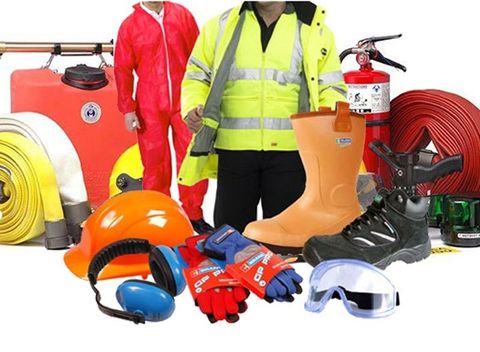
Forklift safety is critical because these machines combine heavy loads, movement, and limited visibility.
Operators should inspect tires, brakes, steering, mast function, and warning systems before use. Damaged forklifts can become serious workplace risks.
Loads should remain stable and within rated capacity. Carrying elevated loads while turning quickly increases rollover danger.
Pedestrian awareness is equally important. Warehouses often create separate walk paths, mirrors at corners, and marked crossing zones.
In real-world operations, most safety issues come from rushing, overloading, or poor visibility rather than machine failure alone.
Maintenance and Performance Factors
Forklift performance depends heavily on maintenance consistency.
Electric forklifts require battery care, charging discipline, and connector checks. Internal combustion models need fuel system service, engine checks, and fluid maintenance.
Worn tires reduce grip and steering control. Misaligned forks can damage pallets or create unstable lifting angles.
The real difference appears over time. A lower-cost forklift with poor maintenance can become more expensive than a premium machine with structured servicing.
Future Trends in Forklift Operations
Forklift technology is shifting toward smarter fleet management and cleaner energy systems.
Electric forklifts are growing due to lower emissions, quieter operation, and indoor suitability. Many fleets now use telematics to monitor usage hours, impacts, battery cycles, and maintenance schedules.
Automation is also expanding. Some warehouses use guided vehicles for repetitive transport routes while human operators handle complex lifting tasks.
Future forklift performance may depend as much on data systems as mechanical strength.
FAQ
1. What are forklifts used for?
Forklifts are used to lift, move, stack, and transport heavy materials in industrial settings.
2. Which forklift is best for warehouses?
It depends on aisle width, rack height, and daily load requirements.
3. Are electric forklifts better than fuel models?
Electric forklifts often work well indoors, while fuel models may suit tougher outdoor jobs.
4. Why is forklift safety important?
Because heavy loads, movement, and limited visibility can create serious risks.
5. How often should forklifts be maintained?
Maintenance schedules vary, but regular inspections and planned servicing are essential.
Conclusion
Forklifts play a major role in modern logistics, manufacturing, and construction by moving materials faster and more safely than manual methods.
From counterbalance forklifts to reach trucks and telehandlers, the right machine depends on load type, work environment, and operating goals. Many people don’t realize that choosing correctly often improves productivity more than simply buying larger equipment.
As technology advances, forklifts are becoming smarter, cleaner, and more connected, creating new opportunities for efficient operations.