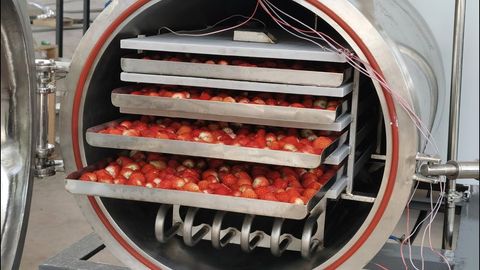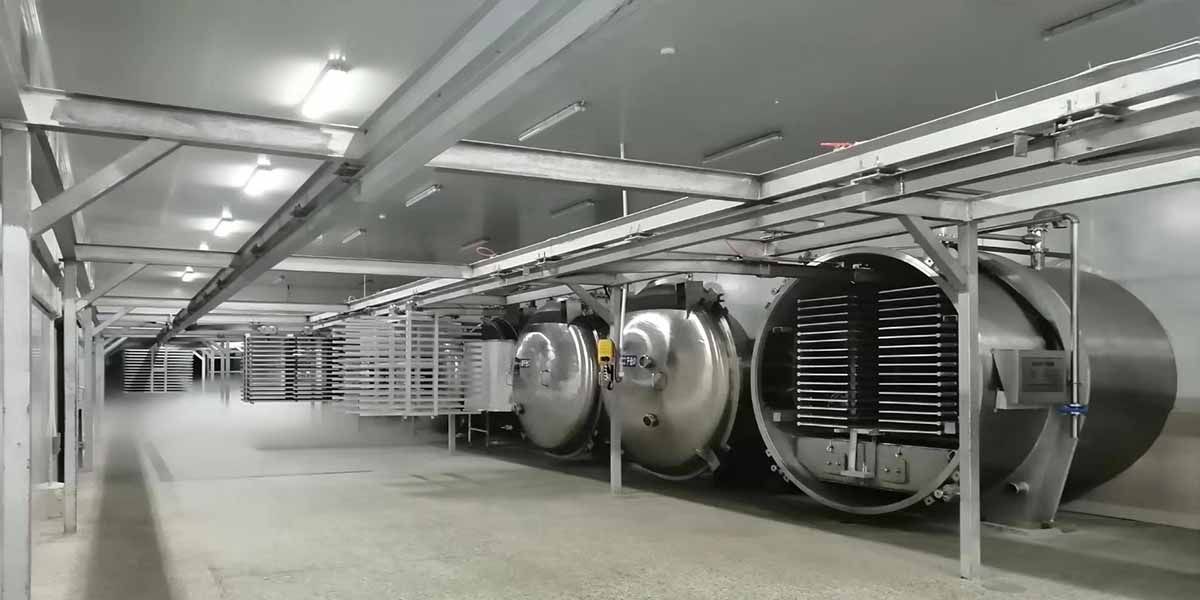
Learn how Industrial Freeze Dryers support product preservation, moisture removal, lyophilization, pharmaceutical processing, food preservation, and manufacturing efficiency.
Among the advanced preservation technologies available today, Industrial Freeze Dryers play a significant role in extending product stability while maintaining important physical and chemical characteristics. Freeze drying, also known as lyophilization, is widely used to remove moisture from materials through a controlled low-temperature process.
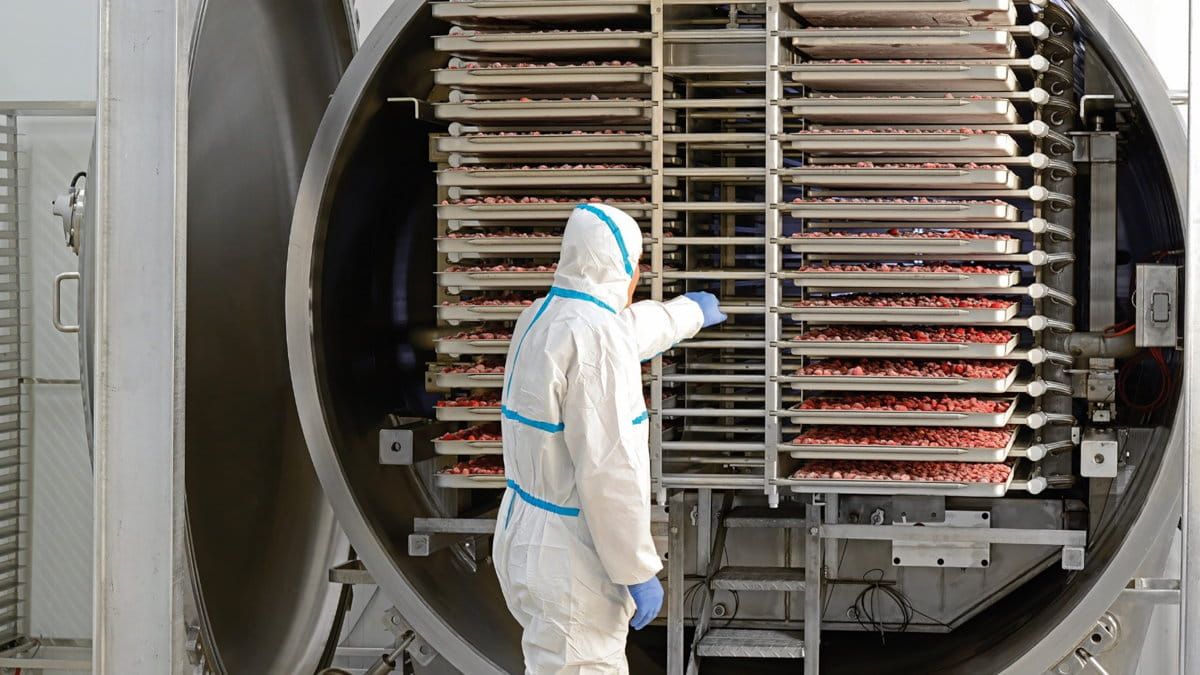
As industries continue to seek reliable methods for long-term storage, transportation, and quality preservation, industrial freeze drying technology has become an important part of modern production and processing operations. Understanding how industrial freeze dryers work can help organizations evaluate their applications and benefits across various sectors.
Note: Equipment specifications, processing methods, regulatory requirements, and product suitability vary by industry, application, and manufacturer. This article is intended for educational purposes only.
What Is an Industrial Freeze Dryer?
An Industrial Freeze Dryer is a specialized processing system designed to remove moisture from products through a process called sublimation. During freeze drying, water is removed directly from a frozen state into vapor without passing through the liquid phase.
Industrial freeze dryers are commonly used for:
Pharmaceutical products
Biotechnology materials
Food preservation
Chemical processing
Laboratory applications
Research materials
Nutritional products
Biological samples
The specific equipment configuration depends on the product being processed.
How Freeze Drying Works
Freeze drying involves several controlled stages.
Freezing Phase
The product is cooled to a temperature where moisture becomes frozen.
Primary Drying
Vacuum conditions are applied, allowing frozen water to sublimate into vapor.
Secondary Drying
Residual moisture is removed to achieve desired product stability levels.
Packaging and Storage
The processed material is packaged under controlled conditions to maintain quality.
Careful monitoring throughout the process helps ensure consistent results.
Why Industrial Freeze Dryers Matter
Freeze drying offers a preservation method that supports product stability.
Potential benefits include:
Long-term product preservation
Reduced moisture content
Improved storage stability
Enhanced transportation efficiency
Preservation of product structure
Extended shelf life for suitable materials
Improved handling characteristics
Support for sensitive products
Actual outcomes depend on product type, process controls, and operating conditions.
Industries Using Industrial Freeze Dryers
Freeze drying technology serves a wide range of sectors.
Pharmaceutical Industry
Used in the preservation of temperature-sensitive formulations and research materials.
Biotechnology
Supports the stabilization of biological samples and research products.
Food Processing
Helps preserve food products while reducing moisture content.
Chemical Manufacturing
Used for specialized chemical formulations and processing applications.
Research Laboratories
Supports analytical, scientific, and experimental projects.
Each industry follows specific quality and regulatory requirements.
Key Components of an Industrial Freeze Dryer
Modern freeze drying systems contain several essential elements.
Freezing Chamber
Provides controlled cooling conditions.
Vacuum System
Creates the low-pressure environment necessary for sublimation.
Condenser Unit
Captures water vapor removed from the product.
Control System
Monitors temperature, pressure, and process parameters.
Shelving System
Supports uniform product placement during processing.
The design varies according to production capacity and application needs.
Industrial Freeze Dryer Overview
| Component | Primary Function |
|---|---|
| Freezing Chamber | Freezes product material |
| Vacuum System | Enables sublimation process |
| Condenser | Collects water vapor |
| Control System | Monitors process conditions |
| Shelving System | Supports product loading |
| Drying Cycle | Removes moisture efficiently |
Factors Affecting Freeze Drying Performance
Several variables influence processing results.
Important factors include:
Product composition
Freezing temperature
Chamber pressure
Drying cycle duration
Equipment capacity
Moisture content targets
Product packaging requirements
Process validation procedures
Careful process optimization helps improve consistency and efficiency.
Best Practices for Freeze Drying Operations
Successful operation often requires structured process management.
Helpful recommendations include:
Follow validated operating procedures.
Monitor process parameters continuously.
Maintain equipment regularly.
Verify product compatibility.
Implement quality control measures.
Train operators appropriately.
Maintain accurate documentation.
Review performance data periodically.
These practices help support reliable production outcomes.
Current Trends in Freeze Drying Technology
Processing technology continues to advance across industries.
Recent developments include:
Automated process control systems
Advanced monitoring technologies
Energy-efficiency improvements
Smart manufacturing integration
Data-driven process optimization
Remote equipment monitoring
Enhanced vacuum technologies
Predictive maintenance systems
These innovations help improve productivity and operational performance.
Looking Ahead
The future of Industrial Freeze Dryers is expected to include greater automation, advanced analytics, improved energy efficiency, and enhanced process control capabilities. As industries continue to focus on product quality, preservation, and operational efficiency, freeze drying technology will remain an important processing solution.
Why Understanding Industrial Freeze Dryers Matters
Understanding Industrial Freeze Dryers helps manufacturers, researchers, and industry professionals evaluate preservation technologies that support product stability and efficient processing. Knowledge of freeze drying principles can assist organizations in selecting appropriate solutions for their operational requirements.
Conclusion
Industrial Freeze Dryers are essential processing systems used across pharmaceutical, biotechnology, food, chemical, and research industries. By removing moisture through a controlled sublimation process, these systems help preserve product quality, improve storage stability, and support efficient transportation. As technological innovation continues to enhance freeze drying capabilities, industrial freeze dryers will remain a key component of modern preservation and manufacturing operations.