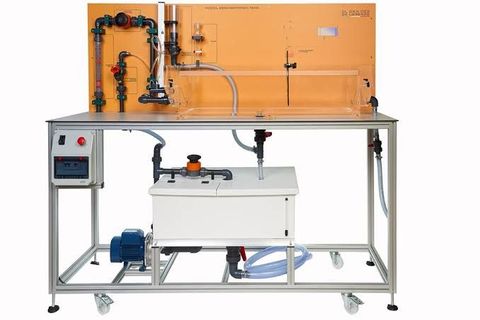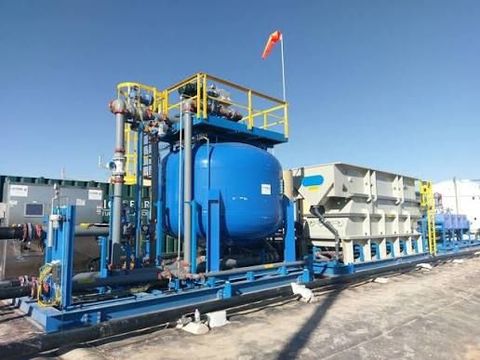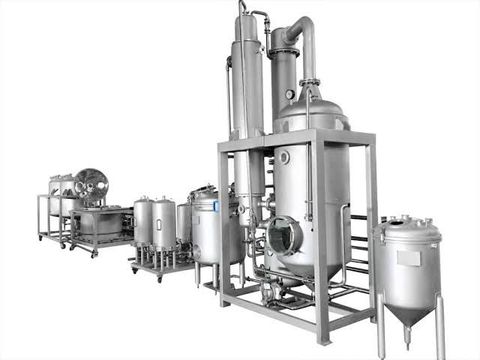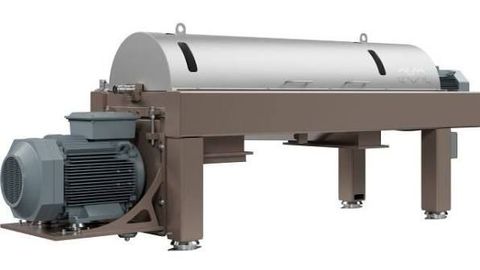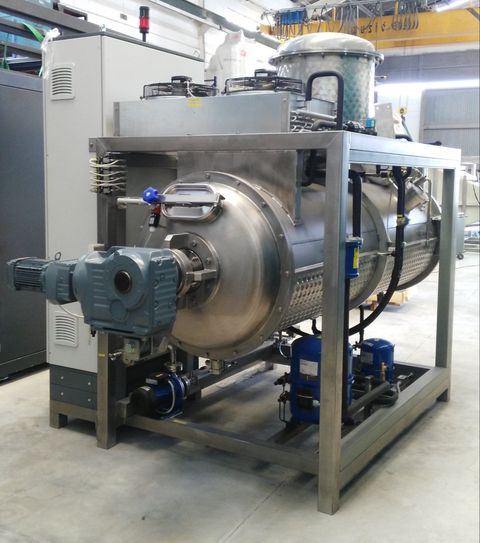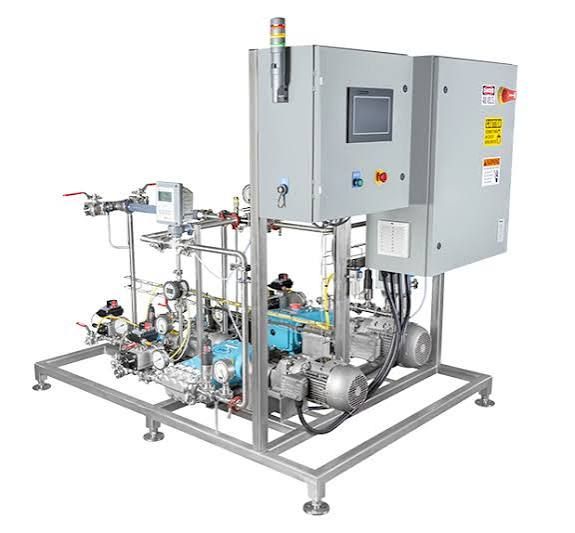
Industrial blending systems are equipment arrangements designed to combine two or more materials into a consistent mixture.
They are used across industries such as food processing, chemicals, pharmaceuticals, cosmetics, plastics, construction materials, and agriculture. Depending on the application, a system may handle powders, liquids, granules, pastes, or combinations of different material types.
The basic purpose of industrial blending systems is to distribute ingredients or materials evenly throughout a batch. Earlier production processes often relied heavily on manual mixing or simple mechanical equipment. As production volumes and material requirements became more complex, controlled blending systems developed to provide repeatable mixing conditions.
Several components can work together within a blending setup. These may include mixing vessels, agitators, blades, pumps, conveyors, weighing equipment, sensors, temperature controls, and automated control systems. The exact configuration depends on material characteristics and production requirements.
Importance
Consistent blending can affect the quality and uniformity of finished materials. Differences in particle size, density, viscosity, moisture, or temperature can make some materials more difficult to combine evenly. Industrial blending systems are designed around these characteristics to provide controlled mixing conditions.
Efficiency is another important consideration. A suitable blending process can coordinate material loading, mixing, monitoring, and discharge. Automation can also reduce the amount of manual handling required during repetitive production stages.
Different industries have different blending requirements:
- Food production may involve powders, liquids, sauces, or ingredients with different densities.
- Chemical processing may require controlled mixing of liquids, powders, or reactive materials.
- Plastics production can involve resins, additives, pigments, and other compounds.
- Construction materials may require uniform distribution of cement, aggregates, additives, or dry powders.
- Cosmetics production can involve liquids, creams, powders, and viscous materials.
| Blending factor | Why it matters |
|---|---|
| Material type | Determines suitable mixing equipment |
| Particle size | Can influence mixture uniformity |
| Density | May affect how materials distribute |
| Viscosity | Influences mixing movement and energy requirements |
| Batch size | Determines vessel and equipment capacity |
| Mixing time | Affects production scheduling |
| Temperature | Can influence material behavior |
Modern industrial blending systems may also incorporate sensors and programmable controls. These technologies can monitor selected process conditions and help operators maintain consistent parameters during production.
Tools and Resources
Understanding a blending process often requires more than selecting a mixer. Production teams may examine material properties, batch dimensions, mixing time, temperature, moisture, and equipment capacity before establishing operating parameters.
Useful resources include equipment specification sheets, material property databases, process calculation tools, maintenance checklists, and production planning templates. Engineering reference materials can also explain concepts such as mixing intensity, residence time, viscosity, particle distribution, and batch uniformity.
Digital monitoring platforms can record process information such as temperature, operating time, motor conditions, and production batches. Historical records can help identify changes in operating conditions and support routine process analysis.
For planning purposes, a basic evaluation may consider:
- Material characteristics and compatibility
- Required batch volume
- Desired mixing sequence
- Mixing duration
- Temperature requirements
- Cleaning and maintenance requirements
- Automation and monitoring needs
- Space and installation limitations
These factors provide a general framework for understanding how an industrial blending process may be configured without assuming that one system is suitable for every application.
FAQs
What are industrial blending systems?
Industrial blending systems are equipment setups used to combine materials into a consistent mixture. They can handle powders, liquids, granules, pastes, or combinations depending on their design.
How do industrial blending systems improve production efficiency?
Industrial blending systems can coordinate material handling and controlled mixing while reducing repetitive manual operations. Automated controls may also help maintain selected process parameters.
What materials can industrial blending systems handle?
The materials depend on the equipment configuration. Common examples include powders, liquids, granules, pastes, resins, additives, food ingredients, and construction materials.
What factors affect industrial blending performance?
Material density, particle size, viscosity, moisture, batch volume, temperature, mixing time, and agitator design can all influence blending performance.
Are industrial blending systems automated?
Some systems use programmable controls, sensors, automated loading, monitoring equipment, and controlled discharge. Other systems may rely on manual or partially automated operation depending on production requirements.
Conclusion
Industrial blending systems provide controlled methods for combining materials across a range of production environments. Their configuration depends on factors such as material properties, batch size, viscosity, density, temperature, and required mixing conditions. Automation and monitoring technologies can add greater process control and operational visibility. Understanding these elements helps explain how modern blending processes support consistent industrial production.