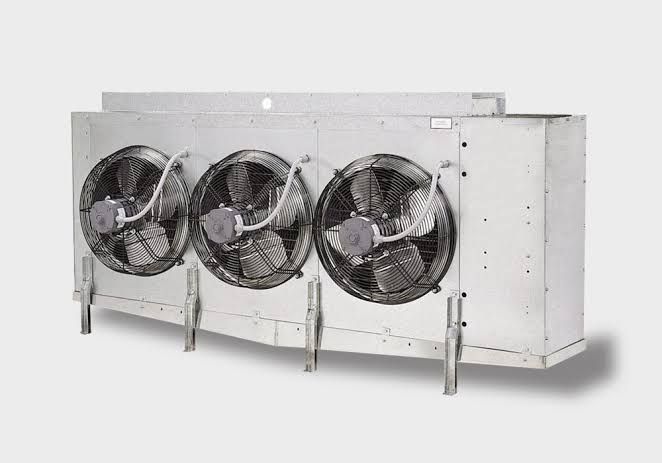
Industrial evaporators are process systems designed to remove a portion of a solvent, usually water, from a liquid mixture through controlled vaporization.
They are widely used in chemical processing, food and beverage production, pharmaceuticals, dairy processing, wastewater treatment, and other industries.
Evaporation can concentrate dissolved solids, recover useful materials, reduce liquid volume, or prepare products for further processing. The appropriate evaporator depends on feed composition, viscosity, heat sensitivity, concentration requirements, throughput, fouling tendency, and available energy sources.
What Are Industrial Evaporators?
An industrial evaporator is a heat-transfer system that separates volatile components from a liquid mixture by converting them into vapor.
The process can be used for:
- Liquid concentration
- Water removal
- Solvent recovery
- Wastewater volume reduction
- Product concentration
- Crystallization preparation
- Resource recovery
- Effluent treatment
Evaporators generally contain a heating surface where thermal energy is transferred to the process liquid.
How Do Industrial Evaporators Work?
The exact process varies according to evaporator design.
1. Feed Introduction
The liquid mixture enters the evaporator through a controlled feed system.
2. Heating
Heat is transferred to the liquid through tubes, plates, jackets, or another heat-transfer surface.
3. Vaporization
A portion of the volatile component evaporates when the liquid reaches suitable boiling conditions.
4. Vapor-Liquid Separation
The generated vapor is separated from the concentrated liquid.
5. Condensation
In many systems, vapor is condensed in a separate heat exchanger or condenser.
6. Concentrate Discharge
The concentrated liquid leaves the evaporator for storage or additional processing.
Types of Industrial Evaporators
Different evaporator configurations address different process requirements.
Falling Film Evaporators
In a falling film evaporator, the feed liquid forms a thin film along the inside surface of heated tubes while flowing downward.
The thin film provides a relatively large heat-transfer area and can reduce residence time.
Falling film systems are commonly used for:
- Dairy products
- Fruit concentrates
- Food ingredients
- Pharmaceutical formulations
- Chemical solutions
Rising Film Evaporators
Rising film evaporators use vapor formation to move liquid upward through heated tubes.
They can be suitable for certain low-viscosity liquids and applications where natural circulation is practical.
Forced Circulation Evaporators
Forced circulation systems use pumps to circulate process liquid through the heat-transfer section.
They can be useful for:
- High-viscosity liquids
- Concentrated solutions
- Fouling-prone materials
- Crystallizing solutions
The strong circulation can help maintain flow through the heat-transfer system.
Multiple-Effect Evaporators
Multiple-effect systems use vapor generated in one evaporation stage as the heating medium for another stage.
This arrangement can reduce steam or thermal-energy requirements compared with single-effect operation.
Vacuum Evaporators
Vacuum evaporation reduces the boiling temperature by lowering system pressure.
This can be useful for heat-sensitive products and applications where lower operating temperatures are desirable.
Plate Evaporators
Plate evaporators use plate-type heat-transfer surfaces instead of conventional tube bundles.
They can provide compact equipment configurations and efficient heat transfer for appropriate fluids.
Short-Tube Evaporators
Short-tube designs use relatively short heating tubes and circulation patterns suited to specific liquid characteristics.
They can be used for selected industrial concentration processes.
Key Components of Industrial Evaporators
| Component | Main Function |
|---|---|
| Feed Pump | Moves liquid into the evaporator |
| Heat-Transfer Surface | Transfers thermal energy |
| Evaporation Chamber | Supports vaporization |
| Circulation Pump | Maintains liquid movement |
| Vapor Separator | Separates vapor from concentrate |
| Condenser | Condenses generated vapor |
| Vacuum System | Reduces operating pressure |
| Control System | Regulates process conditions |
| Sensors | Monitor temperature and pressure |
| Discharge System | Removes concentrated liquid |
The exact configuration depends on evaporator type and process requirements.
Heat Transfer in Industrial Evaporators
Heat transfer is central to evaporation performance.
Common heating sources include:
- Steam
- Thermal oil
- Hot water
- Electric heating
- Waste heat
- Process vapor
Heat-transfer efficiency depends on temperature difference, surface area, liquid properties, flow conditions, and fouling.
Direct Heating
In direct-heating systems, the heating medium may come into direct contact with the process material where the application permits.
Indirect Heating
Indirect systems separate the heating medium from the process liquid through a heat-transfer surface.
This is common in industrial evaporators where product purity and controlled heating are important.
Vacuum Evaporation
Vacuum evaporation lowers the pressure inside the evaporation chamber.
Because boiling temperature decreases as pressure decreases, vacuum operation can allow evaporation at lower temperatures.
Potential applications include:
- Heat-sensitive products
- Pharmaceutical formulations
- Food concentrates
- Chemical solutions
- Wastewater concentration
Vacuum systems may include vacuum pumps, ejectors, condensers, and pressure-control equipment.
Multiple-Effect Evaporation
Multiple-effect evaporation connects several evaporation stages.
The vapor produced in one effect can serve as the heating medium for the next effect.
| Configuration | General Characteristic |
|---|---|
| Single Effect | One evaporation stage |
| Double Effect | Two connected evaporation stages |
| Triple Effect | Three connected stages |
| Multiple Effect | Several interconnected stages |
Multiple-effect systems can improve thermal utilization, although they generally involve greater equipment complexity.
Applications of Industrial Evaporators
Industrial evaporators are used in many industries.
Food and Beverage Processing
Evaporators can concentrate:
- Milk
- Fruit juices
- Vegetable extracts
- Syrups
- Food ingredients
- Liquid flavorings
Controlled evaporation can reduce water content while maintaining desired product characteristics.
Dairy Processing
Evaporation is used in the production of concentrated dairy products.
Falling film systems are frequently considered for suitable dairy applications because they can provide efficient heat transfer and controlled residence time.
Chemical Processing
Evaporators can concentrate:
- Chemical solutions
- Salts
- Acids
- Alkalis
- Solvent mixtures
- Specialty formulations
Material compatibility and corrosion resistance are important design considerations.
Pharmaceutical Manufacturing
Suitable evaporators can be used for concentration and solvent-removal processes.
Heat-sensitive pharmaceutical materials may require vacuum operation and carefully controlled temperature.
Wastewater Treatment
Industrial evaporators can reduce liquid wastewater volume and concentrate dissolved materials.
They may be incorporated into broader wastewater-treatment and resource-recovery systems.
Industrial Effluent Processing
Evaporation can help handle streams with high dissolved-solid concentrations that are difficult to process using conventional methods.
Important Industrial Evaporator Specifications
Evaporation Capacity
Capacity can be expressed as:
- Kilograms per hour
- Liters per hour
- Tons per hour
- Kilograms of water removed per hour
The specification should clearly distinguish feed capacity from evaporation capacity.
Steam Consumption
Steam consumption is an important parameter for steam-heated systems.
Multiple-effect configurations can reduce thermal requirements by reusing generated vapor.
Heat-Transfer Area
Heat-transfer area determines how much surface is available for transferring thermal energy.
It must be matched to the feed characteristics and evaporation duty.
Operating Temperature
Temperature affects evaporation rate, product quality, fouling, and energy requirements.
Operating Pressure
Vacuum and pressure specifications influence the boiling temperature and equipment design.
Concentration Ratio
The desired feed-to-concentrate relationship determines the required evaporation duty.
Factors Affecting Evaporator Performance
Several variables influence evaporation efficiency.
Important factors include:
- Feed concentration
- Feed temperature
- Viscosity
- Boiling-point elevation
- Heat-transfer coefficient
- Heat-transfer area
- Operating pressure
- Steam temperature
- Residence time
- Flow rate
- Fouling tendency
As concentration increases, viscosity can rise and heat transfer may become more difficult.
Fouling in Industrial Evaporators
Fouling occurs when unwanted material accumulates on heat-transfer surfaces.
It can result from:
- Mineral deposits
- Proteins
- Organic compounds
- Suspended solids
- Chemical precipitation
Fouling can reduce heat-transfer efficiency and increase pressure drop.
Design features that support cleaning and appropriate process control can help manage fouling.
Automation in Industrial Evaporators
Modern evaporators can incorporate automated controls for consistent operation.
Automation may regulate:
- Feed flow
- Temperature
- Pressure
- Vacuum
- Steam flow
- Concentrate density
- Liquid level
- Circulation rate
PLC-Based Control
A programmable logic controller can coordinate pumps, valves, heaters, vacuum systems, condensers, and sensors.
Process Monitoring
Sensors can monitor:
- Temperature
- Pressure
- Flow
- Level
- Conductivity
- Concentration
Process data can support quality control and troubleshooting.
Energy Efficiency
Energy consumption is an important consideration in evaporation processes.
Potential approaches include:
- Multiple-effect evaporation
- Mechanical vapor recompression
- Thermal vapor recompression
- Heat recovery
- Improved insulation
- Efficient heat exchangers
- Optimized feed preheating
Mechanical Vapor Recompression
Mechanical vapor recompression uses a compressor to raise the pressure and temperature of generated vapor so that it can be reused as a heating medium.
This can significantly change the energy balance of an evaporation system and is particularly relevant to selected high-throughput applications.
Common Industrial Evaporator Problems
Reduced Evaporation Rate
A lower evaporation rate can result from fouling, insufficient heat-transfer area, low heating-medium temperature, or unsuitable circulation.
Excessive Fouling
High feed concentration, poor flow distribution, precipitation, or unsuitable temperature conditions can accelerate deposits.
Vacuum Instability
Air leakage, condenser limitations, or vacuum-system problems can cause unstable operating pressure.
Product Overheating
Excessive temperature or prolonged residence time can affect heat-sensitive products.
Scaling
Mineral deposits can accumulate on heat-transfer surfaces when dissolved salts precipitate during concentration.
Maintenance of Industrial Evaporators
Regular maintenance helps maintain heat-transfer performance and process reliability.
Typical activities include:
- Inspecting heat-transfer surfaces
- Cleaning evaporator tubes or plates
- Checking pumps
- Inspecting valves
- Testing temperature sensors
- Checking pressure instruments
- Inspecting vacuum systems
- Cleaning condensers
- Checking seals and gaskets
- Inspecting piping
- Monitoring insulation
Cleaning frequency should be based on feed characteristics, fouling behavior, operating hours, and equipment documentation.
How to Select Industrial Evaporators
Selection should begin with the feed characteristics and required evaporation duty.
Consider:
- Feed composition
- Feed concentration
- Desired final concentration
- Evaporation capacity
- Viscosity
- Heat sensitivity
- Fouling tendency
- Boiling-point elevation
- Operating pressure
- Heating medium
- Heat-transfer area
- Residence time
- Cleaning method
- Energy requirements
- Automation
- Available installation space
Pilot testing can be useful for complex feeds where fouling, viscosity, crystallization, or heat sensitivity significantly affects performance.
How to Evaluate Industrial Evaporator Manufacturers
When evaluating industrial evaporator manufacturers, consider both process engineering capability and equipment configuration.
Important factors include:
- Evaporator technology
- Capacity range
- Heat-transfer design
- Materials of construction
- Vacuum capability
- Circulation system
- Condenser configuration
- Energy-efficiency features
- Automation
- Cleaning systems
- Safety systems
- Testing procedures
- Technical documentation
- Maintenance requirements
The manufacturer's understanding of the feed characteristics and required concentration process is important when determining the appropriate evaporator configuration.
Frequently Asked Questions
What are industrial evaporators used for?
Industrial evaporators are used to remove water or another volatile component from liquid mixtures. Common applications include concentration, solvent recovery, wastewater reduction, food processing, chemical processing, and pharmaceutical production.
What are the main types of industrial evaporators?
Common types include falling film, rising film, forced circulation, multiple-effect, vacuum, plate, and short-tube evaporators.
Why is vacuum used in industrial evaporation?
Vacuum lowers the boiling temperature of a liquid. This can be useful for heat-sensitive products and processes where lower-temperature evaporation is required.
What is a multiple-effect evaporator?
A multiple-effect evaporator uses several connected evaporation stages. Vapor generated in one stage can be reused as the heating medium for another stage, improving thermal utilization.
How do I select an industrial evaporator?
Consider feed composition, concentration, viscosity, evaporation capacity, heat sensitivity, fouling tendency, operating pressure, heating medium, required final concentration, cleaning requirements, and energy-management objectives.
Conclusion
Industrial evaporators are important process systems for concentrating liquids, removing water or solvents, reducing wastewater volume, and preparing materials for subsequent processing. Falling film, rising film, forced circulation, vacuum, plate, and multiple-effect configurations provide different approaches to industrial evaporation.
Evaporator performance depends on feed properties, heat-transfer area, temperature difference, pressure, circulation, residence time, and fouling behavior. These factors should be evaluated together when determining the appropriate equipment configuration.
Modern evaporation systems can incorporate PLC controls, automated feed regulation, vacuum management, concentration monitoring, heat recovery, and multiple-effect or vapor-recompression technologies. Proper equipment selection, cleaning, process monitoring, and maintenance can help maintain consistent evaporation performance.