Industrial extraction equipment consists of specialized machinery and process systems used to separate valuable materials, compounds, oils, solids, liquids, or other target substances from raw materials. Depending on the application, extraction can involve mechanical, thermal, solvent-based, pressure-driven, or other separation technologies.
Industrial extraction systems are used across food processing, oilseed processing, pharmaceuticals, chemicals, biotechnology, natural-product processing, mining, and other industries.
What Is Industrial Extraction Equipment?
Industrial extraction equipment is designed to transfer a desired component from a feed material into a separate phase or stream. The equipment configuration depends heavily on the physical and chemical properties of the feedstock and the target material.
Common equipment categories include:
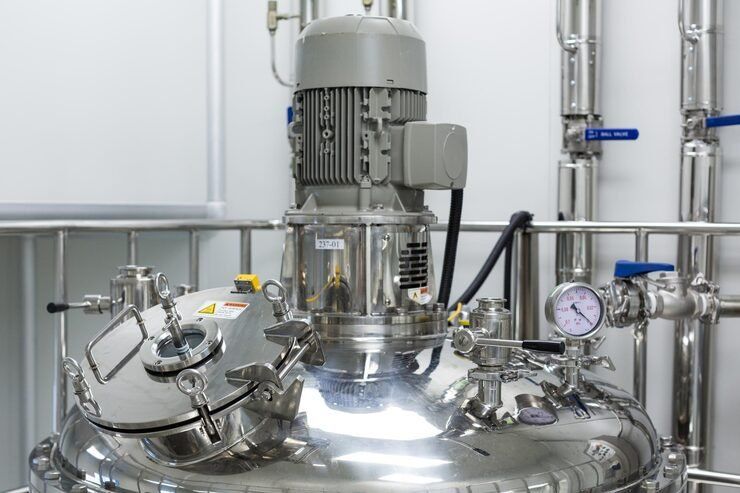
Extraction vessels
Screw presses
Solvent extractors
Centrifuges
Filter systems
Separation vessels
Evaporators
Distillation equipment
Pumps and heat exchangers
Storage and collection systems
A complete extraction plant may combine several of these technologies into an integrated process.
Major Industrial Extraction Technologies
Mechanical Extraction
Mechanical extraction uses physical force to separate materials. Screw presses, expellers, hydraulic presses, and related equipment can be used for suitable solid feedstocks.
This approach is common in oilseed processing and other applications where the target material can be separated through pressure.
Solvent Extraction
Solvent extraction uses a selected solvent to dissolve and transfer a target compound from the feed material. The resulting extract can then undergo separation and solvent recovery.
Solvent-based systems require carefully designed equipment for extraction, evaporation, recovery, temperature control, and process safety.
Supercritical Fluid Extraction
Supercritical fluid extraction uses a fluid under conditions where it exhibits properties between conventional liquid and gas phases. Carbon dioxide is commonly associated with this technology.
It can be used for selected food, botanical, pharmaceutical, and specialty extraction applications.
Steam or Thermal Extraction
Steam and thermal processes can be used to extract volatile compounds or separate components based on differences in volatility and temperature response.
These systems may incorporate boilers, extraction vessels, condensers, separators, and collection equipment.
Types of Industrial Extraction Equipment
| Equipment Type | Main Function | Example Application |
|---|---|---|
| Screw extractor | Mechanical separation | Oilseed processing |
| Solvent extractor | Solvent-based extraction | Oils and chemical compounds |
| Extraction vessel | Controlled extraction | Food and specialty processing |
| Centrifuge | Phase separation | Liquid-solid separation |
| Filter system | Solid removal | Extract clarification |
| Evaporator | Solvent or water removal | Concentration |
| Distillation unit | Component separation | Solvent recovery |
| Heat exchanger | Thermal control | Heating and cooling |
| Storage tank | Intermediate storage | Extract collection |
Equipment selection depends on feedstock, extraction chemistry, throughput, temperature, pressure, and final-product requirements.
Industrial Extraction Process
Although processes vary significantly, a typical extraction workflow can include several stages.
1. Feed preparation: Raw material is cleaned, sized, crushed, milled, dried, or otherwise prepared.
2. Extraction: The target component is transferred from the feedstock using the selected extraction method.
3. Primary separation: Solids, liquids, or other phases are separated from the extract.
4. Clarification: Filtration, centrifugation, or another process may remove remaining particles.
5. Concentration: Evaporation or another technique can increase the concentration of the desired component.
6. Solvent recovery: Where solvents are used, recovery systems can separate and recycle the solvent.
7. Final purification: Additional separation or purification stages can be applied according to product specifications.
8. Collection and storage: The final extract is transferred to appropriate storage or downstream processing equipment.
Manufacturing Processes for Extraction Equipment
Manufacturing extraction equipment requires mechanical engineering, materials selection, fabrication, precision assembly, and testing.
Engineering and Design
Engineers determine vessel dimensions, pressure ratings, thermal requirements, flow paths, agitation systems, and equipment configuration.
Material Selection
Stainless steel and specialized alloys may be selected according to product compatibility, corrosion resistance, temperature, pressure, and hygiene requirements.
Fabrication
Vessels, frames, piping, tanks, and other components can be cut, formed, machined, welded, and finished according to engineering specifications.
Surface Finishing
Internal surfaces may undergo grinding, polishing, passivation, or other treatments when required by the process.
Assembly and Testing
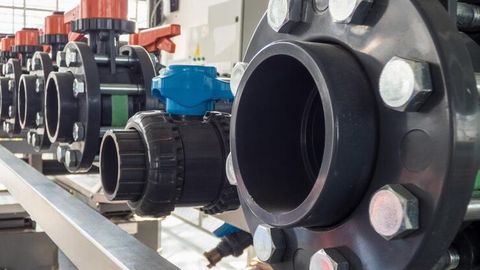
Pumps, valves, sensors, heat exchangers, control systems, and other components are integrated before mechanical, pressure, leak, or operational testing.
Automation in Industrial Extraction
Modern extraction plants can incorporate automation to monitor and control process conditions.
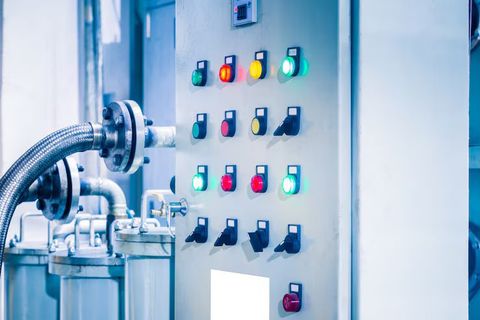
PLC and industrial control systems can manage pumps, valves, agitators, heaters, coolers, and other equipment. Sensors can measure temperature, pressure, flow, level, concentration, and other process variables.
Automated control can also support recipe management, process sequencing, alarms, data recording, and equipment monitoring.
For solvent-based processes, automation can play an important role in maintaining controlled operating conditions and coordinating recovery systems.
Global Manufacturers and Suppliers
The industrial extraction equipment ecosystem includes process-equipment manufacturers, separation-technology companies, machinery builders, engineering firms, and specialized system integrators.
Companies such as Alfa Laval, GEA, ANDRITZ, Flottweg, Bucher Unipektin, De Smet Engineers & Contractors, and Crown Iron Works provide equipment or technologies relevant to extraction, separation, processing, or related industrial applications.
Specialized suppliers may design complete extraction lines combining vessels, pumps, filtration, centrifugation, evaporation, heat transfer, automation, and storage systems.
When evaluating suppliers, manufacturers can consider processing capacity, feedstock compatibility, materials of construction, temperature and pressure requirements, automation, energy consumption, maintenance, documentation, and system integration.
Industrial Applications
Oilseed Processing
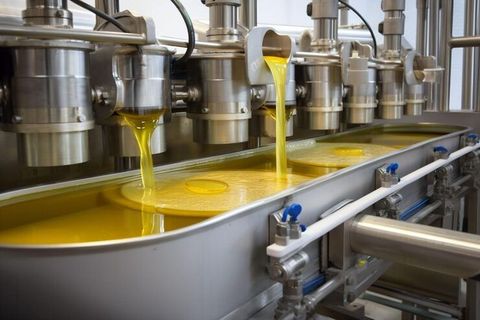
Extraction equipment is widely used to recover oils from soybeans, sunflower seeds, rapeseed, cottonseed, peanuts, and other oil-bearing materials.
Food and Beverage
Extraction technologies can be used for selected oils, flavors, colors, ingredients, and other food-processing applications.
Pharmaceutical Manufacturing
Specialized extraction systems can support the processing of suitable botanical or pharmaceutical raw materials under controlled conditions.
Chemical Processing
Industrial extraction can separate selected chemical compounds from mixtures or feed materials.
Biotechnology
Extraction and downstream-processing equipment can be used for selected biological materials and fermentation-derived products.
Natural Product Processing
Specialized systems can process botanical materials to obtain targeted compounds, oils, flavors, or other extracts.
How to Select Industrial Extraction Equipment
Selection requires careful evaluation of the entire process.
1. Define the feedstock: Identify composition, particle size, moisture, density, and material characteristics.
2. Define the target product: Establish purity, concentration, recovery, and quality requirements.
3. Select extraction technology: Compare mechanical, solvent, thermal, supercritical, or other appropriate methods.
4. Determine capacity: Establish batch size, throughput, cycle time, and operating schedule.
5. Evaluate materials: Select suitable construction materials based on corrosion, temperature, pressure, and product compatibility.
6. Assess separation requirements: Determine filtration, centrifugation, evaporation, distillation, or purification requirements.
7. Review automation and safety: Consider instrumentation, process control, monitoring, containment, and applicable safety requirements.
Frequently Asked Questions
What is industrial extraction equipment?
Industrial extraction equipment is machinery used to separate desired materials or compounds from raw materials through mechanical, solvent, thermal, pressure-based, or other extraction technologies.
What industries use extraction equipment?
Food processing, oilseed processing, pharmaceuticals, chemicals, biotechnology, natural-product processing, and other industrial sectors use extraction technologies.
What is solvent extraction equipment?
Solvent extraction equipment uses a selected solvent to transfer a target compound from a feed material, followed by separation and, where applicable, solvent recovery.
What equipment is used in an extraction plant?
An extraction plant may include extraction vessels, presses, pumps, filters, centrifuges, evaporators, distillation units, heat exchangers, storage tanks, and control systems.
How do manufacturers select extraction equipment?
Selection depends on feedstock properties, target product, extraction method, capacity, temperature, pressure, materials compatibility, separation requirements, automation, and process safety.
Conclusion
Industrial extraction equipment provides the mechanical and process infrastructure required to recover targeted materials from diverse feedstocks. Mechanical presses, solvent extractors, extraction vessels, centrifuges, filters, evaporators, distillation systems, and heat-transfer equipment can be combined according to the process.
Modern systems increasingly integrate automation, sensors, process controls, data collection, and equipment monitoring. The appropriate configuration depends on the raw material, extraction technology, production capacity, target product, separation requirements, materials of construction, and operating conditions.