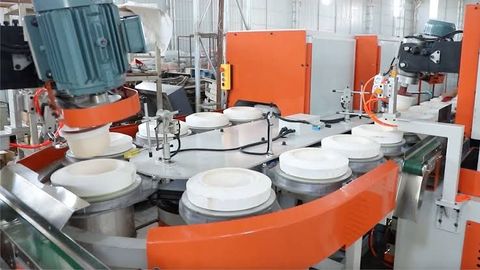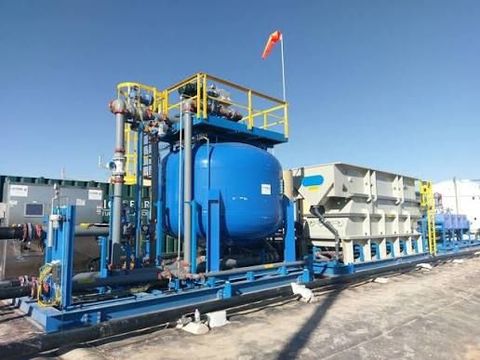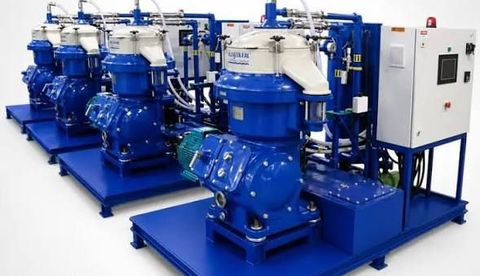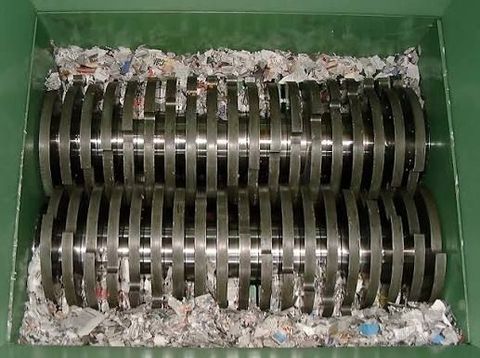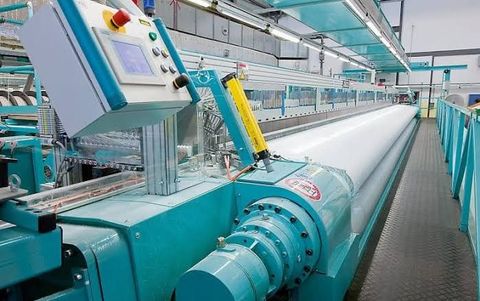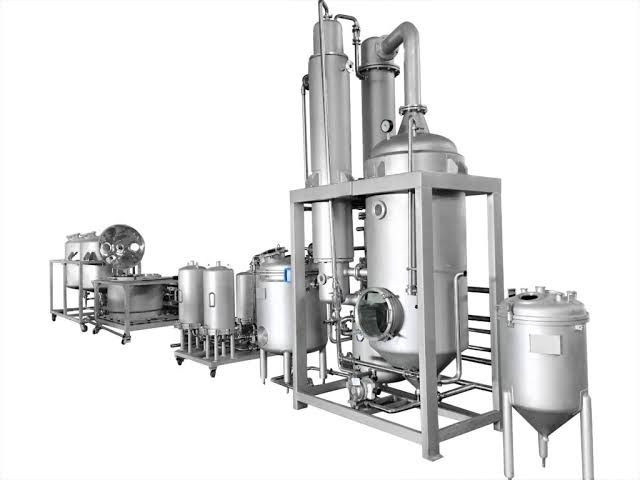
Industrial extraction equipment is used to separate and recover specific compounds or materials from solid or liquid feedstocks.
These systems are widely used in chemical processing, pharmaceuticals, food and beverage production, biotechnology, natural-product processing, and other industries.
Extraction can use solvents, mechanical separation, pressure, temperature, or combinations of these methods. The appropriate equipment depends on the feed material, target compound, extraction method, solvent characteristics, throughput, temperature, and required recovery level.
What Is Industrial Extraction Equipment?
Industrial extraction equipment consists of specialized systems designed to transfer a desired component from one phase or material into another.
Common extraction approaches include:
- Solid-liquid extraction
- Liquid-liquid extraction
- Solvent extraction
- Pressurized extraction
- Counter-current extraction
- Supercritical-fluid extraction
- Mechanical extraction
Extraction can be used for recovery, purification, concentration, or separation of valuable components.
How Does Industrial Extraction Equipment Work?
The exact process depends on the extraction technology.
1. Feed Preparation
The raw material is prepared through processes such as:
- Crushing
- Grinding
- Cutting
- Drying
- Screening
- Slurrying
Preparation can increase contact between the feed and extraction medium.
2. Contact With Extraction Medium
The prepared feed comes into contact with a suitable solvent or extraction medium.
3. Mass Transfer
The target compound moves from the original material into the extraction phase.
4. Phase Separation
The extract is separated from the remaining solids or another liquid phase.
5. Solvent Recovery
Where applicable, the extraction solvent can be separated from the desired product through evaporation, distillation, membrane separation, or another suitable process.
6. Product Recovery
The extracted material is collected, concentrated, purified, or transferred to another processing stage.
Types of Industrial Extraction Equipment
Different extraction systems are designed for different feed materials and separation objectives.
Solid-Liquid Extraction Equipment
Solid-liquid extraction transfers soluble components from a solid material into a liquid solvent.
Common applications include:
- Plant extraction
- Food ingredients
- Pharmaceutical compounds
- Chemical recovery
- Natural-product processing
Equipment can include extraction vessels, percolators, agitated tanks, and continuous extractors.
Liquid-Liquid Extraction Equipment
Liquid-liquid extraction separates a component between two immiscible liquid phases.
The process depends on differences in solubility and distribution behavior.
Common equipment includes:
- Mixer-settlers
- Extraction columns
- Centrifugal extractors
Solvent Extraction Equipment
Solvent extraction uses a selected solvent to dissolve and recover a target component from a feed material.
Solvent selection depends on:
- Solubility
- Selectivity
- Boiling point
- Chemical stability
- Safety characteristics
- Compatibility with the product
Counter-Current Extraction Systems
Counter-current systems move the feed and extraction medium in opposite directions.
This arrangement can improve contact efficiency and increase extraction performance for suitable applications.
Supercritical Fluid Extraction Equipment
Supercritical-fluid extraction uses a fluid above its critical temperature and pressure.
Carbon dioxide is commonly used in suitable applications because its physical properties can be adjusted through pressure and temperature.
This technology is used for selected food, pharmaceutical, botanical, and specialty extraction processes.
Mechanical Extraction Equipment
Mechanical systems recover liquids or valuable components through physical force rather than conventional solvent extraction.
Examples include:
- Screw presses
- Hydraulic presses
- Expellers
- Centrifugal extraction systems
These technologies are commonly associated with oils, juices, and other mechanically recoverable materials.
Key Components of Industrial Extraction Equipment
| Component | Main Function |
|---|---|
| Extraction Vessel | Provides contact space |
| Feed System | Introduces raw material |
| Solvent Pump | Circulates extraction medium |
| Agitator | Improves material contact |
| Heat Exchanger | Controls process temperature |
| Separator | Separates extraction phases |
| Filter | Removes suspended solids |
| Solvent Recovery Unit | Recovers extraction solvent |
| Control System | Manages process conditions |
| Sensors | Monitor temperature, pressure, and flow |
The component configuration varies according to the extraction method.
Industrial Extraction Methods
Maceration
Maceration involves contacting a solid feed with a solvent for a defined period.
Agitation and temperature control can improve mass transfer.
Percolation
In percolation, solvent flows through a packed bed of solid material.
The process can provide continuous contact between the solvent and feed.
Agitated Extraction
Agitated vessels use mechanical mixing to increase contact between the feed and extraction medium.
This approach can be useful when improved mass transfer is required.
Counter-Current Extraction
Feed and solvent move in opposite directions, creating repeated concentration gradients along the extraction system.
Pressurized Extraction
Pressure can be used to enhance solvent penetration or alter extraction conditions for suitable materials.
Applications of Industrial Extraction Equipment
Extraction equipment is used in many industries.
Food and Beverage Processing
Industrial extraction systems can recover:
- Vegetable oils
- Fruit compounds
- Natural flavors
- Food ingredients
- Plant-based extracts
- Functional compounds
Pharmaceutical Manufacturing
Extraction can be used for suitable:
- Active ingredients
- Natural compounds
- Pharmaceutical intermediates
- Botanical materials
Controlled temperature, solvent purity, equipment hygiene, and process consistency are important.
Chemical Processing
Extraction equipment can separate and recover:
- Organic compounds
- Metals
- Chemical intermediates
- Solvents
- Specialty chemicals
Material compatibility is important when corrosive or reactive substances are processed.
Biotechnology
Selected extraction systems can support recovery of biological compounds and other process materials.
The extraction method should account for the sensitivity and stability of the target material.
Botanical Processing
Plant materials can be processed to recover oils, flavors, pigments, aromatic compounds, and other selected components.
Oilseed Processing
Mechanical and solvent-based extraction systems can be used for suitable oilseed materials.
The process may include seed preparation, extraction, separation, solvent recovery, and oil purification.
Solvent Selection for Industrial Extraction
Solvent selection can strongly influence extraction performance.
Important characteristics include:
- Solubility
- Selectivity
- Boiling point
- Viscosity
- Density
- Chemical stability
- Material compatibility
- Flammability
- Environmental considerations
The solvent should selectively extract the target component while minimizing unwanted co-extraction.
Temperature and Pressure Control
Temperature can influence solubility, diffusion, viscosity, and extraction rate.
Higher temperatures may improve mass transfer in some systems but can degrade heat-sensitive compounds.
Pressure can influence solvent penetration and phase behavior in specialized extraction systems.
Sensors and automated controls can maintain process conditions within defined ranges.
Extraction Yield and Recovery
Extraction performance is often evaluated using yield and recovery measurements.
Extraction Yield
Extraction yield describes the amount of target material recovered relative to the starting material or theoretical quantity.
Recovery
Recovery indicates how much of the target component is successfully obtained from the original feed.
Both values depend on:
- Feed preparation
- Solvent selection
- Solvent-to-feed ratio
- Temperature
- Pressure
- Contact time
- Agitation
- Number of extraction stages
Automation in Industrial Extraction Equipment
Modern extraction systems can incorporate automated process controls.
Automation may regulate:
- Solvent flow
- Feed rate
- Temperature
- Pressure
- Agitator speed
- Extraction time
- Liquid level
- Phase separation
- Solvent recovery
PLC-Based Control
A programmable logic controller can coordinate pumps, valves, agitators, heaters, cooling systems, and separation equipment.
Recipe Management
Recipe systems can store predefined parameters for different feed materials or extraction processes.
Process Monitoring
Sensors can monitor:
- Temperature
- Pressure
- Flow
- Level
- Density
- Concentration
This information can help maintain repeatable processing conditions.
Solvent Recovery
Solvent recovery can be an important part of extraction systems using volatile solvents.
Recovery may involve:
- Evaporation
- Distillation
- Condensation
- Membrane separation
- Vapor recovery
Recovered solvent can be treated and returned to the process where appropriate.
Industrial Extraction Safety
Some extraction processes involve flammable, volatile, corrosive, or high-pressure materials.
Safety considerations may include:
- Appropriate ventilation
- Explosion-protection measures
- Pressure-relief systems
- Temperature monitoring
- Leak detection
- Grounding
- Emergency shutdown systems
- Appropriate material selection
- Containment systems
Safety requirements should be determined by the specific solvent, process conditions, equipment design, and applicable regulations.
Common Industrial Extraction Problems
Low Extraction Yield
Low recovery can result from unsuitable solvent selection, insufficient contact time, poor feed preparation, inadequate mixing, or inappropriate temperature.
Excessive Solvent Consumption
Poor phase separation, inefficient recovery, or unsuitable solvent-to-feed ratios can increase solvent requirements.
Emulsion Formation
Liquid-liquid extraction can produce stable emulsions that make phase separation difficult.
Mixer design, residence time, and phase properties should be considered.
Thermal Degradation
Heat-sensitive compounds can degrade when exposed to excessive temperature or prolonged processing.
Solvent Loss
Leaks, poor condensation, inadequate seals, or inefficient recovery systems can lead to solvent losses.
Maintenance of Industrial Extraction Equipment
Regular maintenance helps maintain extraction performance and equipment integrity.
Typical activities include:
- Inspecting extraction vessels
- Checking pumps
- Inspecting agitators
- Cleaning filters
- Checking valves
- Inspecting heat exchangers
- Testing temperature sensors
- Checking pressure instruments
- Inspecting seals and gaskets
- Cleaning piping
- Testing safety systems
Maintenance intervals should follow equipment documentation and operating conditions.
How to Select Industrial Extraction Equipment
Selection should begin with the feed material and target extraction requirement.
Consider:
- Feed type
- Target compound
- Solid or liquid feed
- Extraction method
- Solvent characteristics
- Solvent-to-feed ratio
- Required capacity
- Extraction temperature
- Operating pressure
- Contact time
- Agitation requirements
- Phase-separation requirements
- Solvent recovery
- Material compatibility
- Hygiene requirements
- Automation
- Available installation space
Pilot-scale testing can help determine solvent selection, extraction conditions, stage requirements, and equipment configuration.
How to Evaluate Industrial Extraction Equipment Manufacturers
When evaluating extraction equipment manufacturers, consider their process engineering capabilities and system configuration.
Important factors include:
- Extraction technology
- Capacity range
- Vessel design
- Material of construction
- Pump configuration
- Agitation system
- Separation technology
- Heat-transfer systems
- Solvent recovery
- Automation
- Safety systems
- Testing procedures
- Technical documentation
- Maintenance requirements
A suitable manufacturer should be able to match the extraction technology with the feed characteristics, target compound, throughput, and required recovery.
Batch vs Continuous Extraction Systems
| Factor | Batch Extraction | Continuous Extraction |
|---|---|---|
| Feed Processing | Defined batches | Continuous feed |
| Process Flexibility | Generally high | Suited to stable processes |
| Residence Time | Batch-controlled | Flow-controlled |
| Throughput | Low to high | Generally suited to high throughput |
| Automation | High potential | High potential |
| Process Adjustment | Easier between batches | More continuous control |
The appropriate configuration depends on feed characteristics, production volume, extraction kinetics, and process requirements.
Frequently Asked Questions
What is industrial extraction equipment used for?
Industrial extraction equipment separates and recovers selected compounds from solid or liquid feedstocks. It is used in food, pharmaceutical, chemical, botanical, biotechnology, and oil-processing applications.
What are the main types of industrial extraction equipment?
Common types include solid-liquid extraction systems, liquid-liquid extractors, solvent extraction equipment, counter-current systems, supercritical-fluid extraction equipment, and mechanical extraction machines.
What factors affect extraction efficiency?
Solvent selection, feed preparation, temperature, pressure, solvent-to-feed ratio, contact time, agitation, particle size, and the number of extraction stages can influence extraction performance.
Why is solvent recovery important?
Solvent recovery can reduce solvent losses and allow suitable solvents to be recovered and reused within the process. It can also be an important part of managing volatile-solvent handling.
How do I select industrial extraction equipment?
Consider the feed material, target compound, extraction method, solvent properties, required throughput, temperature, pressure, contact time, phase separation, solvent recovery, material compatibility, hygiene, and automation requirements.
Conclusion
Industrial extraction equipment provides controlled methods for recovering valuable compounds from solid and liquid feedstocks. Solid-liquid, liquid-liquid, solvent, counter-current, supercritical-fluid, and mechanical extraction technologies address different material and process requirements.
Extraction performance depends on feed preparation, solvent properties, temperature, pressure, contact time, agitation, phase separation, and recovery conditions. Proper process design is therefore important for achieving consistent extraction yield and product quality.
Modern extraction systems can incorporate automated controls, temperature and pressure monitoring, solvent recovery, filtration, phase separation, and recipe-based operation. Careful equipment selection, process testing, appropriate safety measures, and routine maintenance help support reliable industrial extraction processes.