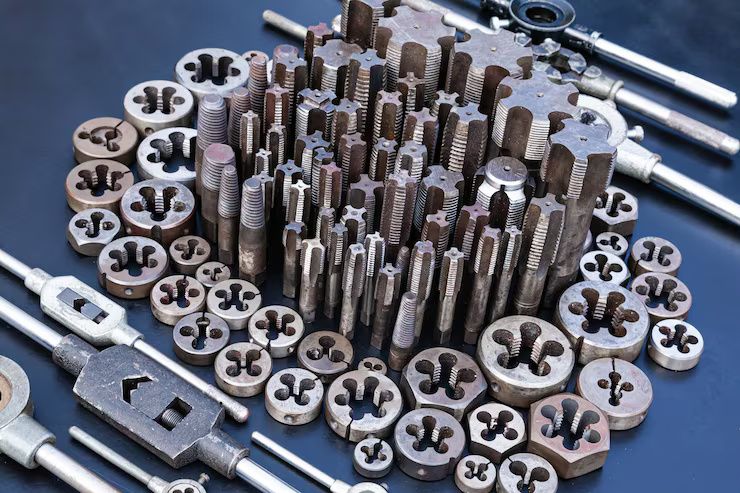
Industrial fasteners are mechanical components used to join, secure, or assemble two or more parts together. They exist to create stable, reliable connections in machines, structures, and systems where permanent or semi-permanent joints are required. Unlike welding or adhesives, fasteners allow parts to be assembled, adjusted, or disassembled when necessary, making them essential in modern engineering and manufacturing.
Industrial fasteners are essential components used to join materials in construction, automotive, aerospace, energy, and manufacturing industries. Their design has evolved to meet increasing demands for strength, durability, and resistance to environmental conditions.
Modern fasteners are engineered with precise thread patterns, material properties, and strength grades to ensure reliable performance in complex systems.
Importance: Why Industrial Fasteners Matter Today
Industrial fasteners play a crucial role in ensuring safety and structural integrity. Even a single fastener failure can impact the entire system.
Key Reasons for Importance
- Increased use of high-load and vibration-prone machinery
- Emphasis on structural safety and compliance
- Expansion of infrastructure and renewable energy projects
- Demand for precision in modern manufacturing
Fasteners help maintain alignment, distribute loads, and support safe assembly across industries.
Types of Industrial Fasteners and Their Functions
Industrial fasteners are categorized based on their application and design. Each type serves a specific purpose.
Common Fastener Types
- Bolts and nuts for high-strength connections
- Screws for threaded fastening
- Washers for load distribution
- Studs for fixed threaded connections
- Rivets for permanent joints
Fastener Types and Applications
| Fastener Type | Primary Function | Typical Applications |
|---|---|---|
| Hex Bolt | High-strength fastening | Structural assemblies |
| Socket Screw | Precision fastening | Machinery components |
| Flat Washer | Load distribution | Metal joints |
| Stud | Fixed connection | Engines and pressure systems |
| Rivet | Permanent fastening | Sheet metal assemblies |
Understanding these types ensures correct selection for different requirements.
Materials Used in Industrial Fasteners
Material selection determines strength, corrosion resistance, and durability.
Common Materials
- Carbon steel for general strength
- Alloy steel for high-stress conditions
- Stainless steel for corrosion resistance
- Aluminum for lightweight applications
- Brass and bronze for specialized uses
Material Characteristics
| Material | Relative Strength | Corrosion Resistance |
|---|---|---|
| Carbon Steel | High | Low |
| Alloy Steel | Very High | Low |
| Stainless Steel | Moderate | High |
| Aluminum | Low | Moderate |
| Brass | Low | High |
The correct material ensures reliable performance in specific environments.
Recent Updates: Trends and Developments
Industrial fastener technology continues to evolve with industry demands.
Key Trends
- Increased demand for high-strength fasteners in renewable energy
- Adoption of standardized metric fasteners
- Improved coating technologies for corrosion resistance
- Enhanced traceability and quality certification
These developments improve durability, safety, and consistency in industrial applications.
Laws and Policies Affecting Industrial Fasteners
Industrial fasteners must comply with engineering standards and safety regulations.
Key Regulatory Areas
- Standards defining dimensions and strength grades
- Workplace safety regulations
- Construction and infrastructure codes
- Quality certification requirements
Compliance ensures reliable performance and reduces the risk of structural failure.
Tools and Resources for Fastener Selection
Various tools help engineers select and apply fasteners correctly.
Helpful Tools and Resources
- Fastener size and thread charts
- Torque calculation tables
- Material compatibility guides
- Engineering handbooks
- Testing and inspection standards
Torque Reference by Fastener Size
| Fastener Size | Typical Torque Range | Application Type |
|---|---|---|
| M6 | Low | Light assemblies |
| M10 | Medium | Machinery components |
| M16 | High | Structural joints |
These tools support accurate assembly and reduce failure risks.
FAQs: Common Questions About Industrial Fasteners
What is the difference between a bolt and a screw?
A bolt is used with a nut, while a screw forms threads directly into material or a threaded hole.
Why is material selection important?
Material affects strength, corrosion resistance, and environmental suitability.
How do washers improve performance?
They distribute load and prevent surface damage or loosening.
Are fasteners interchangeable?
No, they vary in size, strength, and thread type based on application requirements.
What causes fastener failure?
Common causes include incorrect torque, corrosion, fatigue, and improper material selection.
Conclusion
Industrial fasteners are fundamental components in modern engineering and manufacturing systems. Their proper selection and application ensure safety, durability, and structural stability.
Recent trends emphasize improved materials, standardization, and quality control, while regulations ensure compliance and reliability.
Understanding industrial fasteners helps improve assembly accuracy, reduce risks, and support long-term system performance across industries.