Industrial facilities rely on precise control systems to manage the movement of gases safely and efficiently. Whether used in manufacturing plants, power generation facilities, chemical processing operations, healthcare environments, or energy infrastructure, gas flow control is a critical part of daily operations. One of the most important components within these systems is the industrial gas valve.
Industrial Gas Valves help regulate, direct, start, stop, and control the flow of gases through pipelines and processing equipment. Although these components may appear simple from the outside, they play a significant role in maintaining operational efficiency, process stability, and workplace safety.
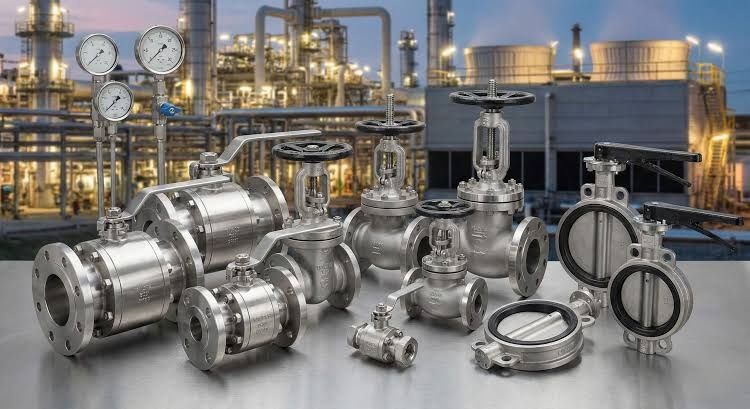
This guide explains the fundamentals of Industrial Gas Valves, their functions, common types, industrial applications, key components, maintenance considerations, and emerging technologies shaping modern gas control systems.
What Are Industrial Gas Valves?
Industrial Gas Valves are mechanical devices designed to control the movement of gases through pipes, tanks, cylinders, and industrial systems.
Their primary functions include:
Starting gas flow
Stopping gas flow
Regulating pressure
Controlling flow rates
Directing gas movement
Isolating sections of a system
Valves are used in systems handling gases such as:
Natural gas
Oxygen
Nitrogen
Hydrogen
Carbon dioxide
Compressed air
Industrial process gases
Without proper valve control, industrial gas systems would be difficult to manage safely and effectively.
Why Industrial Gas Valves Are Important
Gas systems often operate under controlled pressure conditions and require precise flow management.
Industrial Gas Valves help organizations:
Maintain operational efficiency
Control gas distribution
Protect equipment
Support process consistency
Enhance workplace safety
Manage pressure conditions
These functions make valves essential components in many industrial environments.
How Industrial Gas Valves Work
Gas valves regulate flow by opening, closing, or partially restricting pathways inside piping systems.
When a valve is opened:
Gas moves through the pipeline.
Flow continues according to system pressure and operational settings.
When a valve is partially opened:
Flow can be adjusted to a desired level.
When a valve is closed:
Gas movement stops.
Different valve designs achieve these functions through various mechanical mechanisms.
Main Components of Industrial Gas Valves
Although valve designs vary, many include similar core components.
Valve Body
The valve body forms the main structure that contains the internal flow pathway.
It is designed to withstand pressure and environmental conditions within industrial systems.
Actuator
The actuator controls valve movement.
Actuators may be:
Manual
Pneumatic
Electric
Hydraulic
The actuator determines how the valve opens and closes.
Stem
The stem connects the actuator to internal valve components.
It transfers motion that controls flow regulation.
Seat
The valve seat creates a sealing surface that helps stop gas flow when the valve is closed.
Disc or Plug
The disc or plug moves within the valve to regulate or block gas movement.
Together, these components allow valves to perform flow control functions effectively.
Common Types of Industrial Gas Valves
Different applications require different valve designs.
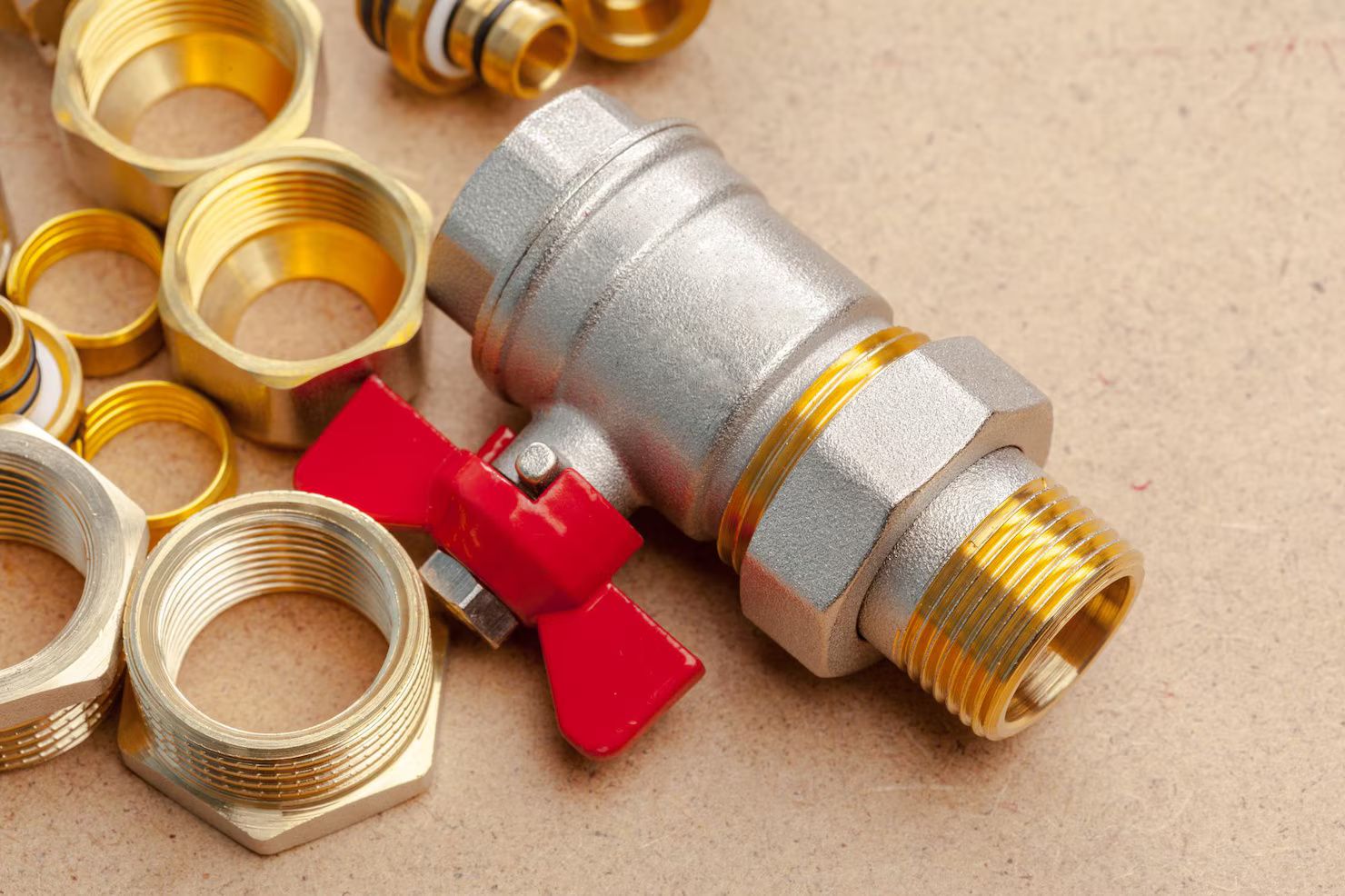
Ball Valves
Ball valves use a rotating ball with an internal opening to control gas flow.
Characteristics include:
Quick operation
Reliable shutoff
Simple design
These valves are commonly used for isolation purposes.
Gate Valves
Gate valves control flow through the movement of a gate-like component.
They are often used when:
Full flow is required
Complete shutoff is needed
Gate valves are common in larger industrial pipelines.
Globe Valves
Globe valves are designed for precise flow regulation.
Industries use them when accurate control is important.
Applications often include:
Pressure regulation
Flow adjustment
Process control systems
Butterfly Valves
Butterfly valves use a rotating disc to regulate flow.
Advantages include:
Compact design
Efficient operation
Suitable for large pipe systems
These valves are frequently used in utility and industrial facilities.
Check Valves
Check valves allow gas to flow in one direction only.
Their purpose is to prevent reverse flow within a system.
This function helps protect equipment and maintain system stability.
Applications of Industrial Gas Valves
Industrial Gas Valves are used across numerous sectors.
Manufacturing Facilities
Manufacturing operations use gas valves for:
Production processes
Equipment operation
Utility systems
Compressed air networks
Precise control helps maintain production efficiency.
Energy and Power Generation
Power facilities often utilize gas systems for energy production.
Valves support:
Fuel delivery
Pressure management
System isolation
Safety controls
Reliable valve performance is essential in these environments.
Chemical Processing
Chemical plants frequently manage multiple gas streams.
Valves help regulate:
Process gases
Pressure levels
Flow distribution
Accurate control contributes to process consistency and safety.
Healthcare Facilities
Medical environments use gases for various applications.
Examples include:
Oxygen systems
Laboratory equipment
Medical gas distribution networks
Valve reliability is particularly important in healthcare settings.
Flow Control and Pressure Management
Flow control is one of the primary purposes of industrial gas valves.
Proper flow management helps:
Maintain stable operations
Improve efficiency
Protect equipment
Support process accuracy
Pressure management is equally important.
Industrial systems often require specific pressure levels to operate safely and effectively.
Valves assist by regulating pressure throughout gas distribution networks.
Safety Considerations
Gas systems require careful attention to safety.
Industrial Gas Valves contribute to safety by:
Isolating equipment
Preventing uncontrolled flow
Supporting emergency shutdown procedures
Managing pressure conditions
Additional safety measures may include:
Routine inspections
Leak detection systems
Pressure monitoring
Operator training
Combining valve reliability with comprehensive safety practices helps reduce operational risks.
Maintenance of Industrial Gas Valves
Regular maintenance supports long-term valve performance.
Typical maintenance activities include:
Inspection
Routine inspections help identify:
Wear
Corrosion
Leakage
Mechanical damage
Cleaning
Cleaning removes contaminants that may affect valve operation.
Seal Replacement
Seals may require replacement over time to maintain effective performance.
Functional Testing
Testing helps verify that valves open, close, and regulate flow correctly.
Preventive maintenance helps reduce downtime and improve operational reliability.
Materials Used in Industrial Gas Valves
Valve materials vary depending on operating conditions.
Common materials include:
Stainless steel
Carbon steel
Brass
Bronze
Specialized alloys
Material selection depends on factors such as:
Pressure requirements
Temperature conditions
Gas compatibility
Environmental exposure
Choosing appropriate materials helps support durability and performance.
Technology Trends in Gas Valve Systems
Industrial gas systems continue evolving through technological innovation.
Smart Valves
Smart valves incorporate sensors and monitoring capabilities.
These systems can provide information about:
Flow rates
Pressure conditions
Operational status
Automation Integration
Automated control systems improve operational efficiency and consistency.
Predictive Maintenance
Data analytics help identify potential maintenance needs before failures occur.
Remote Monitoring
Digital technologies allow operators to monitor valve performance from centralized control locations.
These innovations support more efficient industrial operations.
Future Outlook for Industrial Gas Valves
As industries continue adopting automation and digital technologies, valve systems are becoming increasingly sophisticated.
Future developments may focus on:
Enhanced monitoring capabilities
Improved energy efficiency
Greater automation integration
Advanced materials
Expanded predictive analytics
These trends are expected to improve reliability and operational visibility across industrial gas systems.
Conclusion
Industrial Gas Valves are essential components in modern gas distribution and process control systems. They regulate flow, manage pressure, support safety procedures, and help maintain operational efficiency across industries such as manufacturing, energy, healthcare, and chemical processing.
Understanding valve types, operating principles, maintenance requirements, and technological advancements can help organizations manage industrial gas systems more effectively. As automation and smart technologies continue advancing, industrial gas valves will remain a critical part of efficient and reliable industrial operations.