Industrial development relies on a wide range of materials that help power manufacturing, processing, construction, energy production, agriculture, and countless other sectors.
Among these materials, Industrial Chemicals play a vital role in supporting production efficiency, product quality, equipment maintenance, and process optimization. From water treatment and metal processing to plastics manufacturing and pharmaceutical production, industrial chemicals are essential components of modern industrial operations.
As industries continue to evolve through automation, sustainability initiatives, and advanced manufacturing technologies, the demand for specialized chemical solutions continues to grow. Understanding the role of industrial chemicals can help businesses, students, and industry professionals appreciate how these materials contribute to modern industrial systems.
Note: Industrial chemicals vary significantly in composition, application, handling requirements, and regulatory classifications. This article is intended for educational purposes only. Chemical selection, storage, transportation, and usage should always follow applicable regulations, safety guidelines, and manufacturer instructions.
What Are Industrial Chemicals?
Industrial Chemicals are chemical substances used in manufacturing, processing, maintenance, treatment, and production activities across various industries. These chemicals may serve as raw materials, processing agents, cleaning compounds, catalysts, additives, or treatment solutions.
Industrial chemicals can be used for:
Manufacturing processes
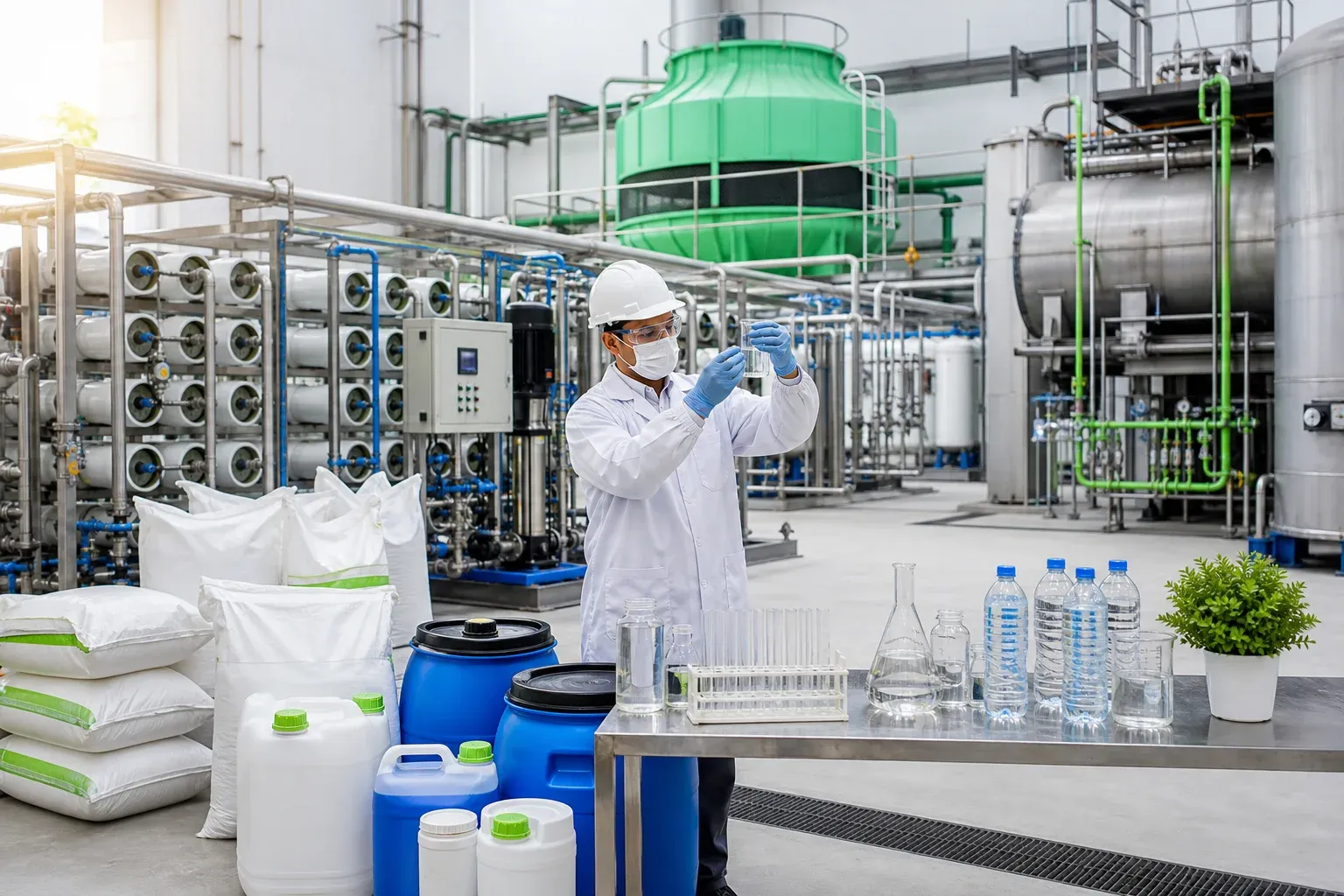
Water treatment
Metal finishing
Energy production
Food processing
Pharmaceutical production
Textile manufacturing
Construction applications
The specific characteristics and uses depend on the chemical's composition and intended purpose.
Why Industrial Chemicals Matter
Modern industries depend on chemical technologies to support efficient and consistent operations.
Potential benefits include:
Improved production efficiency
Enhanced product quality
Better process control
Equipment maintenance support
Increased manufacturing consistency
Resource optimization
Improved treatment and purification processes
Support for industrial innovation
Results depend on proper chemical selection and application.
Major Categories of Industrial Chemicals
Industrial chemicals are available in many forms and serve diverse purposes.
Process Chemicals
Used directly within manufacturing and production operations.
Water Treatment Chemicals
Help improve water quality for industrial processes and environmental compliance.
Cleaning Chemicals
Support equipment cleaning, maintenance, and contamination control.
Specialty Chemicals
Designed for specific industrial applications and performance requirements.
Chemical Additives
Used to enhance product properties or improve processing efficiency.
Surface Treatment Chemicals
Applied to materials to improve durability, appearance, or performance.
Each category supports different industrial objectives.
Applications Across Industries
Industrial chemicals are used in a broad range of sectors.
Manufacturing
Support production processes, material preparation, and product finishing.
Energy and Utilities
Assist in fuel processing, power generation, and water treatment operations.
Construction
Contribute to materials development, coatings, and infrastructure projects.
Agriculture
Support crop production, irrigation systems, and processing activities.
Healthcare and Pharmaceuticals
Used in research, production, and quality control environments.
Food Processing
Assist with sanitation, processing, and quality assurance procedures.
Industry-specific regulations often influence chemical usage requirements.
Industrial Chemicals and Process Efficiency
Chemical technologies help improve operational performance in many environments.
Process Optimization
Specialized formulations can support more consistent manufacturing outcomes.
Equipment Protection
Certain chemicals help reduce corrosion, scaling, and equipment wear.
Quality Control
Chemical solutions contribute to product consistency and process stability.
Resource Management
Some applications support efficient use of water, energy, and raw materials.
These factors contribute to overall operational effectiveness.
Safety and Handling Considerations
Industrial chemicals require responsible handling practices.
Important considerations include:
Following safety data sheet (SDS) guidance
Using appropriate personal protective equipment (PPE)
Proper storage procedures
Employee training programs
Regulatory compliance
Spill prevention measures
Safe transportation practices
Emergency response planning
Safety should remain a priority throughout the chemical lifecycle.
Industrial Chemicals Overview
| Category | Common Purpose |
|---|---|
| Process Chemicals | Support manufacturing operations |
| Water Treatment Chemicals | Improve water quality |
| Cleaning Chemicals | Maintain equipment cleanliness |
| Specialty Chemicals | Address specific industrial needs |
| Additives | Enhance product performance |
| Surface Treatment Chemicals | Improve material characteristics |
Sustainability and Environmental Considerations
Many industries are working to improve environmental performance through responsible chemical management.
Examples include:
Resource-efficient production methods
Waste reduction initiatives
Water conservation technologies
Emissions management programs
Chemical recycling efforts
Environmentally conscious formulations
Energy efficiency improvements
Sustainable manufacturing strategies
Environmental goals continue to influence chemical innovation.
Current Trends in Industrial Chemicals
The industrial sector is adopting advanced technologies and sustainable practices.
Recent developments include:
Green chemistry initiatives
Advanced material development
Smart manufacturing integration
Automated chemical monitoring systems
Digital process optimization
Predictive maintenance technologies
Sustainable chemical formulations
Artificial intelligence-assisted process control
These innovations are helping industries improve efficiency and environmental performance.
Looking Ahead
The future of Industrial Chemicals is expected to include increased focus on sustainability, enhanced process automation, advanced material science, and smarter manufacturing systems. As industries seek greater efficiency and environmental responsibility, chemical technologies will continue to evolve to support changing operational requirements.
Why Understanding Industrial Chemicals Matters
Understanding Industrial Chemicals helps industry professionals, students, and decision-makers recognize the critical role chemical technologies play in modern manufacturing and industrial processes. Knowledge of chemical applications, safety practices, and emerging trends can support informed operational and strategic decisions.
Conclusion
Industrial Chemicals are fundamental to modern manufacturing, processing, treatment, and industrial operations. They support production efficiency, product quality, equipment maintenance, and process optimization across a wide range of industries. As technological advancements and sustainability goals continue to shape industrial development, chemical solutions will remain essential components of efficient and innovative industrial systems.