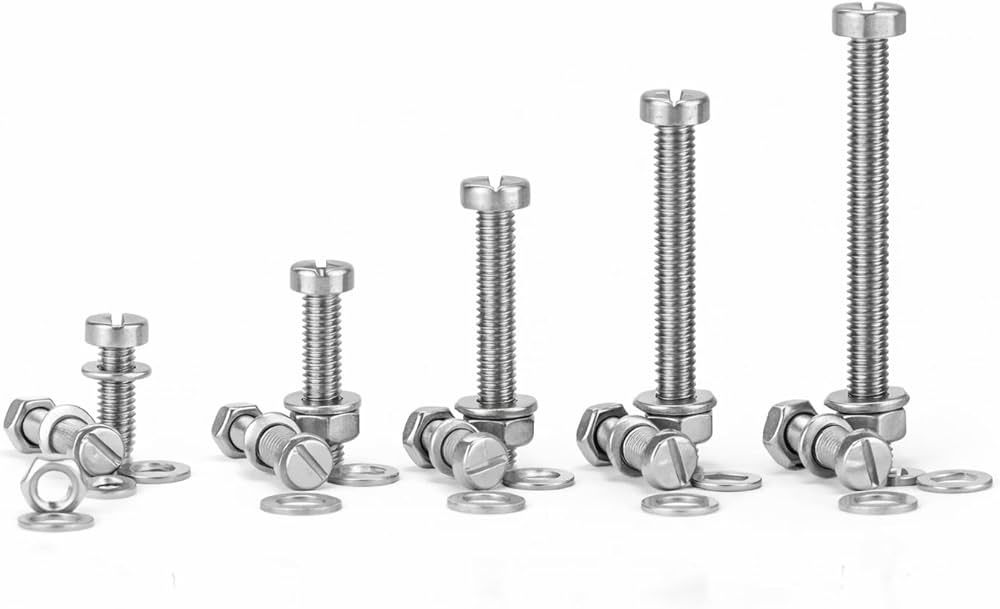
Industrial screws are essential components used to join materials securely in a wide range of applications. They belong to a broader category known as industrial fasteners, which includes bolts, nuts, and other threaded fasteners. Screws are designed with a helical thread that allows them to be driven into materials, creating a firm and lasting connection.
The use of screws dates back to early mechanical development, where simple threaded designs were used in tools and machinery. Over time, advancements in screw manufacturing have led to a wide variety of designs, materials, and applications. Today, industrial screws are used in construction, manufacturing, automotive systems, and household equipment.
Understanding industrial screws, including types of industrial screws and screw materials, helps explain how they function in different environments. Their design allows for both strong fastening and easy removal when required.
Importance
Industrial screws are important because they provide reliable and adjustable connections between components. Unlike permanent joining methods, screws allow for disassembly and maintenance, making them suitable for systems that require regular inspection.
They are used in everyday products as well as large-scale industrial systems. From assembling furniture to securing heavy machinery, screw applications are widespread. The role of industrial hardware in maintaining structural stability is critical across multiple sectors.
The importance of industrial screws can be understood through several aspects. Structural support helps hold materials together under load, maintenance flexibility allows components to be replaced or adjusted, and compatibility with various materials makes screws suitable for wood, metal, and plastic.
In the automotive and manufacturing sectors, threaded fasteners ensure that parts remain secure under vibration and stress. This makes them essential for both safety and performance.
Types of Industrial Screws
There are many types of industrial screws, each designed for specific uses and materials.
Machine Screws
Machine screws are used with pre-threaded holes or nuts. They are common in metal assemblies and precision equipment.
Self-Tapping Screws
Self-tapping screws create their own threads when driven into materials. They are widely used in metal and plastic applications.
Wood Screws
Wood screws are designed for use in wooden materials. Their thread pattern allows for strong grip without damaging the structure.
Sheet Metal Screws
These screws are used to join thin metal sheets. They often have sharp threads for easy penetration.
Socket Head Screws
Socket head screws are used in applications requiring high strength. They are commonly found in machinery and industrial equipment.
Screw Materials
The choice of screw materials affects strength, durability, and resistance to environmental conditions.
Steel Screws
Steel is one of the most common materials used in industrial screws. It provides strength and is suitable for general-purpose applications.
Stainless Steel Screws
Stainless steel screws are known for their resistance to corrosion. They are used in environments exposed to moisture or chemicals.
Brass Screws
Brass screws are used where electrical conductivity and corrosion resistance are important.
Aluminum Screws
Aluminum screws are lightweight and used in applications where reducing weight is necessary.
Coated Screws
Some screws are coated with protective layers to improve durability and resistance to wear.
Comparison of Screw Materials
| Material | Key Property | Common Use Case | Durability Level |
|---|---|---|---|
| Steel | High strength | General industrial use | High |
| Stainless Steel | Corrosion resistance | Outdoor and moist conditions | High |
| Brass | Conductivity | Electrical components | Medium |
| Aluminum | Lightweight | Lightweight structures | Medium |
| Coated Metals | Surface protection | Harsh environments | Medium to high |
Screw Applications
Screw applications vary widely across industries and daily life.
Construction Use
Industrial screws are used to assemble structures, secure panels, and connect materials in building projects.
Automotive Use
In vehicles, threaded fasteners are used to hold engine parts, body panels, and interior components.
Manufacturing Use
Factories use industrial screws in machinery assembly and production systems. They ensure components remain aligned and secure.
Household Use
In homes, screws are used in furniture assembly, appliances, and repair tasks.
Recent Updates
Recent developments in industrial screws focus on improving durability, precision, and efficiency. Advanced manufacturing techniques are allowing more consistent thread designs and stronger materials.
There is also increased use of corrosion-resistant coatings, especially in environments exposed to moisture or chemicals. Smart manufacturing processes are integrating automation to improve the production of industrial hardware.
Another trend is the development of specialized screws designed for specific industries, such as electronics and lightweight structures. These changes reflect the evolving needs of modern engineering and construction.
Laws or Policies
Industrial screws and fasteners are subject to standards that ensure quality and safety.
Quality Standards
Manufacturers must follow standardized specifications for size, strength, and threading. These standards ensure compatibility across different systems.
Safety Regulations
Fasteners used in critical applications must meet safety requirements to prevent failure under stress.
Environmental Guidelines
Production and disposal of industrial hardware may be regulated to reduce environmental impact. This includes material selection and recycling practices.
These regulations help maintain reliability and consistency in screw manufacturing and usage.
Tools and Resources
Various tools and resources support the use and understanding of industrial screws.
Measurement Tools
Calipers and gauges are used to measure thread size and diameter accurately.
Design Software
Engineering software helps design threaded fasteners and simulate their performance.
Material Selection Guides
Reference materials assist in choosing suitable screw materials based on application needs.
Maintenance Guides
Guidelines provide information on proper installation, tightening, and inspection of screws.
FAQs
What are industrial screws used for?
Industrial screws are used to join materials securely in construction, manufacturing, automotive systems, and household applications.
What are the main types of industrial screws?
The main types of industrial screws include machine screws, self-tapping screws, wood screws, sheet metal screws, and socket head screws.
Which screw materials are commonly used?
Common screw materials include steel, stainless steel screws, brass, and aluminum, each suited for different conditions.
How do threaded fasteners work?
Threaded fasteners work by creating a helical grip between the screw and the material, allowing secure and adjustable connections.
Where are industrial fasteners commonly applied?
Industrial fasteners are used in construction, automotive systems, machinery, and everyday household items.
Conclusion
Industrial screws are fundamental components used to secure materials across a wide range of applications. Different types of industrial screws and screw materials are designed to meet specific requirements. Their role in providing stable and adjustable connections makes them essential in both industrial and everyday settings. As manufacturing and material technologies evolve, industrial screws continue to adapt to new demands and environments.