Water quality plays a critical role in manufacturing, food production, pharmaceuticals, energy plants, and heavy industry. Many operations depend on clean process water for cooling, washing, steam generation, chemical mixing, or product consistency. When water quality is poor, equipment wear, downtime, and product defects can rise quickly.
Many people don’t realize that industrial water purify systems are not simply oversized household filters. Industrial environments deal with scale, contamination complexity, regulatory requirements, and continuous operating pressure. The wrong system may remove one issue while creating another through waste, maintenance, or reduced flow performance.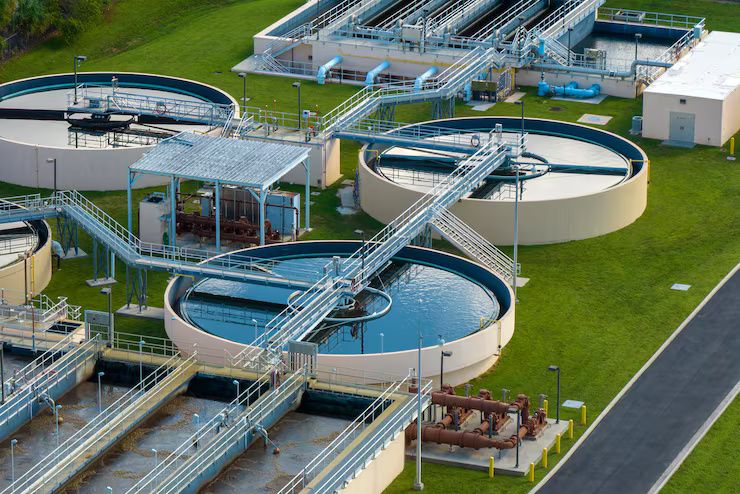
This industrial water purify guide explains how industrial purification works, common system options, decision factors, process stages, and future trends shaping water treatment across modern facilities.
What Industrial Water Purify Means
Industrial water purify refers to the treatment and conditioning of water used in commercial or manufacturing environments. The goal is to remove unwanted particles, chemicals, microbes, hardness minerals, or dissolved solids so water becomes suitable for a specific industrial use.
This matters because different industries need different water standards. Boiler systems may require low mineral content, while food plants may prioritize hygiene and taste neutrality. Electronics manufacturing may need extremely pure water with tight conductivity control.
In real-world operations, the same source water can behave differently depending on season, location, and usage volume. That is why system design usually starts with water testing rather than equipment selection alone.
Why Clean Water Matters in Industry
Poor water quality can quietly damage operations before obvious failure appears.
Scale buildup inside pipes and heat exchangers may reduce efficiency. Suspended solids can clog nozzles or membranes. Biological contamination may create odor, slime, or compliance concerns. Chemical imbalance may shorten equipment life.
This matters financially because water problems often create indirect costs: maintenance labor, production delays, rejected batches, and higher energy use.
For example, a cooling tower using untreated hard water may continue running, but energy performance can drop over time as scaling reduces heat transfer efficiency.
Common Industrial Water Purify Systems
Media Filtration Systems
These systems use sand, carbon, or multi-layer media to remove suspended particles, sediment, and some organic matter.
They often work well as first-stage treatment where incoming water contains visible solids or turbidity.
Reverse Osmosis Systems
Reverse osmosis uses pressure and membranes to remove dissolved salts, minerals, and many contaminants.
This is common where higher purity water is required for boilers, food processing, or manufacturing consistency.
UV and Disinfection Systems
Ultraviolet treatment or chemical dosing helps control microbial contamination.
These systems matter when hygiene, storage safety, or reuse water quality is important.
Water Softening Systems
Softening reduces hardness minerals such as calcium and magnesium.
In real-world facilities, this can protect boilers, heaters, and wash systems from scale buildup.
How the Industrial Water Purify Process Works
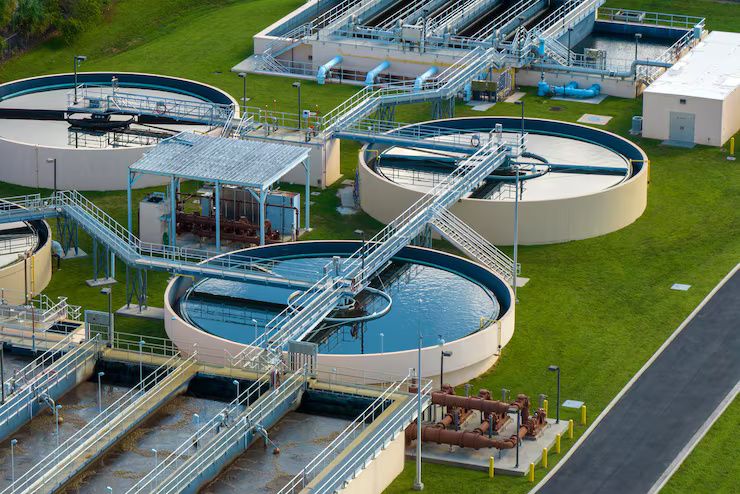
Most facilities use multi-stage treatment rather than a single machine.
- Pre-treatment removes large particles and sediment.
- Primary treatment targets hardness, organics, or dissolved solids.
- Polishing stage improves final quality using membranes, UV, or specialty media.
- Storage and distribution maintain treated water quality before use.
- Monitoring and maintenance ensure stable performance.
The real difference appears when systems are designed as a process chain. A strong pre-treatment stage can extend membrane life and reduce long-term operating cost.
Industrial Water Purify Comparison: Which System Fits Best?
| System Type | Best For | Main Benefit | Trade-Off |
|---|---|---|---|
| Media Filter | Sediment removal | Lower cost pre-treatment | Limited dissolved solid removal |
| Reverse Osmosis | High purity needs | Strong contaminant reduction | Higher maintenance |
| UV System | Microbial control | Chemical-free disinfection | Needs clear water feed |
| Softener | Hard water control | Scale prevention | Salt regeneration required |
This comparison shows there is no universal best industrial water purify system.
It depends on water source quality, output target, operating hours, and maintenance capacity.
Decision Guide: Choosing the Best Industrial Water Purify Setup
Choosing the best industrial water purify setup usually starts with source water analysis.
A facility using municipal water may need different treatment than a plant using borewell or recycled process water. If hardness is the main issue, a softener may be enough. If dissolved solids affect production, reverse osmosis tends to work when purity is the priority.
One overlooked factor is flow demand during peak hours. A system that performs well in testing may struggle when production lines run at full capacity.
In many cases, the best solution is not the most complex one. It is the setup that balances quality target, maintenance reality, and operating cost.
Real-World Use Cases Across Industries
Food plants often use purified water for washing, ingredient mixing, and sanitation consistency.
Textile operations may use treated water to improve dye stability and reduce spotting issues.
Pharmaceutical sites require tighter purity control because water quality directly affects process reliability.
Metal finishing plants may need cleaner rinse water to improve surface quality.
These examples show that industrial water purify performance depends on application, not only technology.
Common Mistakes to Avoid
Many facilities focus only on purchase price and ignore lifetime operating cost.
Another common mistake is skipping feed water testing. Without accurate input data, system sizing can be wrong from the beginning.
Some plants also neglect maintenance schedules. Even strong systems lose performance when filters, membranes, or sensors are not serviced on time.
The real difference appears when planning includes both installation cost and long-term uptime.
Future Trends in Industrial Water Purify
Industrial water treatment is moving toward automation, reuse, and data-driven monitoring.
Sensors now track conductivity, pressure drop, and flow in real time. Smart alerts can reduce unplanned shutdowns. Water reuse systems are also growing as industries face rising utility costs and sustainability pressure.
Future industrial water purify systems may focus less on simple treatment and more on resource efficiency.
FAQ
1. What is industrial water purify used for?
It is used to improve water quality for manufacturing, boilers, cooling, washing, and production processes.
2. Which system is best for hard water?
Water softening often works well when hardness minerals are the main issue.
3. Is reverse osmosis necessary for every factory?
No. It depends on purity target, source water quality, and process needs.
4. Why is water testing important first?
Testing helps match the treatment system to actual contamination levels.
5. Can industries reuse treated water?
Yes, many facilities now recycle treated water to reduce cost and waste.
Conclusion
Industrial water purify systems are essential for protecting equipment, improving efficiency, and supporting reliable production quality. From filtration to reverse osmosis, each solution serves a different operational need.
Many people don’t realize that the best industrial water purify strategy often begins with accurate testing and realistic demand planning rather than buying the biggest system available. When treatment design matches process goals, performance and savings usually improve together.
As automation and reuse technology grow, smarter water treatment may become one of the most valuable hidden upgrades inside modern industry.