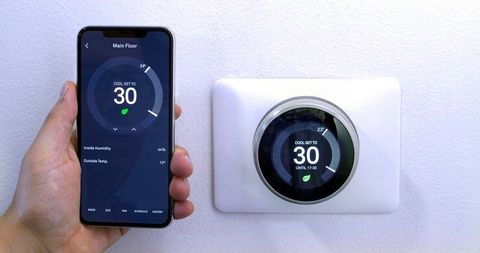
IoT-enabled fire alarm systems use connected sensors, communication networks, and monitoring software to identify possible fire conditions and communicate alerts. IoT stands for the Internet of Things, a network of physical devices that collect and exchange information through digital connections.
Traditional fire alarm systems generally use smoke detectors, heat detectors, manual call points, control panels, and audible or visual alarms. Connected systems can add remote notifications, equipment status reporting, event records, and integration with building management platforms.
These technologies are used in residential buildings, offices, hotels, hospitals, warehouses, factories, educational institutions, and other facilities where early fire detection is important.
Understanding Connected Fire Detection
An IoT-enabled fire alarm system typically combines detection equipment with a control panel, communication technology, and software that presents information to authorized users.
Depending on the design, sensors may detect smoke, unusual heat, or other indicators associated with a developing fire. The system evaluates these signals and activates the appropriate local alarms according to its configuration.
Connected communication equipment can also transmit system events to a designated monitoring platform or mobile application. This allows authorized personnel to review alerts when they are away from the building.
Common components include:
Smoke detectors: Identify airborne particles associated with smoke.
Heat detectors: Respond to specified temperature conditions or temperature increases.
Manual call points: Allow occupants to initiate an alarm.
Fire alarm control panels: Coordinate detection inputs, alarm outputs, and system supervision.
Communication gateways: Transmit relevant system information over approved networks.
Notification devices: Provide audible, visual, or other approved warnings.
Monitoring software: Displays events, faults, and equipment status.
Backup power: Supports operation during interruptions to the main electricity supply.
The exact configuration depends on building size, occupancy, fire risks, local regulations, and the required level of monitoring.
How an IoT-Enabled Fire Alarm Works
The process generally begins when a detector identifies a condition that meets its alarm threshold. The signal is transmitted to the fire alarm control panel, which processes the input and activates configured notification devices.
Where connected monitoring is included, a communication gateway can also send information to an authorized dashboard or remote monitoring platform.
A typical sequence includes:
Detection: A smoke or heat sensor identifies a possible fire condition.
Signal processing: The control panel evaluates the detector input.
Local warning: The system activates the required alarms and notification devices.
Remote communication: Connected equipment transmits an alert when configured to do so.
Response: Occupants follow the building's emergency procedures, while designated personnel assess the notification and contact emergency responders when appropriate.
Event recording: The system stores relevant alarm, fault, and supervisory events for later review.
Remote notifications are an additional communication feature, not a replacement for compliant local alarms or established emergency procedures.
Why IoT-Enabled Fire Alarm Systems Matter
Fire detection is important because a fire can develop rapidly and create dangerous conditions before occupants recognize the risk. Connected technology can help communicate alarm events, identify equipment faults, and provide additional information to people responsible for building safety.
Faster Awareness and Communication
A connected fire alarm system can notify designated personnel when an alarm or fault occurs. Depending on the configuration, notifications may reach a building manager's dashboard, a monitoring center, or an authorized mobile application.
This can be particularly useful in large buildings, multiple-site facilities, and locations that are not continuously occupied.
However, internet connectivity does not guarantee that every alert will arrive immediately. Network interruptions, device failures, incorrect configurations, and power problems can affect communication.
Building Management and Maintenance
IoT-enabled fire detection can provide information about equipment conditions and system events. This helps authorized personnel identify faults and organize inspections.
Potential benefits include:
Centralized visibility across multiple buildings
Remote awareness of alarm and fault events
Historical records for incident reviews
Easier identification of recurring equipment problems
Better coordination between building management teams
Integration with selected building monitoring platforms
Connected monitoring must complement, rather than replace, required inspections, testing, maintenance, and physical safety procedures.
Applications Across Different Industries
Environment | Potential Application | Important Consideration |
|---|---|---|
Residential buildings | Connected smoke alarms | Reliable local warning |
Offices | Centralized alarm monitoring | Occupant notification |
Hospitals | Fire detection across multiple zones | Continuity and evacuation planning |
Warehouses | Detection in large storage areas | Layout and fire-load assessment |
Manufacturing facilities | Monitoring in higher-risk environments | Process-specific hazards |
Hotels | Coordinated building alarms | Clear evacuation procedures |
Educational institutions | Detection across classrooms and common areas | Accessible notification |
Recent Developments in Fire Alarm Technology
During 2025 and 2026, fire safety technology continued to develop around connected building systems, cybersecurity, device supervision, and the integration of detection equipment with digital building management platforms.
Connected Building Monitoring
Building management systems increasingly combine information from different technologies, including access control, environmental sensors, energy monitoring, and fire detection.
This integration can provide facility managers with a broader view of building conditions. Fire alarm functions must nevertheless remain appropriately supervised and separated from ordinary building automation functions where required by applicable codes.
Improved Sensor Analytics
Intelligent detectors and connected monitoring platforms can use sensor information to help distinguish normal environmental changes from potential fire conditions.
Some systems incorporate algorithms designed to reduce unwanted alarms or identify unusual patterns. Their performance depends on detector design, environmental conditions, installation quality, and system configuration.
Analytical features should not be treated as a substitute for approved detection equipment or required fire safety controls.
Cybersecurity and System Reliability
As fire alarm systems become more connected, cybersecurity has become an important consideration. Unauthorized access, weak credentials, insecure communication, and outdated software can create risks for connected building equipment.
Good practice includes controlled access, secure network configuration, supported software updates, monitoring of communication faults, and documented procedures for restoring systems after an outage.
Standards and Digital Integration
Fire alarm manufacturers and building operators continue to work within established fire detection standards while adapting to connected technologies. Standards such as the NFPA 72 National Fire Alarm and Signaling Code in the United States address fire alarm system design, installation, testing, inspection, and maintenance.
The applicable edition depends on local adoption and project requirements. Newer connected features do not automatically establish compliance with the relevant fire code.
Laws, Regulations, and Safety Standards
Fire alarm requirements vary by country, state, municipality, building type, and occupancy classification. A connected system must meet the applicable requirements for detection, notification, installation, testing, and maintenance.
Fire Safety Regulations in India
In India, fire safety requirements may be governed by state and local fire authorities, building regulations, and applicable national standards.
The National Building Code of India 2016, published by the Bureau of Indian Standards, includes provisions relevant to fire and life safety. Requirements depend on building occupancy, height, layout, and other characteristics.
Depending on the project, relevant requirements may include:
Fire detection and alarm coverage
Audible and visual notification
Emergency exits and evacuation routes
Emergency power arrangements
Inspection and maintenance
Fire safety approvals and certificates
Coordination with other fire protection systems
Building owners and project designers should verify current requirements with the relevant local fire authority and qualified fire safety professionals. Requirements may differ between jurisdictions and building categories.
United States Fire Safety Standards
In the United States, NFPA 72 provides widely used requirements for fire alarm and signaling systems. Building codes, local amendments, and authority-having-jurisdiction decisions determine which provisions apply to a particular project.
Equipment may also need to meet relevant product certification requirements. Wireless connectivity or cloud monitoring alone does not demonstrate that an entire fire alarm installation complies with the applicable code.
Data Security and Privacy
Connected fire alarm platforms may collect device identifiers, alarm histories, fault records, and user account information. Organizations should restrict access to authorized personnel and establish appropriate retention and security practices.
Where personal information is processed, applicable privacy and data protection requirements must also be considered.
Installation and Maintenance
Fire alarm systems should be designed, installed, commissioned, and maintained by appropriately qualified personnel.
Routine activities may include detector testing, notification-device checks, backup-power inspections, communication-path verification, fault review, and maintenance documentation.
Occupants must also understand alarm signals, evacuation routes, assembly points, and emergency procedures.
Tools and Resources for Planning
Several technical resources can support the evaluation and management of connected fire detection systems.
Fire Alarm Design Documentation
A project specification can record the building layout, occupancy, fire risks, detector locations, alarm zones, notification requirements, backup power, and communication arrangements.
Useful documents include:
Building floor plans
Detector and notification-device schedules
Fire alarm cause-and-effect matrices
Commissioning records
Inspection and maintenance logs
Emergency response procedures
Network and cybersecurity documentation
Monitoring Dashboards
A connected monitoring dashboard can display alarm events, device faults, communication status, and maintenance information. Access should be limited to authorized users, and notification arrangements should be tested periodically.
Equipment Selection Checklist
Evaluation Factor | What to Check |
|---|---|
Building occupancy | Type and number of occupants |
Detection technology | Suitable smoke, heat, or specialized detectors |
System architecture | Conventional, addressable, or approved wireless design |
Connectivity | Network availability and communication supervision |
Backup power | Required operating duration |
Alarm notification | Audible, visual, and accessible warnings |
Compatibility | Approved connections with other systems |
Maintenance | Testing procedures and inspection intervals |
Compliance | Applicable codes, standards, and approvals |
Emergency Planning Resources
Building managers can use evacuation diagrams, staff training materials, inspection checklists, and emergency contact procedures to support fire preparedness.
Official fire authorities, standards organizations, and equipment documentation should be consulted when developing these materials.
Frequently Asked Questions
What is an IoT-enabled fire alarm system?
It is a fire detection system that uses connected devices and communication technology to transmit alarm events, equipment status, or fault notifications to authorized users or monitoring platforms.
Can a smart fire alarm work without internet access?
Many compliant fire alarm systems can detect fires and activate local alarms without an internet connection. Remote notifications may stop working during a network outage, so the system should be designed with appropriate supervision and backup arrangements.
What is the difference between a traditional and an IoT-enabled fire alarm?
Both can detect fire conditions and activate local warnings. An IoT-enabled configuration adds connected monitoring features, such as remote notifications, centralized status information, and digital event records.
Are IoT fire alarm systems legally compliant by default?
No. Compliance depends on the complete system design, approved equipment, installation, commissioning, maintenance, and applicable local regulations. Connected features alone do not establish compliance.
How often should a connected fire alarm system be tested?
Testing frequency depends on the applicable regulations, system design, manufacturer instructions, and building requirements. Required inspections and tests should be documented and carried out by appropriately qualified personnel.
Conclusion
IoT-enabled fire alarm systems combine established fire detection technology with connected communication, remote monitoring, and digital event reporting. These features can improve awareness of alarm conditions and equipment faults across residential, commercial, industrial, and institutional buildings.
Their effectiveness depends on reliable detection, suitable notification devices, backup power, secure communications, correct installation, and regular maintenance. Internet connectivity should support fire safety rather than become a single point of failure.
As connected building technology develops, organizations should evaluate both the advantages of digital monitoring and the responsibilities associated with cybersecurity, system reliability, and regulatory compliance. A carefully designed and maintained fire alarm system, supported by clear evacuation procedures, remains essential to protecting people and property.