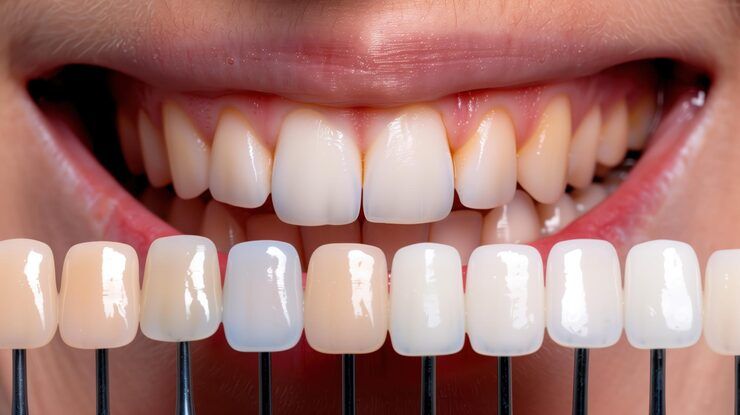
Teeth whitening is a dental procedure or cosmetic treatment designed to make natural teeth appear lighter by reducing certain stains and discoloration. It is a common part of cosmetic dentistry because tooth color can influence the appearance of a smile. However, teeth naturally vary in shade, and healthy teeth do not need to be perfectly white.
Understanding teeth whitening involves learning why teeth change color, which whitening methods are available, how treatments work, and what precautions help protect oral health. Some methods remove surface stains, while others use bleaching ingredients to lighten discoloration within the tooth structure.
The most appropriate approach depends on the cause of staining, existing dental conditions, tooth sensitivity, and the results a person hopes to achieve. A dentist can help determine whether whitening is suitable and identify conditions that should be addressed beforehand.
What Causes Teeth to Become Discolored?
Tooth discoloration generally falls into two categories: extrinsic stains and intrinsic discoloration.
Extrinsic stains develop on the outer surface of teeth. Coffee, tea, red wine, tobacco, and certain strongly pigmented foods can contribute to these stains. Plaque and tartar accumulation may also affect how clean and bright teeth appear. Professional cleaning and appropriate daily oral hygiene can help reduce some surface discoloration.
Intrinsic discoloration occurs within the tooth structure. It may develop because of aging, certain medications, dental injuries, developmental conditions, or changes in the inner tooth tissue. As people age, enamel may gradually become thinner, allowing the naturally yellower dentin beneath it to become more noticeable.
Some discoloration has more than one cause. For example, a person may have surface stains alongside age-related changes in tooth color. Identifying the cause is important because whitening treatments do not respond equally well to every type of discoloration.
A single tooth that suddenly changes color may indicate an underlying dental problem and should be evaluated by a dentist rather than treated with a whitening product.
How Does Teeth Whitening Work?
Teeth whitening methods work in different ways depending on their ingredients and purpose.
Professional bleaching products commonly use hydrogen peroxide or carbamide peroxide. These ingredients release active compounds that break down certain colored molecules within the tooth, making discoloration less noticeable. The degree of whitening depends on factors such as the concentration, application time, original tooth shade, and nature of the stains.
Some whitening toothpastes work differently. They primarily use gentle abrasives or other ingredients to help remove surface stains. They may improve the appearance of stained teeth but generally do not produce the same internal color changes as peroxide-based bleaching.
Whitening results also vary from person to person. Yellowish discoloration may respond differently from gray or brown discoloration, and some stains may be difficult to lighten. Existing crowns, veneers, fillings, and other restorations do not whiten in the same way as natural tooth enamel.
Common Teeth Whitening Methods
Professional Teeth Whitening
Professional teeth whitening is performed or supervised by a dental professional. The dentist first evaluates the teeth and gums, checks for conditions that may affect treatment, and discusses realistic expectations.
Depending on the treatment, a dentist may apply a professional whitening gel under controlled conditions. Protective measures are used to limit contact between whitening products and the gums or other soft tissues.
Professional treatment can provide noticeable results in a relatively short period, although the outcome depends on the individual's teeth and the method used. Some people may require additional treatment or a different approach if their discoloration is resistant to bleaching.
A dental examination is particularly important for people with untreated cavities, gum disease, significant sensitivity, or damaged teeth.
Dentist-Supervised At-Home Whitening
At-home whitening can involve custom-fitted trays and a whitening gel provided by a dental professional. The trays help keep the product in contact with the teeth while reducing unnecessary exposure to the gums when fitted correctly.
Treatment usually takes place over several days or weeks, depending on the product and the dentist's instructions. Gradual whitening allows users to follow a planned schedule and report problems if sensitivity develops.
The gel should be used only as directed. Applying more product or extending treatment time does not necessarily improve the outcome and may increase irritation or sensitivity.
Over-the-Counter Whitening Products
Over-the-counter options include whitening strips, gels, certain toothpastes, and other products intended for home use. Their ingredients, concentrations, instructions, and expected results differ.
Whitening strips generally contain a bleaching ingredient designed to remain in contact with the teeth for a specified period. Whitening toothpastes primarily target surface stains, although individual formulations vary.
Consumers should read product instructions carefully and choose products appropriate for their age and dental circumstances. People with existing dental problems or pronounced sensitivity should seek professional advice before beginning treatment.
Natural Whitening Methods
Some home remedies are promoted as alternatives to conventional whitening, but natural ingredients are not automatically safe or effective.
Using acidic substances, such as lemon juice or vinegar, can weaken enamel through erosion. Aggressive brushing with abrasive powders or household substances may wear down tooth surfaces or irritate the gums. Once enamel is lost, it does not grow back naturally.
A safer foundation for maintaining tooth appearance is brushing twice daily with fluoride toothpaste, cleaning between the teeth, and receiving appropriate dental care. These practices help manage plaque and surface stains without relying on unverified whitening remedies.
Benefits and Limitations of Teeth Whitening
The main benefit of teeth whitening is improved tooth appearance. Reducing certain stains can help people feel more comfortable with their smile and address discoloration that has developed over time.
Whitening may also encourage people to pay closer attention to their oral hygiene, although it should not be considered a substitute for preventive dental care.
There are important limitations. Whitening does not repair cavities, restore damaged enamel, treat gum disease, or change the color of existing crowns and fillings. It may also be less effective for discoloration caused by certain medications, tooth injuries, or developmental conditions.
The results are not permanent. Teeth can gradually accumulate new stains, and the duration of the effect varies according to diet, oral hygiene, tobacco exposure, and individual characteristics.
Realistic expectations are important because a natural-looking result does not necessarily mean achieving the whitest possible shade.
Possible Side Effects and Safety Precautions
Temporary tooth sensitivity and gum irritation are among the most common side effects of peroxide-based whitening. Sensitivity may occur when teeth react to temperature changes, while irritation can develop if whitening products contact soft tissues.
These effects are often temporary, but persistent or severe discomfort should not be ignored. Stop using the product and consult a dentist if symptoms become significant or do not improve.
Before whitening, people should consider whether they have cavities, cracked teeth, exposed roots, gum inflammation, or existing dental restorations. Treating relevant problems first can reduce complications and help establish whether whitening is appropriate.
Children and teenagers should not use whitening treatments without suitable professional guidance. Pregnant or breastfeeding individuals should discuss the appropriateness of elective whitening with a healthcare professional because evidence about some treatments in these circumstances is limited.
Following product directions, avoiding excessive use, and seeking professional advice when needed are important parts of safe whitening.
How to Maintain Teeth Whitening Results
Maintaining a brighter smile depends on regular oral hygiene and practical daily habits.
Brush twice daily with fluoride toothpaste and clean between teeth using floss or another suitable interdental cleaning method. These habits help control plaque, which can contribute to discoloration and gum problems.
Coffee, tea, and other dark-colored foods or drinks may contribute to surface staining over time. Moderating frequent exposure and rinsing with water after consuming them can help reduce residue. Avoiding tobacco also supports oral health and reduces exposure to substances that stain teeth.
Regular dental checkups allow a dentist to monitor oral health and recommend professional cleaning when appropriate. Surface stains may respond to cleaning without requiring bleaching.
If whitening results gradually fade, do not automatically repeat treatment. Follow the product's recommended schedule or consult a dentist about whether further whitening is suitable.
Conclusion
Teeth whitening can help reduce certain types of discoloration, but the results depend on the cause of staining, the method used, and the condition of the teeth and gums. Professional treatments, dentist-supervised home whitening, and over-the-counter products have different benefits and limitations.
The safest approach begins with understanding the available options and ensuring that underlying dental problems are addressed. Avoiding harsh home remedies, following product instructions, and maintaining consistent oral hygiene can help protect natural teeth.
A brighter smile should support, rather than compromise, oral health. With realistic expectations and appropriate dental guidance, individuals can make informed decisions about teeth whitening and maintain their results more responsibly.
Disclaimer: The information provided in this article is for informational purposes only. We do not make any claims or guarantees regarding the accuracy, reliability, or completeness of the information presented. The content is not intended as professional advice and should not be relied upon as such. Readers are encouraged to conduct their own research and consult with appropriate professionals before making any decisions based on the information provided in this article.