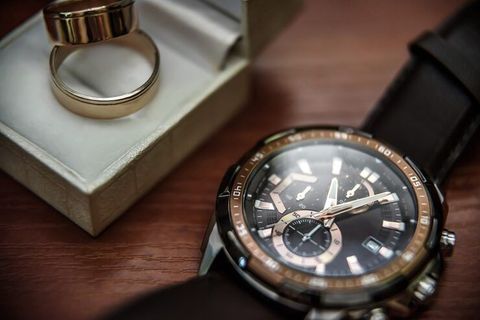
Luxury watches are timekeeping instruments created with a strong emphasis on craftsmanship, durability, and aesthetic refinement. Beyond telling time, they represent mechanical engineering, material science, and decorative arts combined into a single object.
Luxury watches are built using carefully selected materials and precise finishing methods that influence both performance and appearance. Each component, from the outer case to the internal movement, is designed for durability, reliability, and visual refinement.
Historically, watchmaking evolved through advancements in metalwork and mechanical engineering. Over time, manufacturers refined techniques to improve accuracy, longevity, and aesthetic quality.
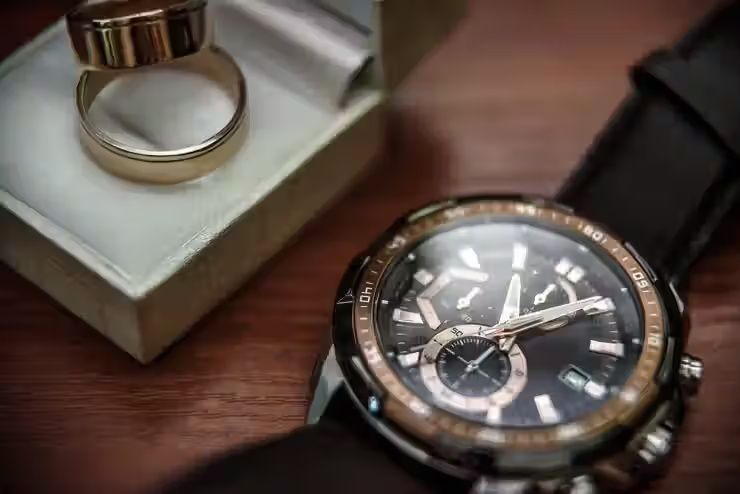
Importance: Why Materials and Finishing Matter Today
Role in Performance and Longevity
Materials and finishing directly affect how a watch performs and ages over time. They determine resistance to scratches, corrosion, and everyday wear.
Modern expectations require watches to maintain both function and appearance under regular use. This makes material selection and finishing techniques essential in design.
Who This Topic Is Relevant For
- Watch enthusiasts and collectors
- Design and engineering students
- Manufacturing and materials professionals
- Consumers interested in product knowledge
Key Challenges Addressed
- Resistance to scratches and corrosion
- Long-term mechanical reliability
- Comfort and wearability
- Visual consistency over time
Finishing also adds expressive value, influencing how light reflects on surfaces and how a watch feels on the wrist.
Recent Developments in Luxury Watchmaking (2024–2025)
Advances in Materials
Recent developments include the use of advanced alloys that improve strength and corrosion resistance. Manufacturers are experimenting with proprietary blends of steel and titanium.
Ceramic and Composite Improvements
Ceramic materials have seen enhancements in durability and color stability. These improvements support long-term visual consistency.
Sustainability and Sourcing
There is increased attention on responsible sourcing of metals, including traceability and ethical mining practices.
Movement Visibility and Design
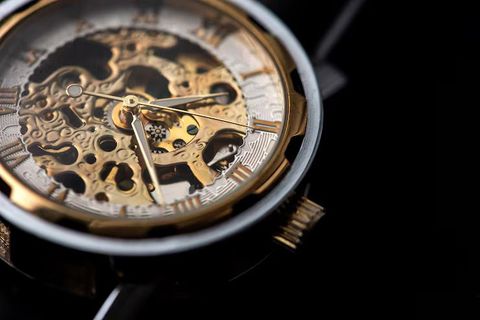
More watches now include transparent case backs, allowing users to observe internal finishing and craftsmanship.
Precision Manufacturing
Advanced micro-machining techniques introduced in 2025 have improved the consistency and quality of finishing across components.
Summary of Recent Developments
| Development Area | Description | Timeframe |
|---|---|---|
| Advanced alloys | Improved strength and corrosion resistance | 2024 |
| Ceramic refinement | Better durability and color stability | Late 2024 |
| Sustainable sourcing | Focus on traceable materials | 2024–2025 |
| Transparent case backs | Increased visibility of movement finishing | 2025 |
| Precision manufacturing | Enhanced micro-machining consistency | 2025 |
These updates reflect a combination of traditional craftsmanship and modern material science.
Laws, Regulations, and Policies
Hallmarking and Metal Purity
Many countries regulate the labeling of precious metals such as gold and platinum. Hallmarking laws ensure accurate representation of metal purity.
Regional Standards
In Switzerland, watchmaking standards are often linked to national regulations that define manufacturing and assembly practices.
Environmental and Sourcing Policies
Regulations also address responsible mining and material traceability. These policies influence how materials are sourced and documented.
International Trade Rules
Trade regulations affect how watches and components are transported across borders. These rules support transparency and consumer protection.
Tools and Resources for Learning
Educational and Technical Resources
- Materials reference guides explaining metal properties
- Microscopy tools for studying surface finishing
- Technical diagrams of watch components
- Industry publications on watchmaking techniques
Common Materials and Their Uses
| Material Type | Common Use in Watches | Key Characteristics |
|---|---|---|
| Stainless steel | Cases and bracelets | Durable, corrosion resistant |
| Gold alloys | Cases and decorative parts | Malleable, visually distinctive |
| Titanium | Lightweight cases | Strong, low weight |
| Ceramic | Bezels and cases | Scratch resistant |
| Sapphire crystal | Watch glass | High hardness, clear |
These materials are selected based on performance, durability, and aesthetic qualities.
Materials: What Luxury Watches Are Made Of
Luxury watches use a combination of metals, crystals, and synthetic materials. Each material behaves differently under stress, temperature changes, and daily wear.
Material compatibility is important to prevent wear between moving parts and ensure long-term reliability.
Metal Categories and Their Roles
- Metals for structural components like cases and bracelets
- Crystals for protecting the dial
- Synthetic materials for durability and weight reduction
Metals: Role of Alloys
Why Alloys Are Used
Pure metals are rarely used in watchmaking. Alloys are created to improve hardness, durability, and resistance to wear.
Examples of Common Alloys
- Stainless steel alloys for corrosion resistance
- Gold alloys for strength and color stability
- Titanium alloys for lightweight strength
Each alloy is engineered to balance machinability, longevity, and visual appeal.
Finishing Methods: Functional and Visual Impact
Common Finishing Techniques
- Polishing for reflective surfaces
- Brushing for linear textures
- Beveling for smooth edges
- Graining for uniform patterns
Finishing not only enhances appearance but also reduces friction and wear between components.
Movement Finishing: Precision Details
Microscopic Finishing Techniques
The internal movement of a watch often features detailed finishing at a very small scale.
Common techniques include:
- Geneva stripes on bridges
- Circular graining on plates
- Polished screw heads
These finishes demonstrate craftsmanship and attention to detail, even if they do not directly affect timekeeping accuracy.
FAQs
Why are alloys used instead of pure metals?
Alloys improve strength, durability, and resistance to wear compared to pure metals.
Does finishing affect performance?
Yes. Some finishing methods reduce friction and improve component longevity.
Are ceramics stronger than metals?
Ceramics are highly scratch resistant but respond differently to impact compared to metals.
Why finish invisible parts?
Finishing hidden components reflects craftsmanship and can support mechanical reliability.
Do materials affect comfort?
Yes. Weight, texture, and temperature response influence how a watch feels during wear.
Conclusion
Luxury watches combine advanced materials, engineered alloys, and refined finishing techniques to create durable and visually distinctive timepieces. Each element influences performance, longevity, and design.
Recent developments highlight innovation in materials and manufacturing precision, while regulations ensure transparency and responsible sourcing.
Understanding materials and finishing methods provides valuable insight into the technical and design foundations of luxury watchmaking.