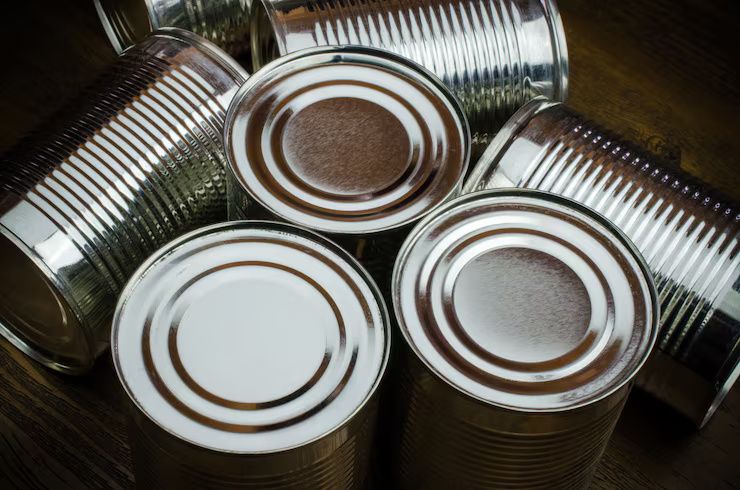
Metal packaging has been an essential part of industrial production for many decades. Among various packaging formats, metal cans are widely used for storing food, beverages, chemicals, and industrial products.
The process of metal can manufacturing involves shaping thin sheets of metal into durable containers that protect contents from external factors such as air, light, and contamination. Historically, early metal cans were made using hand-formed techniques, primarily for food preservation. Over time, advancements in industrial engineering led to automated systems capable of producing large quantities of cans with consistent quality. Today, metal can manufacturing processes rely on precision machinery, controlled forming techniques, and standardized materials.
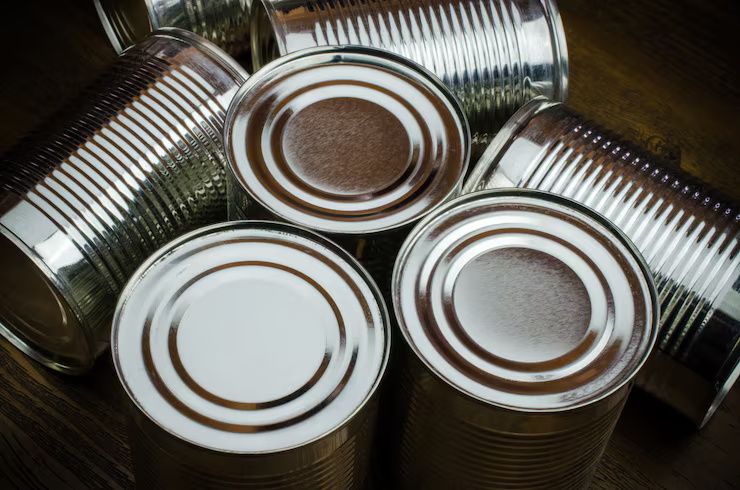
Most cans are made from aluminum or steel, chosen for their strength, corrosion resistance, and recyclability. These materials are processed through a series of mechanical and thermal steps to achieve the desired shape and performance characteristics. The final product is lightweight, stackable, and suitable for transportation and storage across various industries.
Modern production facilities use integrated systems that combine forming, trimming, coating, and inspection. These processes ensure that metal cans meet quality requirements while maintaining uniform dimensions and structural integrity.
Importance
Metal cans are widely used because they provide strong and reliable packaging for a variety of products. Their durability helps protect contents during transportation, storage, and handling. This makes metal can manufacturing important for industries that require long shelf life and safe packaging conditions.
One key advantage of metal cans is their ability to preserve product quality. The sealed structure prevents exposure to air and moisture, which can cause spoilage or contamination. This is particularly important in food and beverage packaging, where maintaining freshness is essential.
Metal cans also support efficient distribution systems. Their uniform shape allows easy stacking and storage, which improves logistics and reduces damage during transit.
Several sectors depend on metal cans:
- Food processing industry: Cans are used for vegetables, fruits, soups, and ready-to-eat meals.
- Beverage industry: Aluminum cans are widely used for soft drinks and energy drinks.
- Chemical and industrial products: Paints, lubricants, and solvents are often stored in metal containers.
- Pharmaceutical and specialty products: Some products require airtight packaging for stability.
In addition, metal cans are recyclable, which supports environmental sustainability efforts. Recycling reduces the need for raw material extraction and lowers energy consumption in manufacturing processes.
Recent Updates
The field of metal can manufacturing has seen several developments in recent years, particularly in sustainability, automation, and material efficiency.
Lightweight Material Design
Manufacturers are focusing on reducing the thickness of metal sheets without compromising strength. Lightweight cans use less material, which improves resource efficiency and reduces transportation weight.
Improved Coating Technologies
Modern coating systems are designed to protect both the metal and the contents inside the can. These coatings prevent corrosion and reduce interaction between the metal and stored products.
Automation and Smart Manufacturing
Production lines now include automated systems that monitor speed, pressure, and alignment during manufacturing. Sensors and digital control systems help maintain consistent quality throughout the process.
Recycling and Circular Production
There is increasing emphasis on recycling within the metal packaging industry. Aluminum and steel cans can be recycled multiple times without losing their properties. This supports circular production systems where materials are reused efficiently.
Energy-Efficient Machinery
Manufacturers are adopting machines designed to reduce energy consumption during forming, heating, and coating stages. Improved furnace designs and optimized process flows contribute to more efficient production.
These trends reflect a broader shift toward sustainable and technology-driven manufacturing practices.
Laws or Policies
Metal can manufacturing is influenced by regulations related to food safety, environmental protection, and industrial standards. These regulations ensure that cans are safe for use and produced under controlled conditions.
Food Safety Standards
Cans used for food and beverages must meet strict safety guidelines. Regulatory authorities define acceptable materials, coatings, and manufacturing practices to prevent contamination.
Manufacturers must ensure that the inner surfaces of cans do not react with the contents. Protective coatings are often required to maintain product safety.
Environmental Regulations
Governments regulate emissions, waste management, and recycling processes in manufacturing facilities. These rules aim to reduce environmental impact and encourage sustainable production practices.
Recycling targets for metal packaging are also set in many regions to promote material recovery and reuse.
Material and Engineering Standards
Organizations such as ISO and ASTM provide guidelines for material properties, dimensions, and testing methods. These standards ensure consistency and compatibility across different manufacturing systems.
Workplace Safety Requirements
Industrial safety regulations govern machine operation, worker protection, and handling of materials. These rules help reduce risks associated with high-speed machinery and metal processing.
Compliance with these regulations is essential for maintaining safe and reliable production environments.
Tools and Resources
Various tools and systems support the operation and management of metal can manufacturing processes. These tools help improve production efficiency, maintain quality, and monitor equipment performance.
Common tools and resources include:
- Computer-aided design (CAD) software: Used to design can shapes, dimensions, and tooling systems.
- Process control systems: Monitor temperature, pressure, and machine speed during production.
- Quality inspection equipment: Includes visual inspection systems and measurement tools for checking thickness and dimensions.
- Material testing instruments: Measure strength, corrosion resistance, and coating performance.
- Production planning platforms: Track output, machine performance, and workflow efficiency.
Typical Metal Can Manufacturing Machinery
The table below outlines common machinery used in metal can production and their roles.
| Machine Type | Function | Production Stage |
|---|---|---|
| Sheet Cutter | Cuts metal sheets into blanks | Raw material preparation |
| Cup Former | Shapes blanks into cup-like forms | Initial forming |
| Body Maker | Draws and irons metal into cylindrical shape | Can body formation |
| Trimmer | Cuts excess material for uniform height | Finishing stage |
| Washer | Cleans cans before coating | Surface preparation |
| Coating Machine | Applies protective internal and external layers | Protection stage |
| Necking Machine | Shapes the top portion of the can | Structural forming |
| Seamer | Attaches lid to the can body | Final sealing |
Each machine performs a specific function within the production line, contributing to the overall structure and performance of the final product.
FAQs
What is metal can manufacturing?
Metal can manufacturing is the industrial process of producing metal containers from materials such as aluminum or steel. The process includes forming, trimming, coating, and sealing to create durable packaging.
What materials are used in metal can manufacturing processes?
The most commonly used materials are aluminum and steel. These metals are selected for their strength, corrosion resistance, and ability to be shaped into thin, lightweight containers.
How does metal can manufacturing machinery work?
Metal can manufacturing machinery operates in a sequence of steps. Machines cut metal sheets, form them into shapes, apply coatings, and seal the final product. Each stage is designed to ensure uniform size and structural integrity.
What industries use metal cans?
Metal cans are used in food and beverage packaging, chemical storage, pharmaceutical products, and industrial goods. Their durability makes them suitable for various applications.
Are metal cans environmentally sustainable?
Metal cans are recyclable and can be reused multiple times without losing material quality. This supports resource conservation and reduces waste in manufacturing systems.
Conclusion
Metal can manufacturing is a structured industrial process that transforms raw metal into durable and reliable packaging. It involves multiple stages, including forming, coating, and sealing, supported by specialized machinery.
The importance of metal cans lies in their ability to protect products, support efficient distribution, and contribute to sustainable packaging systems. Recent developments in automation, lightweight design, and recycling continue to shape the industry.
Understanding these processes provides insight into how everyday packaged goods are produced and maintained across various industries.