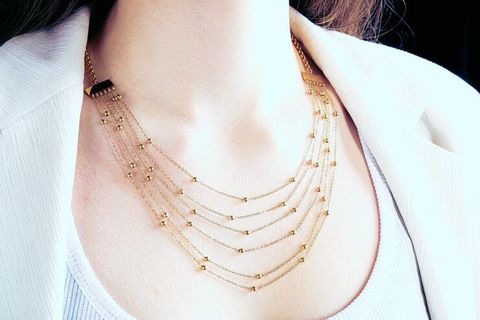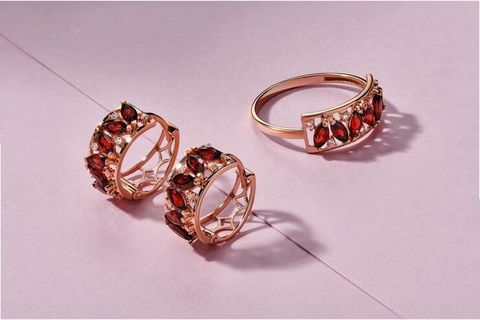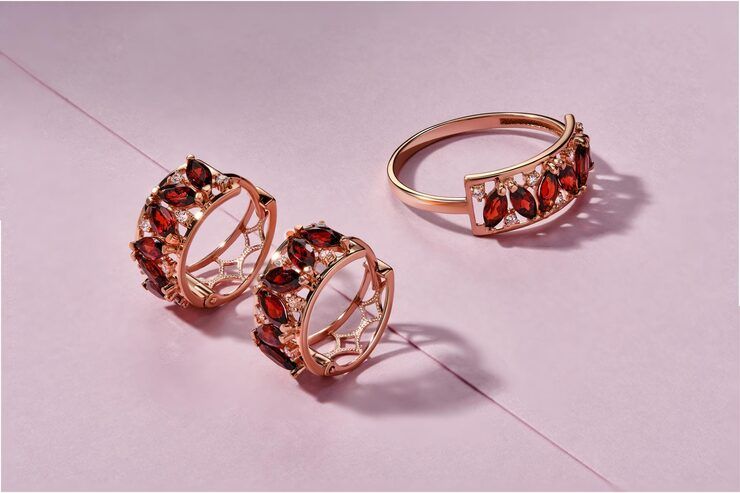
Minimalist rose gold jewellery combines simple designs with the warm pinkish appearance of rose gold. It commonly includes delicate necklaces, slim rings, small earrings, fine bracelets, and understated pendants. Rather than relying on large decorations or complex patterns, this style emphasizes clean shapes, balanced proportions, and subtle details.
Rose gold is an alloy of gold and other metals, typically including copper, which gives it its characteristic reddish or pink tone. The exact colour depends on the proportions of the metals used. The minimalist approach focuses on the design, making the jewellery suitable for a range of personal styles and occasions.
Understanding Rose Gold Jewellery
Pure gold is relatively soft for many everyday jewellery applications. Mixing gold with other metals creates alloys with different colours, hardness levels, and working properties.
Rose gold generally obtains its warm colour from copper. Some formulations may also include silver or other metals, depending on the intended colour and manufacturing requirements.
The karat rating describes the proportion of gold in the alloy. For example, 18-karat gold contains 75% gold by mass, while 14-karat gold contains approximately 58.3%.
Minimalist rose gold jewellery can be made in several forms:
Solid rose gold
Rose gold-plated jewellery
Gold-filled jewellery
Rose gold-coloured alternative metals
Rose gold combined with gemstones or diamonds
These categories differ in composition, durability, maintenance requirements, and precious-metal content. Understanding the material is therefore as important as considering the design.
Common Minimalist Designs
Minimalist jewellery is often designed to complement clothing without becoming the main visual focus.
Popular examples include:
Thin chain necklaces with small pendants
Plain rose gold bands
Small hoop earrings
Delicate stud earrings
Fine chain bracelets
Geometric pendants
Simple stacking rings
Minimalist jewellery featuring small gemstones
Some designs use polished surfaces, while others incorporate brushed finishes, textured details, or subtle geometric shapes.
Why Minimalist Rose Gold Jewellery Matters
Minimalist jewellery reflects a broader preference for versatile accessories that can be worn across different settings. Its appeal is connected with simplicity, material choice, personal expression, and ease of styling.
Versatility and Personal Style
Simple jewellery can complement professional clothing, casual outfits, and formal attire. A small pendant or pair of understated earrings can provide visual detail without creating a heavily decorated appearance.
Rose gold's warm tone can also coordinate with neutral colours, earth tones, black, white, and certain pastel shades.
However, colour preferences are subjective. The appearance of rose gold can vary depending on lighting, alloy composition, skin undertones, and nearby colours.
Material Knowledge and Durability
Understanding the jewellery's composition helps explain how it may perform during regular use.
Solid rose gold contains the stated gold alloy throughout the piece. Plated jewellery has a surface layer of rose gold or another rose-coloured coating over a different base material.
The surface layer of plated jewellery can gradually wear away through friction, moisture, chemicals, and repeated contact. Solid gold alloys do not have a separate plating layer, although they can still develop scratches and surface wear.
Practical Jewellery Selection
Choosing minimalist jewellery involves balancing several considerations:
Design and personal preference
Metal composition
Gold purity
Surface finish
Comfort and dimensions
Maintenance requirements
Compatibility with other jewellery
These factors help distinguish the visual style from the material characteristics of an individual piece.
Recent Trends and Developments
Jewellery design continues to evolve through changes in consumer preferences, digital design technology, manufacturing methods, and material transparency.
Delicate Designs and Layering
Minimalist jewellery remains associated with fine chains, small pendants, stacking rings, and understated earrings. Layering allows several simple pieces to create a more personalized appearance.
For example, two necklaces of different lengths can create visual depth without requiring large decorative elements. Similarly, slim rings with different surface finishes can be combined while retaining a restrained overall style.
Personalization and Geometric Forms
Initial pendants, small engraved details, simple circles, bars, and asymmetrical shapes are common design approaches within minimalist jewellery.
Computer-aided design and precision manufacturing also make it possible to develop detailed shapes and consistent dimensions. These technologies can support both traditional jewellery-making techniques and contemporary designs.
Material Transparency
Consumers increasingly encounter questions about gold purity, gemstone origin, recycled metals, and manufacturing practices when researching jewellery.
Recycled gold can reduce the need for newly mined material in some supply chains, although the overall environmental impact depends on collection, refining, energy use, transportation, and manufacturing.
Claims about recycled content or responsible sourcing should be supported by appropriate documentation rather than assumed from the appearance of the jewellery.
Comparing Jewellery Materials
| Material | Main Characteristics | Maintenance Considerations |
|---|---|---|
| 14-karat rose gold | Approximately 58.3% gold | Routine cleaning and protection from scratches |
| 18-karat rose gold | 75% gold | Routine care; alloy remains important to durability |
| Rose gold plating | Thin coloured surface layer | Avoid abrasive cleaning and excessive friction |
| Gold-filled jewellery | Mechanically bonded gold layer | Careful cleaning; avoid damaging the outer layer |
| Rose-coloured stainless steel | Steel with a coloured finish or coating | Care depends on the coating and construction |
The table describes broad material categories. Actual performance varies according to manufacturing quality, alloy composition, thickness, and how a piece is worn.
Jewellery Laws, Standards, and Consumer Protection
Jewellery regulations vary by country. Requirements may cover precious-metal purity, hallmarking, product descriptions, gemstone disclosure, chemical safety, and consumer protection.
Gold Purity and Hallmarking
Gold purity is commonly expressed in karats or fineness. Fineness represents the proportion of pure gold in parts per thousand.
For example, 750 fineness indicates 75% gold, corresponding to 18-karat gold. Hallmarks and other approved markings can help identify the declared precious-metal content, subject to the rules of the relevant jurisdiction.
In India, the Bureau of Indian Standards administers the hallmarking framework for covered gold jewellery. Consumers can consult official BIS resources for current requirements, hallmark identification, and verification guidance.
Hallmarking requirements and implementation can change, so buyers should consult the applicable national authority for the latest rules.
Jewellery Descriptions and Advertising
Product descriptions should accurately identify whether jewellery is solid gold, plated, gold-filled, or made from another material.
A rose-coloured finish alone does not establish that a piece contains a particular amount of gold. Similarly, descriptions involving diamonds, gemstones, recycled metals, or purity should be supported by reliable product information.
Consumer-protection rules in many countries prohibit misleading representations about material composition and product characteristics.
Nickel and Skin Sensitivity
Some jewellery alloys and base metals may contain nickel, which can cause allergic contact dermatitis in sensitive individuals. The risk depends on the material and the amount of nickel released through skin contact.
People with known metal sensitivities should review the stated composition and relevant safety information. A rose gold colour does not automatically establish that a piece is nickel-free.
Tools and Resources for Choosing and Caring for Jewellery
Several resources can help people understand jewellery materials and evaluate design characteristics.
Gold Purity Calculator
A simple calculation can convert karat ratings into approximate gold percentages:
Gold percentage = Karat rating ÷ 24 × 100
For example, 18-karat gold contains approximately 75% gold, while 14-karat gold contains approximately 58.3%.
This calculation describes the nominal gold proportion, not the market value or overall quality of a particular item.
Official Standards and Consumer Resources
Useful resources include:
Bureau of Indian Standards for Indian hallmarking information
National standards bodies for precious-metal marking rules
Consumer-protection authorities for product-description requirements
Reputable gemological institutions for gemstone identification and education
Jewellery manufacturers' care instructions for specific alloys and finishes
Jewellery Care Checklist
To maintain minimalist rose gold jewellery, consider these practices:
Store pieces separately to reduce scratches.
Remove jewellery before swimming or using cleaning chemicals.
Avoid abrasive cloths and harsh household cleaners.
Clean solid gold gently with suitable methods.
Follow specific instructions for plated pieces and gemstones.
Inspect clasps, settings, and fine chains periodically.
Keep jewellery away from unnecessary friction and impact.
Different materials require different care. Methods appropriate for solid gold may damage plated finishes, pearls, or delicate gemstones.
Frequently Asked Questions
What gives rose gold its pink colour?
Rose gold gets its pink or reddish colour primarily from copper mixed with gold. The final shade depends on the proportions of the metals and the manufacturing formulation.
Is 18-karat rose gold different from 14-karat rose gold?
Yes. Eighteen-karat rose gold contains 75% gold, while 14-karat rose gold contains approximately 58.3%. Their durability and colour also depend on the other metals in the alloy and the construction of the jewellery.
Does rose gold jewellery require special care?
Routine care is generally sufficient, but cleaning methods should match the material. Solid gold alloys, plated jewellery, gemstones, and alternative metals can have different maintenance requirements.
Can minimalist rose gold jewellery be layered?
Yes. Fine necklaces of different lengths, slim bracelets, and simple rings can be layered to create a personalized appearance. Keeping a consistent colour palette can help the overall combination remain visually balanced.
How can the gold content of jewellery be checked?
Look for appropriate purity markings or hallmarks and consult the relevant national hallmarking authority. In India, BIS resources provide information about hallmark identification and verification. A colour description alone cannot confirm gold purity.
Conclusion
Minimalist rose gold jewellery combines understated design with the distinctive colour of a gold-copper alloy. Its clean shapes, delicate proportions, and adaptable appearance make it relevant to many different personal styles.
Understanding the difference between solid gold, plated jewellery, and alternative materials is essential when evaluating durability, maintenance, and declared gold content. Purity markings, accurate product descriptions, and applicable hallmarking standards provide useful information beyond appearance alone.
As jewellery design continues to incorporate personalization, digital manufacturing, and greater attention to material transparency, informed material selection remains important. By considering design, composition, care requirements, and reliable standards information, readers can better understand minimalist rose gold jewellery and its place in contemporary accessory design.