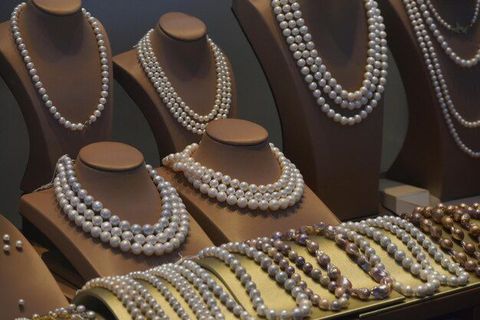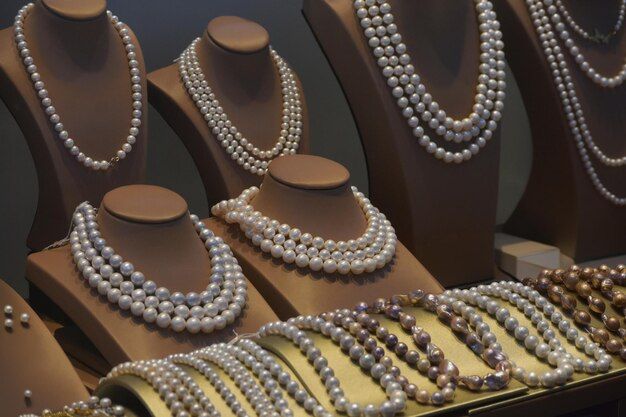
Pearl necklaces have remained one of the most timeless pieces of jewelry across cultures and generations. Unlike gemstones that are mined from the earth, pearls are naturally formed inside mollusks, making them unique in both origin and appearance. Their soft glow, elegant texture, and versatile styling make pearl necklaces suitable for everyday wear as well as special occasions.
Today, pearl necklaces are available in a wide range of designs, pearl varieties, lengths, and colors. Modern jewelry trends have also transformed pearls from classic formal accessories into fashionable pieces that pair well with casual, business, and contemporary outfits. Understanding how pearl necklaces differ in quality, style, and care helps buyers make informed decisions based on their personal preferences and lifestyle.
This guide explains everything you need to know about pearl necklaces in a simple, educational format.
What Is a Pearl Necklace?
A pearl necklace is a jewelry piece made by stringing together natural, cultured, or freshwater pearls into a wearable design. Pearls are produced when a mollusk forms layers of nacre around an irritant inside its shell. Over time, these layers create the smooth, lustrous surface that pearls are known for.
Most pearl necklaces available today use cultured pearls, which are grown through carefully managed pearl farming techniques. These pearls are genuine pearls, but their formation begins with human assistance rather than occurring entirely naturally.
Pearl necklaces have been worn for centuries as symbols of elegance, tradition, celebration, and personal style. Today they are appreciated not only for their beauty but also for their ability to complement many different fashion styles.
Why Pearl Necklaces Continue to Be Popular
Pearl necklaces have maintained their popularity because they combine classic beauty with modern versatility. Unlike many fashion accessories that change with trends, pearls have consistently remained relevant in jewelry collections around the world.
One reason for their lasting appeal is their understated elegance. Pearls have a natural glow rather than a sparkling shine, making them suitable for both formal and everyday settings. They pair easily with different fabrics, colors, and jewelry styles.
Another reason is their adaptability. Designers now create pearl necklaces in minimalist, vintage-inspired, layered, and contemporary styles, allowing people of different ages and preferences to wear pearls comfortably.
Pearl necklaces are also commonly associated with meaningful occasions such as weddings, anniversaries, birthdays, graduations, and cultural celebrations, making them popular gifts and heirloom pieces.
Understanding Different Types of Pearls
Pearl necklaces can look very different depending on the type of pearl used. Each variety has its own appearance, texture, size, and growing environment.
Freshwater Pearls
Freshwater pearls are grown in freshwater lakes and rivers. They are known for their variety of shapes and soft, natural colors. These pearls are commonly available in white, cream, pink, lavender, and peach shades.
Freshwater pearl necklaces are often chosen for everyday wear because they offer diverse styles and are widely available in many designs.
Akoya Pearls
Akoya pearls are traditionally associated with classic pearl necklaces. They are typically round, highly lustrous, and usually appear in white or cream tones with subtle rose or silver overtones.
These pearls are popular for elegant necklaces, bridal jewelry, and timeless jewelry collections.
South Sea Pearls
South Sea pearls are among the largest pearl varieties. They are known for their smooth surface, luxurious appearance, and satin-like luster. Their colors often range from white and silver to golden shades.
South Sea pearl necklaces are frequently selected for statement jewelry and sophisticated styling.
Tahitian Pearls
Tahitian pearls are naturally darker pearls grown in saltwater oysters. Their colors include black, gray, green, peacock, blue, and deep purple overtones.
These pearls create bold and modern necklace designs that differ from traditional white pearl jewelry.
Popular Pearl Necklace Styles
The design of a pearl necklace influences how it looks with different outfits and occasions. Necklace length and arrangement play an important role in styling.
Choker Pearl Necklace
A choker sits closely around the neck and creates a modern, elegant appearance. It works well with open-neck clothing, evening dresses, and contemporary fashion.
Princess Pearl Necklace
The princess length is one of the most versatile pearl necklace styles. It typically falls around the collarbone and pairs well with formal wear, office attire, and casual clothing.
Matinee Pearl Necklace
A matinee necklace hangs slightly below the collarbone and complements business wear, dresses, and semi-formal outfits.
Opera Pearl Necklace
Opera-length pearl necklaces are significantly longer and can be worn as a single strand or doubled into layered styles. They offer flexibility for different fashion looks.
Rope Pearl Necklace
The rope style is the longest pearl necklace design. It can be wrapped multiple times around the neck or styled creatively with knots and layers.
Pearl Necklace Colors and Their Meanings
Pearls naturally occur in multiple colors, and each color offers a different aesthetic appeal.
White pearls remain the most traditional choice and are associated with elegance and simplicity. Cream pearls provide a warmer appearance and complement many skin tones.
Pink pearls offer a soft, feminine look, while lavender pearls provide a distinctive pastel appearance.
Golden pearls create a rich and luxurious style, while black or dark Tahitian pearls are often chosen for bold, contemporary fashion.
Rather than representing fixed meanings, pearl colors are generally selected based on personal preference, wardrobe compatibility, and occasion.
How Pearl Necklace Quality Is Evaluated
Understanding pearl quality helps buyers recognize differences between necklaces without relying only on appearance.
Luster
Luster refers to how light reflects from the pearl's surface. High-quality pearls have bright, sharp reflections and a glowing appearance.
Surface Quality
Natural pearls may have tiny marks or imperfections. Pearls with smoother surfaces generally appear more refined.
Shape
Round pearls are traditionally the most recognized shape, but oval, drop, button, and baroque pearls are also popular in modern jewelry designs.
Size
Pearl necklaces are available in various pearl sizes, from delicate small pearls to bold statement pearls. Larger pearls create a more dramatic appearance, while smaller pearls offer subtle elegance.
Matching
In multi-pearl necklaces, consistency in size, color, shape, and luster creates a balanced and harmonious design.
Choosing the Right Pearl Necklace
Selecting a pearl necklace depends on style preferences, lifestyle, and intended use rather than simply choosing the most luxurious option.
For everyday wear, many people prefer lightweight freshwater pearl necklaces because they pair easily with different outfits.
For weddings and formal occasions, classic white or cream pearl necklaces remain popular because of their timeless appearance.
People looking for contemporary jewelry often choose baroque pearl necklaces or layered pearl designs that combine pearls with gold or silver elements.
Necklace length should also complement neckline styles and personal comfort. Trying different lengths helps determine which style best matches individual fashion preferences.
Modern Pearl Necklace Trends in 2026
Pearl necklaces continue evolving with changing jewelry trends while maintaining their timeless appeal.
Minimalist pearl necklaces featuring a single pearl pendant remain popular for everyday wear. Layered pearl necklaces combining different chain lengths create fashionable styling options.
Baroque pearls have gained attention because their irregular shapes give each necklace a unique appearance. Mixed-metal pearl jewelry also continues growing in popularity, combining pearls with contemporary chain designs.
Designers increasingly incorporate pearls into gender-neutral jewelry collections, reflecting broader fashion trends toward versatile accessories.
Personalized pearl necklaces featuring initials, birthstones, or meaningful charms are also becoming popular choices for gifts and commemorative jewelry.
How to Style Pearl Necklaces
Pearl necklaces are remarkably versatile and can complement many clothing styles without appearing overly formal.
With casual clothing, a simple single-strand pearl necklace pairs well with shirts, knitwear, and denim outfits, adding subtle elegance.
In professional settings, princess-length pearl necklaces complement blazers, dresses, and office wear without overwhelming the outfit.
For evening occasions, layered pearl necklaces or opera-length styles create a sophisticated appearance with gowns and formal dresses.
Pearls also combine well with other jewelry pieces, including delicate chains, stud earrings, and bracelets, creating balanced layered looks.
Caring for Pearl Necklaces
Pearls are organic gemstones and require gentler care than many other jewelry materials. Proper maintenance helps preserve their luster for many years.
Pearls should be worn after applying perfumes, lotions, or cosmetics because chemicals can affect their surface over time.
After wearing a pearl necklace, gently wiping it with a soft cloth removes oils and moisture accumulated during use.
Pearl necklaces should be stored separately from harder jewelry such as diamonds or metal accessories to reduce scratching.
Avoid exposing pearls to excessive heat, harsh cleaning solutions, or prolonged moisture. Gentle handling helps preserve their natural appearance.
Restringing pearl necklaces periodically is recommended if they are worn frequently, especially for longer strands that experience regular movement.
Common Myths About Pearl Necklaces
Several misconceptions surround pearl jewelry, making it useful to separate myths from reality.
One common myth is that cultured pearls are artificial. In reality, cultured pearls are genuine pearls formed through the same natural nacre-building process inside mollusks.
Another misconception is that pearls are only suitable for older generations. Modern jewelry designs have made pearl necklaces popular across all age groups.
Some people believe pearls should only be worn during formal events. Contemporary styling shows pearls can complement casual, business, and streetwear fashion as well.
There is also a belief that perfectly round pearls are always the best choice. Many designers intentionally use baroque pearls because their natural shapes create distinctive jewelry pieces.
Pearl Necklaces for Different Occasions
Pearl necklaces suit many celebrations and everyday moments because of their adaptable style.
Bridal jewelry often includes pearl necklaces that complement traditional and modern wedding dresses.
Graduation gifts commonly feature pearl necklaces because they symbolize memorable milestones.
Pearls are also popular choices for anniversaries, birthdays, cultural ceremonies, and festive celebrations.
Many people wear simple pearl necklaces daily because they pair well with professional clothing, casual outfits, and seasonal fashion.
Sustainability and Pearl Jewelry
Growing interest in sustainable fashion has increased attention on responsibly produced pearl jewelry. Cultured pearl farming can encourage long-term care of aquatic environments when managed responsibly.
Consumers increasingly look for transparency regarding pearl origins, farming practices, and craftsmanship. Handmade pearl necklaces and responsibly sourced cultured pearls have become important considerations for environmentally conscious buyers.
Sustainability also includes caring for jewelry properly so pearl necklaces remain wearable for many years instead of being replaced frequently.
How Pearl Necklaces Fit into Modern Jewelry Collections
Pearl necklaces blend easily with both traditional and modern jewelry collections. They complement gold, silver, platinum, and mixed-metal accessories while remaining elegant on their own.
Many jewelry enthusiasts include pearls alongside gemstone necklaces, minimalist chains, and statement pieces because pearls offer a softer visual contrast. Their versatility makes them suitable for seasonal wardrobes, workwear, festive clothing, and formal attire.
As fashion continues evolving, pearl necklaces remain one of the few jewelry styles that consistently adapt without losing their timeless identity.
Conclusion
Pearl necklaces continue to be valued for their natural beauty, versatility, and timeless appeal. From classic white strands to contemporary baroque and layered designs, pearls offer styles suitable for everyday wear, professional settings, and special occasions. Understanding pearl types, necklace lengths, quality characteristics, colors, and proper care helps buyers appreciate the craftsmanship behind every pearl necklace and choose one that matches their personal style.
Rather than being limited to traditional fashion, pearl necklaces have become a modern jewelry essential that fits a wide range of wardrobes and occasions. With thoughtful care and informed selection, a pearl necklace can remain a lasting part of a jewelry collection for years to come.