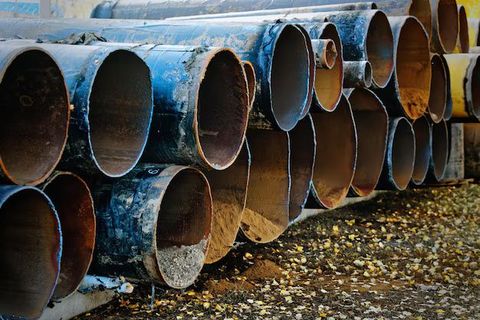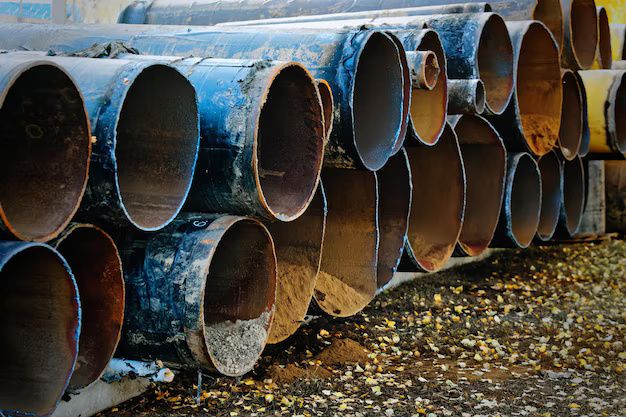
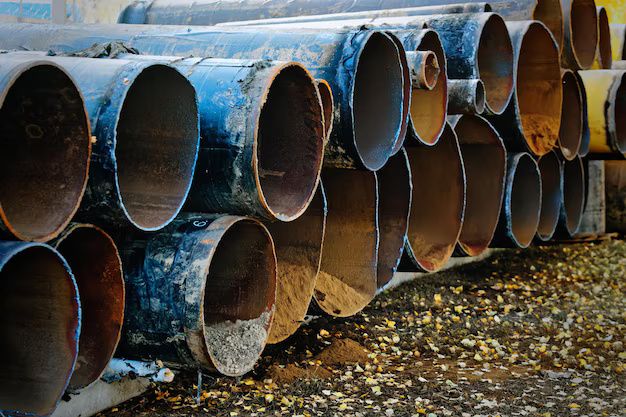
Pipe corrosion refers to the gradual deterioration of metal pipes due to chemical or electrochemical reactions with their surrounding environment. This process commonly affects pipelines used for water supply, oil and gas transport, industrial fluids, and sewage systems.
Corrosion has existed for as long as metals have been used in construction and engineering. Early metal tools and structures often showed signs of rust and degradation when exposed to moisture and air. As industries expanded, the need to understand and manage pipe corrosion became more important, especially in large-scale infrastructure systems.
Modern pipeline networks operate under varying conditions, including high pressure, temperature fluctuations, and exposure to chemicals. These conditions can accelerate corrosion if not properly controlled. As a result, industries rely on scientific methods and engineered solutions to monitor and reduce corrosion effects.
Understanding pipe corrosion causes and prevention methods helps explain how infrastructure systems remain reliable over long periods. It also highlights the importance of material selection, environmental control, and maintenance strategies in pipeline management.
Importance
Pipe corrosion is a significant concern because it directly affects safety, environmental protection, and infrastructure reliability. Corroded pipes can develop cracks or holes, leading to fluid leaks or system breakdowns.
This issue impacts multiple sectors:
- Water supply systems: Corrosion can affect water quality and reduce the lifespan of pipelines.
- Oil and gas industry: Pipeline failures may result in environmental contamination and operational disruptions.
- Industrial facilities: Corrosion can damage equipment used in chemical processing and manufacturing.
- Construction and infrastructure: Structural pipes used in buildings and bridges must remain stable over time.
The importance of addressing pipe corrosion lies in its ability to prevent long-term damage. Corrosion often begins at a microscopic level, making early detection challenging. If not managed properly, it can progress and lead to larger failures.
Several real-world challenges are associated with corrosion:
- Material degradation: Metals lose strength over time due to oxidation and chemical reactions.
- Maintenance complexity: Inspecting underground or buried pipelines requires specialized equipment.
- Operational interruptions: Repairs or replacements can disrupt industrial processes.
- Environmental impact: Leaks from corroded pipes may contaminate soil and water.
Because of these factors, industries and municipalities invest in corrosion management strategies to maintain pipeline integrity and reduce risks.
Recent Updates
Recent developments in pipe corrosion prevention methods focus on monitoring technologies, advanced materials, and predictive maintenance systems.
Smart Monitoring Systems
Digital sensors are increasingly used to monitor pipeline conditions in real time. These sensors measure factors such as temperature, pressure, and chemical composition inside pipes. Data collected from these systems helps detect early signs of corrosion.
Remote monitoring platforms allow operators to track pipeline performance and identify potential issues before they become severe.
Advanced Coating Technologies
Protective coatings have improved in durability and chemical resistance. Modern coatings are designed to create barriers between metal surfaces and corrosive environments. Some coatings also include self-healing properties that reduce damage over time.
Cathodic Protection Advancements
Cathodic protection systems continue to evolve with improved control mechanisms. These systems use electrical currents to prevent metal surfaces from undergoing corrosion reactions. New designs allow more precise control of protective currents in large pipeline networks.
Predictive Maintenance Using Data Analytics
Data-driven approaches are being used to predict corrosion patterns. By analyzing historical and real-time data, industries can anticipate areas where corrosion is likely to occur. This allows targeted maintenance rather than reactive repairs.
Use of Corrosion-Resistant Materials
There is increasing use of materials such as stainless steel alloys, plastic composites, and lined pipes. These materials are selected based on their resistance to environmental conditions and chemical exposure.
Laws or Policies
Regulations related to pipe corrosion and industrial protection solutions focus on safety, environmental protection, and infrastructure reliability. These rules vary by country but generally follow similar principles.
Pipeline Safety Regulations
Government authorities often require pipeline operators to follow safety standards that include corrosion monitoring and maintenance practices. These regulations aim to reduce the risk of leaks and structural failures.
Environmental Protection Guidelines
Environmental laws require industries to prevent contamination caused by pipeline failures. Corrosion-related leaks may lead to penalties if they affect natural resources such as soil and water.
Standards for Materials and Coatings
Standards organizations define specifications for materials used in pipelines. These standards ensure that pipes and protective coatings meet durability and safety requirements.
Inspection and Maintenance Requirements
Regulations may require periodic inspection of pipelines. Methods such as ultrasonic testing, pressure testing, and visual inspection help identify corrosion-related damage.
Industrial Compliance Frameworks
Industries often follow structured compliance systems that include documentation, monitoring, and reporting. These frameworks help maintain accountability and ensure adherence to safety practices.
Tools and Resources
Managing pipe corrosion requires a combination of tools, technologies, and technical resources. These tools help detect corrosion, analyze risks, and implement prevention strategies.
Common tools and resources include:
- Corrosion monitoring sensors: Devices that measure environmental conditions inside pipelines.
- Ultrasonic testing equipment: Used to measure pipe thickness and detect internal corrosion.
- Inspection robots and smart pigs: Devices that travel inside pipelines to collect data.
- Coating application systems: Equipment used to apply protective layers on pipe surfaces.
- Corrosion rate calculators: Analytical tools that estimate the speed of material degradation.
- Engineering software: Platforms used to model corrosion behavior and plan maintenance schedules.
Common Types of Pipe Corrosion
The following table outlines different types of corrosion and their characteristics.
| Corrosion Type | Description | Common Cause |
|---|---|---|
| Uniform Corrosion | Even material loss across the surface | Exposure to air and moisture |
| Pitting Corrosion | Localized holes or pits in the metal | Chemical reactions in specific areas |
| Galvanic Corrosion | Occurs when two different metals interact | Electrical contact between metals |
| Crevice Corrosion | Develops in confined spaces | Trapped moisture or chemicals |
| Stress Corrosion Cracking | Cracks due to stress and corrosion combined | Mechanical stress and corrosive environment |
Each type requires specific prevention strategies depending on environmental and operational conditions.
FAQs
What causes pipe corrosion in industrial systems?
Pipe corrosion is caused by chemical reactions between metal surfaces and environmental elements such as oxygen, moisture, and chemicals. Factors like temperature, pressure, and fluid composition can accelerate corrosion.
What are the main pipe corrosion prevention methods?
Common prevention methods include applying protective coatings, using corrosion-resistant materials, implementing cathodic protection systems, and conducting regular inspections.
How does cathodic protection prevent pipe corrosion?
Cathodic protection works by applying an electrical current that counteracts the natural corrosion process. This prevents metal surfaces from losing electrons and reduces oxidation.
Why is pipe corrosion monitoring important?
Monitoring helps detect early signs of corrosion before significant damage occurs. Early detection allows maintenance teams to address issues and maintain pipeline integrity.
Which industries are most affected by pipe corrosion?
Industries such as water supply, oil and gas, chemical processing, and construction are significantly affected by pipe corrosion due to their reliance on extensive pipeline networks.
Conclusion
Pipe corrosion is a natural but manageable process that affects pipelines across many industries. It results from chemical and environmental interactions that gradually weaken metal structures.
Understanding the causes, types, and prevention methods of pipe corrosion helps maintain the safety and reliability of infrastructure systems. Modern technologies such as smart monitoring, advanced coatings, and predictive analytics continue to improve corrosion management practices.
Regulatory frameworks and engineering standards further support safe pipeline operation by ensuring proper inspection and maintenance procedures.