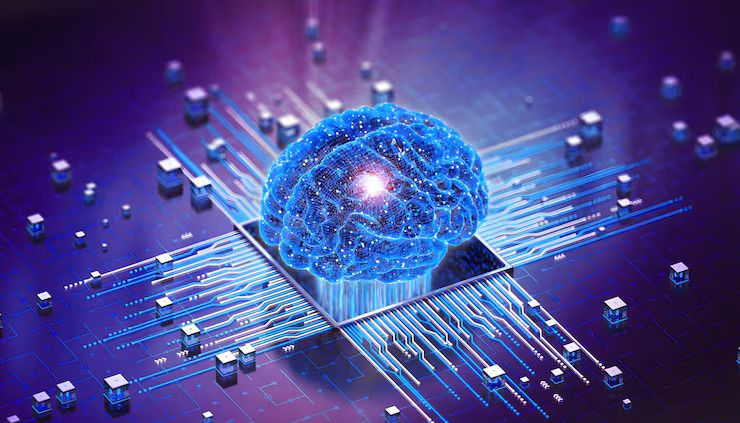
Quantum machine learning (QML) is an emerging field that combines quantum computing with machine learning algorithms. It explores how quantum systems can process information differently from classical computers and whether these differences can enhance artificial intelligence applications.
Traditional machine learning relies on classical computers to process data and identify patterns. As datasets grow larger and more complex, researchers are exploring whether quantum computing can improve performance in specific computational tasks.
Quantum machine learning (QML) combines concepts from quantum computing and artificial intelligence. It uses quantum principles such as superposition and entanglement to explore new ways of processing information.
Core Quantum Concepts
Quantum machine learning is based on:
- Superposition
- Entanglement
- Quantum interference
Instead of classical bits, quantum systems use qubits, which can represent multiple states simultaneously.
Importance of Quantum Machine Learning
QML represents a potential shift in how complex data problems are approached.
Why It Matters Today
- Increasing demand for high-performance computing
- Growth of AI in healthcare, finance, and cybersecurity
- Rising interest in quantum algorithms
- Expansion of cloud-based quantum platforms
Who It Affects
Quantum machine learning impacts:
- AI researchers and quantum scientists
- Universities and research institutions
- Technology companies
- Data scientists exploring advanced computing methods
Problems It Aims to Solve
QML research focuses on:
- Large-scale optimization problems
- Complex pattern recognition
- Cryptography analysis
- Molecular and material simulations
It is important to note that most QML systems are still experimental.
How Quantum Machine Learning Works
QML involves encoding classical data into quantum states and processing it using quantum circuits.
Common Approaches
- Quantum-enhanced support vector machines
- Variational quantum circuits
- Quantum neural networks
- Hybrid quantum-classical models
Hybrid Systems
In hybrid models:
- Classical systems preprocess data
- Quantum processors perform specific computations
- Classical systems evaluate results and update parameters
This approach allows experimentation without relying fully on quantum hardware.
Classical vs Quantum Machine Learning
| Feature | Classical Machine Learning | Quantum Machine Learning |
|---|---|---|
| Data Units | Bits (0 or 1) | Qubits (multiple states) |
| Hardware | CPUs/GPUs | Quantum processors |
| Maturity | Highly developed | Experimental |
| Scalability | Established | Limited hardware |
| Applications | Widespread | Research-focused |
Recent Updates (2025–2026)
Quantum machine learning research has advanced significantly in recent years.
Hardware Improvements
Advances in qubit stability and error correction have improved experimental capabilities.
Cloud Quantum Platforms
Cloud-based quantum computing access has expanded, allowing more researchers to experiment with quantum algorithms.
Research Growth
- Development of quantum neural networks
- Progress in hybrid quantum algorithms
- Increased academic and industry collaboration
Government Investment
Countries such as the United States, China, Germany, and India have increased funding for quantum research programs.
Laws and Policies
Quantum machine learning is influenced by technology policies and research regulations.
Research and Export Policies
Some countries regulate advanced quantum technologies through research funding and export controls.
Data and AI Governance
QML may fall under broader AI regulations, which focus on:
- Ethical AI development
- Transparency in algorithms
- Data privacy protection
Regional Initiatives
Governments support quantum research through national programs and institutional funding.
Tools and Resources
Several platforms support learning and research in quantum machine learning.
Research Platforms
- IBM Quantum
- Google Quantum AI
- Microsoft quantum frameworks
Software Frameworks
- Qiskit
- Cirq
- TensorFlow Quantum
Learning Resources
- University research portals
- Scientific journals
- Online courses in quantum computing
Applications in Development
Although still experimental, QML is being explored in:
- Financial modeling
- Drug discovery
- Supply chain optimization
- Climate modeling
- Cybersecurity research
These applications are under active research and not yet widely commercialized.
Key Terms
| Term | Explanation |
|---|---|
| Qubit | Quantum unit of information |
| Superposition | Multiple state representation |
| Entanglement | Correlation between quantum particles |
| Variational Circuit | Parameterized quantum model |
| Hybrid System | Combination of classical and quantum computing |
FAQs
Is quantum machine learning practical today?
Most QML systems are still in research stages and not widely used in industry.
How is it different from quantum computing?
Quantum computing refers to the hardware, while QML applies it to machine learning tasks.
Will quantum computers replace classical ones?
No, current research suggests hybrid systems will be used together.
Is QML faster than classical ML?
In some theoretical cases, yes, but universal advantages are not yet proven.
How can beginners start learning?
Start with quantum computing basics, mathematics, and machine learning fundamentals.
Conclusion
Quantum machine learning is an emerging field that combines quantum computing with artificial intelligence. While still experimental, it represents a promising area of research in advanced computing.
Recent advancements in hardware, algorithms, and cloud platforms have expanded research opportunities. Governments and institutions continue to invest in quantum technology development.
Understanding its principles and limitations helps set realistic expectations. As research progresses, QML may contribute to solving complex computational problems, particularly in optimization and simulation.