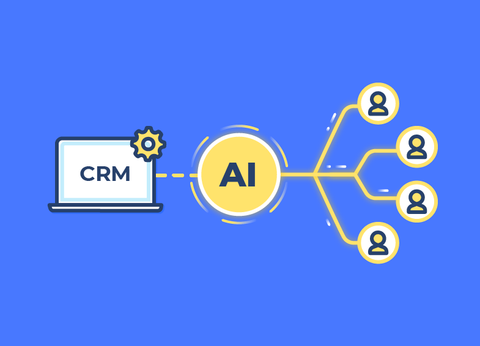
Real-time data and agentic AI platforms represent a growing area within modern computing where systems can process information instantly and take actions with minimal human input. Real-time data refers to information that is collected and processed immediately as it is generated, rather than being stored for later analysis.
Agentic AI systems build on this capability by introducing intelligent agents that can make decisions, adapt to changing conditions, and perform tasks autonomously. These platforms combine real-time data processing with AI decision making to create systems that respond dynamically to inputs.
The development of these technologies is linked to the increasing availability of data and the need for faster responses in digital environments. From online platforms to industrial systems, the ability to process and act on data in real time has become an important requirement.
Importance
Real-time data and agentic AI platforms are important because they allow systems to react immediately to changing conditions. This capability is useful in situations where delays can affect outcomes, such as monitoring systems, digital transactions, and automated workflows.
These technologies affect a wide range of users. Businesses rely on real-time analytics to understand patterns quickly, while individuals benefit from faster and more responsive digital tools. AI automation platforms help reduce manual effort by allowing intelligent agents to handle repetitive or time-sensitive tasks.
Some key areas of importance include:
- Faster decision making through real-time data processing
- Improved efficiency in managing complex workflows
- Reduced need for constant human supervision
- Better adaptability in dynamic environments
By combining data streaming platforms with agentic AI systems, organizations can create more responsive and flexible systems.
Core Concepts of Agentic AI Platforms
Understanding the basic elements of an agentic AI platform helps explain how these systems function.
Intelligent Agents
Intelligent agents are software entities that can observe data, make decisions, and act based on defined goals. They operate within a system to perform specific tasks without continuous human control.
Real-Time Data Processing
Real-time data processing involves capturing and analyzing data as it is generated. This allows systems to respond immediately rather than waiting for batch processing.
Autonomous AI Workflows
Autonomous AI workflows refer to processes where tasks are completed automatically by AI systems. These workflows use rules, data inputs, and decision models to execute actions.
AI Decision Making
AI decision making involves analyzing data and selecting appropriate actions. In agentic AI systems, this process is continuous and adaptive.
How Real-Time Data Systems Work
Real-time data systems are designed to handle continuous streams of information.
Data Collection
Data is gathered from sources such as sensors, applications, or user interactions. This data enters the system in a continuous flow.
Data Processing
The incoming data is processed instantly using algorithms and computing frameworks. Real-time analytics are applied to extract meaningful insights.
Action and Response
Based on the processed data, the system triggers actions. In agentic AI platforms, intelligent agents use this information to perform tasks or make decisions.
Feedback Loop
The system continuously monitors outcomes and adjusts its behavior. This feedback loop helps improve performance over time.
Comparison of Key Components
| Component | Function | Example Use Case | Role in System |
|---|---|---|---|
| Real-Time Data | Immediate data processing | Live monitoring | Input and analysis |
| Intelligent Agents | Autonomous decision making | Task automation | Action execution |
| Data Streaming Platforms | Continuous data flow management | Event processing | Data handling |
| AI Decision Systems | Analyze and choose actions | Predictive response | Decision support |
| Autonomous Workflows | Automated task sequences | Process automation | End-to-end execution |
Recent Updates
Recent developments show increasing integration between real-time data and agentic AI systems. Many platforms now focus on combining streaming data with adaptive AI models to improve responsiveness.
There is also growing interest in autonomous AI workflows that can operate across multiple systems. These workflows aim to coordinate tasks without requiring constant human input.
Another trend is the use of real-time analytics in everyday applications, such as recommendation systems and monitoring tools. As computing power increases, these systems are becoming more accessible and scalable.
Laws or Policies
Real-time data and agentic AI platforms are influenced by regulations related to data usage, privacy, and system accountability.
Data Protection Regulations
Organizations handling real-time data must follow rules that protect user information. This includes secure data handling and limited access to sensitive data.
AI Governance
AI systems are subject to guidelines that ensure transparency and responsible use. These guidelines often focus on fairness, accountability, and reliability.
Compliance Requirements
Platforms must meet technical and operational standards, especially when used in critical systems. Compliance helps ensure that AI decision making processes are safe and predictable.
These policies help maintain trust and reduce risks associated with automated systems.
Tools and Resources
Several tools support the development and understanding of real-time data and agentic AI platforms.
Data Streaming Tools
Platforms that manage continuous data flow help process large volumes of information efficiently.
AI Development Frameworks
Frameworks provide the structure needed to build intelligent agents and AI automation platforms.
Monitoring Systems
Monitoring tools track system performance and ensure stability during operation.
Learning Resources
Educational materials explain concepts such as real-time analytics, autonomous AI workflows, and agentic AI systems.
These resources support both learning and practical implementation.
FAQs
What is an agentic AI platform?
An agentic AI platform is a system that uses intelligent agents to perform tasks autonomously by combining real-time data processing with AI decision making.
How does real-time data processing work?
Real-time data processing involves collecting, analyzing, and acting on data instantly as it is generated, without delays.
What are intelligent agents in AI systems?
Intelligent agents are software entities that observe data, make decisions, and perform actions within an agentic AI system.
What are common uses of real-time data and agentic AI platforms?
These platforms are used in monitoring systems, automation workflows, recommendation systems, and environments that require quick responses.
Why are autonomous AI workflows important?
Autonomous AI workflows help complete tasks efficiently by reducing manual involvement and enabling continuous operation.
Conclusion
Real-time data and agentic AI platforms represent an important development in modern technology. They combine continuous data processing with intelligent decision making to create responsive systems. Understanding these concepts helps explain how automation and AI are evolving. As these systems continue to develop, they are likely to play a larger role in various digital and operational environments.