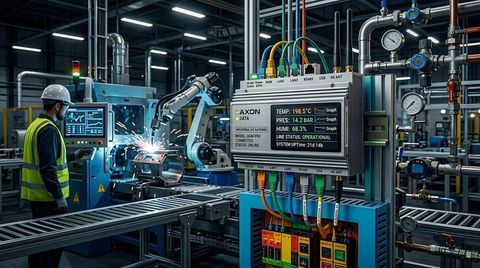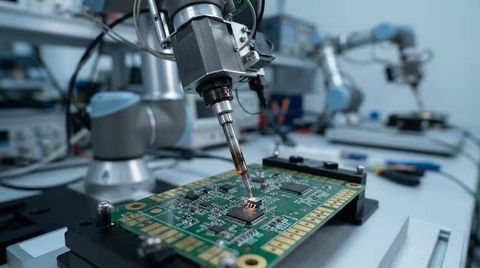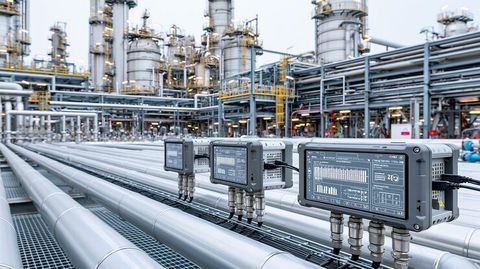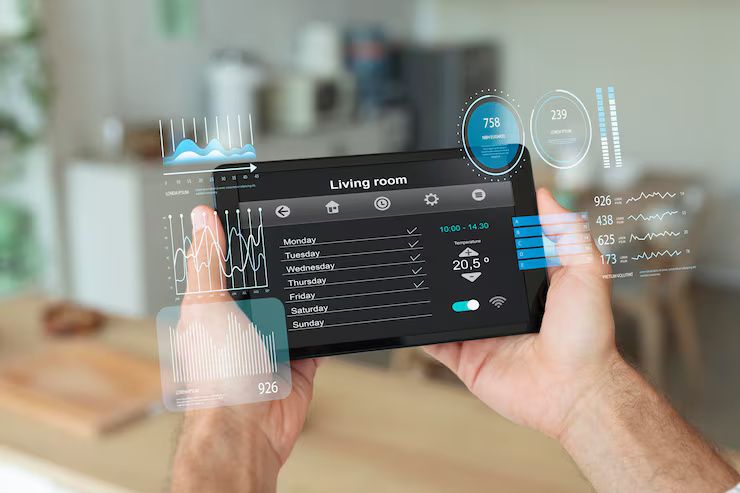
Smart sensors are advanced sensing devices designed to collect data from their surroundings and process it locally before sending it to other systems. Unlike traditional sensors that only detect physical changes such as temperature or pressure, smart sensors combine sensing elements with embedded processors, communication modules, and software logic.
Smart sensors are designed to collect and process data in environments where real-time monitoring and automated responses are required. They convert physical conditions such as temperature, pressure, or motion into digital signals that systems can analyze and act upon.
These devices are essential components of modern connected technologies, supporting automation and data-driven decision-making across industries.
Importance: Why Smart Sensors Matter Today
Smart sensors play a critical role in improving efficiency, safety, and accuracy in modern systems. Their relevance has grown as industries rely more on automation and real-time insights.
Key Reasons for Importance
- Real-time data collection for faster decision-making
- Reduced manual intervention through automation
- Improved accuracy with built-in data validation
- Scalability for large sensor networks
They are widely used in manufacturing, healthcare, transportation, and environmental monitoring.
How Smart Sensors Work
Smart sensors combine sensing elements with processing and communication capabilities. This allows them to perform more than just measurement.
Core Functional Components
- Sensing element to detect physical changes
- Microprocessor for data processing
- Communication module for transmitting data
- Power system for operation
These components enable sensors to analyze and share data efficiently.
Smart Sensor Function Overview
| Component | Function | Benefit |
|---|---|---|
| Sensing Element | Detects physical conditions | Accurate measurement |
| Microprocessor | Processes data | Reduces raw data errors |
| Communication Unit | Sends data to systems | Enables connectivity |
| Power Module | Supplies energy | Supports continuous operation |
Applications of Smart Sensors
Smart sensors are used in a wide range of environments where monitoring and automation are required.
Common Applications
- Industrial automation and predictive maintenance
- Healthcare monitoring systems
- Environmental and climate monitoring
- Smart cities and infrastructure
- Transportation and logistics systems
These applications rely on accurate data for efficient operations.
Recent Updates: Trends and Developments (2024–2025)
Smart sensor technology has advanced with improvements in processing, connectivity, and integration.
Key Trends
- Integration of artificial intelligence at the sensor level
- Growth of edge computing capabilities
- Adoption of low-power wireless communication
- Updated standards for interoperability and cybersecurity
- Increased use in environmental monitoring projects
These developments enhance performance, efficiency, and scalability.
Laws and Policies Affecting Smart Sensors
Smart sensors are influenced by regulations related to data protection, safety, and technical standards.
Key Regulatory Areas
- Data privacy regulations such as GDPR
- Technical standards from ISO and IEC
- Cybersecurity requirements for connected devices
- Government smart infrastructure initiatives
These frameworks ensure safe and responsible deployment of sensor systems.
Tools and Resources for Smart Sensor Systems
Various tools support the development, deployment, and monitoring of smart sensors.
Helpful Tools and Resources
- Sensor simulation platforms
- Embedded development kits (SDKs)
- Cloud-based monitoring dashboards
- Data analytics tools
- Technical documentation from standards organizations
Smart Sensor Tools Overview
| Tool Category | Primary Purpose | Typical Use Case |
|---|---|---|
| Simulation Platforms | Model sensor behavior | Design and testing |
| Embedded SDKs | Configure sensor firmware | Device setup |
| Monitoring Dashboards | Track real-time data | System oversight |
| Analytics Tools | Analyze data patterns | Decision support |
These tools ensure efficient and reliable system performance.
FAQs: Common Questions About Smart Sensors
What makes a sensor “smart”?
A smart sensor includes processing and communication capabilities in addition to sensing functions.
Where are smart sensors used?
They are used in industries such as manufacturing, healthcare, transportation, and environmental monitoring.
How do smart sensors ensure data accuracy?
They use filtering, calibration, and validation techniques before transmitting data.
Do smart sensors require constant connectivity?
Not always. Some process data locally and transmit only when needed.
Are smart sensors affected by cybersecurity risks?
Yes, secure communication and data protection measures are necessary.
Conclusion
Smart sensors are a key component of modern digital systems, combining sensing, processing, and communication into a single device. They enable accurate and real-time data collection across various industries.
Recent advancements in edge computing, wireless communication, and standardization continue to improve their capabilities. At the same time, regulatory frameworks ensure safe and responsible usage.
Understanding smart sensors helps support efficient system design, reliable monitoring, and informed decision-making in today’s connected environments.