Thermoforming machines are industrial systems that shape thermoplastic sheets into specific products by applying heat and forming pressure or vacuum. The process is widely used in packaging, automotive components, medical products, consumer goods, construction materials, and food containers.
Thermoforming exists because many plastic products require consistent shapes, repeatable dimensions, and efficient production from sheet materials. Depending on the application, a machine can produce thin packaging trays, protective covers, interior vehicle panels, equipment housings, or larger molded components.
The technology combines controlled heating, mechanical forming, cooling, and trimming. Different machine configurations are available to accommodate production volume, material thickness, product geometry, and quality requirements.
Understanding Thermoforming Equipment
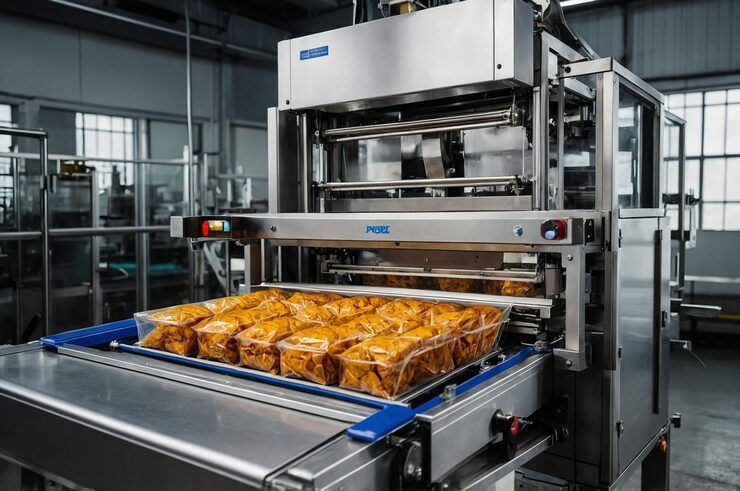
A typical thermoforming machine contains a heating system, sheet-feeding mechanism, forming station, mold, cooling arrangement, and controls. Some production lines also include automatic trimming, stacking, inspection, and material-handling equipment.
The plastic sheet is heated until it becomes sufficiently flexible to take the shape of a mold. The forming system then uses vacuum, compressed air, mechanical force, or a combination of methods to shape the material. After cooling, the formed component is removed and may undergo additional finishing.
Common equipment types include:
Vacuum forming machines: Use suction to draw heated plastic against a mold.
Pressure forming machines: Apply compressed air to improve material definition and surface detail.
Twin-sheet thermoforming machines: Form two heated sheets and join them into a hollow or double-wall component.
Automatic thermoforming lines: Integrate sheet feeding, heating, forming, trimming, and handling.
Laboratory thermoforming equipment: Supports prototyping, material testing, and small-scale production.
Machine selection depends on the required product design, material properties, forming precision, and manufacturing environment.
How the Thermoforming Process Works
Thermoforming generally involves several stages.
Sheet preparation: Plastic sheets are inspected and positioned for processing. Their thickness, composition, and surface condition influence the forming process.
Heating: Heating elements bring the sheet to a suitable forming temperature. Temperature must be controlled to prevent uneven stretching, degradation, or surface defects.
Forming: The softened sheet is shaped over or into a mold using vacuum, pressure, mechanical assistance, or a combination of techniques.
Cooling: The material is cooled until it retains the required shape and dimensional stability.
Trimming and finishing: Excess material is removed, openings may be cut, and the component is inspected.
Quality control: Finished parts are checked for dimensions, wall thickness, surface appearance, and other application-specific requirements.
The exact sequence varies by machine design and product type.
Importance of Thermoforming Machines
Thermoforming technology supports industries that need repeatable plastic components with different shapes, sizes, and surface characteristics.
Packaging Manufacturing
Food packaging, protective trays, product inserts, lids, and containers are common thermoformed products. Packaging manufacturers use the technology to produce components with defined dimensions and shapes suited to their contents.
Food-contact applications require particular attention to material selection, hygiene, contamination prevention, and applicable packaging regulations.
Automotive and Industrial Applications
Thermoformed plastics are used in vehicle interior panels, luggage compartments, equipment covers, protective housings, and selected structural or decorative components.
Industrial applications can also include machine guards, agricultural equipment covers, display components, and large plastic enclosures.
Production Efficiency
Thermoforming can be suitable for products that require relatively large formed surfaces or a range of component sizes. Tooling design, heating efficiency, material utilization, and cycle time all influence production performance.
The process can generate offcuts during trimming. Where the material is compatible and uncontaminated, these offcuts may be collected for appropriate recycling or reprocessing.
Recent Developments in Thermoforming Technology
Developments during 2025 and 2026 have continued to emphasize automation, energy management, packaging material reduction, and the use of recyclable or recycled plastics.
Automation and Process Monitoring
Modern thermoforming systems increasingly use programmable controls, temperature sensors, automated sheet handling, and integrated inspection systems.
These technologies can help maintain consistent forming conditions and identify production variations. Automated controls do not eliminate the need for material testing, mold maintenance, or operator oversight.
Sustainable Packaging Materials
Packaging manufacturers continue to examine ways to reduce unnecessary material use and improve compatibility with established recycling systems.
Thermoforming can accommodate certain recycled and recyclable thermoplastics, but performance depends on the polymer, recycled-content level, sheet quality, and final product requirements.
Material selection must consider strength, clarity, barrier properties, food-contact suitability, and the availability of appropriate recycling infrastructure.
Energy and Material Efficiency
Heating is a significant part of thermoforming energy consumption. Manufacturers therefore assess heater design, insulation, temperature control, machine idle periods, and production scheduling.
Improved sheet layout and trimming optimization can also reduce material waste. However, actual energy savings and material reductions depend on machine configuration, operating conditions, and production measurements.
Digital Manufacturing
Digital monitoring can help record operating temperatures, cycle times, machine downtime, and product defects. These records support preventive maintenance and process improvement.
During 2025–2026, automation and digital manufacturing remained important areas of development across plastics processing, although the availability of specific features varies by manufacturer and equipment model.
Laws, Regulations, and Industrial Safety
Thermoforming facilities must comply with regulations governing machinery safety, workplace conditions, emissions, product materials, and waste management. The exact requirements depend on the country and the products being manufactured.
Machinery Safety in the European Union
The European Union's machinery safety framework includes the Machinery Directive 2006/42/EC. The Machinery Regulation (EU) 2023/1230 is scheduled to apply from January 20, 2027, replacing the directive's framework for relevant machinery placed on the EU market.
These rules address machinery safety, risk assessment, technical documentation, and conformity requirements. Manufacturers and operators should confirm which provisions apply to their equipment and the date it is placed on the market.
Occupational Safety in the United States
The Occupational Safety and Health Administration establishes workplace safety requirements relevant to plastics processing.
Important considerations include machine guarding, electrical safety, lockout/tagout procedures during maintenance, heat exposure, ventilation, and protection against moving equipment.
Thermoforming facilities should establish operating procedures and train workers to recognize hazards associated with heated plastic, pneumatic systems, trimming equipment, and automated machinery.
Environmental and Packaging Regulations
Plastic manufacturing can be affected by waste management rules, air-emission requirements, and packaging regulations.
In the European Union, Regulation (EU) 2025/40 on packaging and packaging waste entered into force in February 2025 and is generally scheduled to apply from August 12, 2026, subject to specific provisions and transitional arrangements.
Packaging manufacturers should evaluate the requirements relevant to their products, materials, labeling, and intended markets.
Tools and Resources for Thermoforming
Technical resources can help manufacturers assess equipment requirements, material suitability, and regulatory obligations.
Engineering and Process Tools
CAD software: Supports component design, mold development, and dimensional evaluation.
Thermal analysis tools: Help evaluate heating patterns and temperature distribution.
Material datasheets: Provide information about forming temperatures, thickness, mechanical properties, and chemical compatibility.
Production monitoring systems: Record cycle times, temperature variation, downtime, and defect rates.
Quality inspection equipment: Measures dimensions, wall thickness, surface finish, and other product characteristics.
Equipment Evaluation Checklist
| Factor | Information to Evaluate |
|---|---|
| Material | Polymer type and sheet composition |
| Sheet thickness | Minimum and maximum processing range |
| Forming method | Vacuum, pressure, mechanical, or combined |
| Production capacity | Target output per hour or production cycle |
| Mold requirements | Dimensions, complexity, and cooling needs |
| Energy consumption | Heating, compressed air, and electrical demand |
| Automation | Sheet feeding, trimming, stacking, and inspection |
| Safety | Guards, emergency stops, and maintenance procedures |
| Waste management | Offcut collection and recycling compatibility |
Manufacturers should assess the complete production line rather than selecting equipment based solely on its stated cycle speed.
Frequently Asked Questions
What are thermoforming machines used for?
Thermoforming machines shape heated thermoplastic sheets into products such as packaging trays, containers, automotive panels, protective covers, and industrial enclosures.
What is the difference between vacuum forming and pressure forming?
Vacuum forming uses suction to draw heated plastic against a mold. Pressure forming adds compressed air to help achieve greater surface definition and detail in suitable applications.
Which plastics can be thermoformed?
Common materials include PET, HIPS, ABS, PVC, and certain grades of polypropylene and polycarbonate. The appropriate polymer depends on forming temperature, product performance, chemical compatibility, and applicable safety requirements.
What factors influence thermoforming machine performance?
Performance depends on heating uniformity, material thickness, mold design, cooling time, forming pressure, automation, maintenance, and the required product quality.
Can thermoforming support sustainable manufacturing?
It can support material-efficient manufacturing when sheet layout, trimming, energy use, and material selection are managed carefully. Recycled-content materials and recyclable designs may also be suitable for particular applications, depending on technical requirements and available recycling systems.
Conclusion
Thermoforming machines play an important role in modern plastics manufacturing by converting heated thermoplastic sheets into packaging, automotive components, protective housings, and numerous industrial products.
The process combines heating, forming, cooling, trimming, and quality inspection. Vacuum forming, pressure forming, twin-sheet forming, and automated production lines serve different manufacturing requirements.
Recent developments in automation, digital process monitoring, energy management, and recyclable materials demonstrate the industry's continuing focus on production consistency and material efficiency. At the same time, machinery safety, workplace procedures, packaging regulations, and waste management requirements remain essential considerations.
Selecting an appropriate thermoforming system requires evaluating the material, product geometry, production capacity, mold design, energy requirements, safety features, and regulatory obligations. Careful process control and appropriate equipment selection can support reliable production and more responsible use of plastic materials.