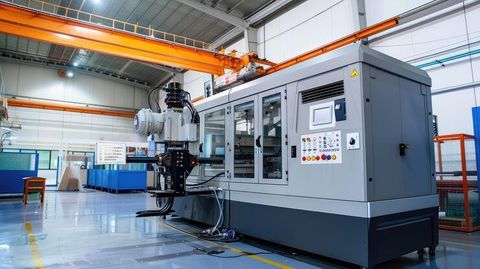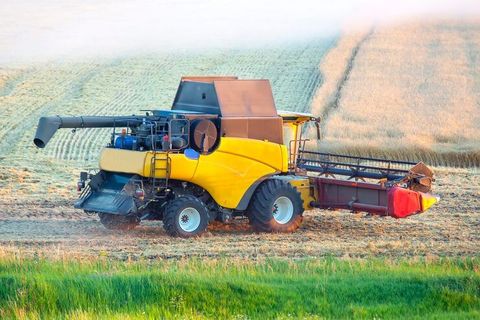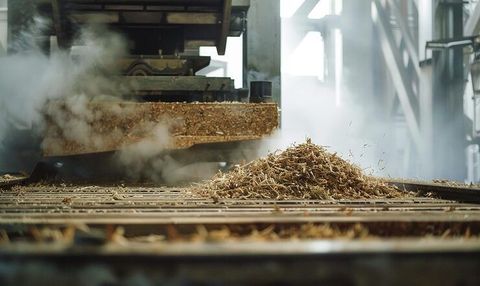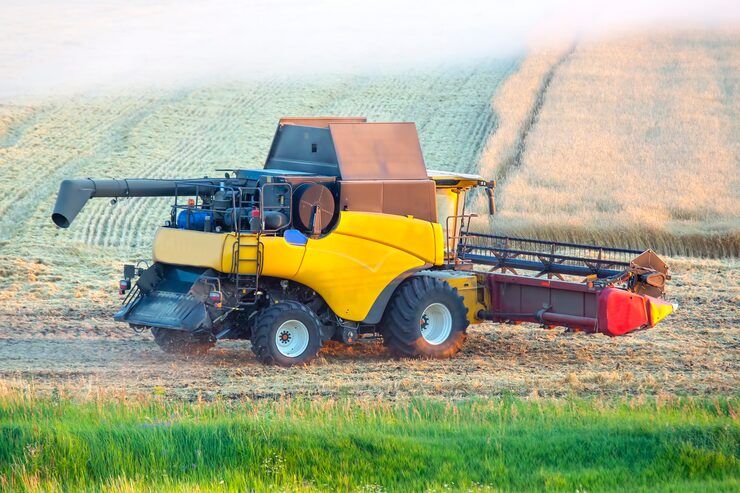
Threshers are agricultural machines designed to separate grain or seeds from harvested plants. They help farmers process crops such as wheat, rice, barley, maize, sorghum, and other cereals by separating edible grain from stalks, husks, and other plant material.
Before mechanical threshers became widely available, many farmers relied on manual methods or animal-powered equipment to separate grain after harvesting. These methods required considerable physical effort and could take substantial time, especially when processing large harvests.
Modern threshing machinery uses mechanical actions such as impact, friction, and vibration to separate grain from the harvested crop. Depending on the design, the machine may also include cleaning systems that remove chaff, dust, and lightweight plant residues.
Threshers are used on small farms, large agricultural holdings, grain-processing facilities, and cooperative farming operations. Their size and configuration depend on crop type, field conditions, harvesting practices, and the amount of grain requiring processing.
Understanding Agricultural Threshers
The main purpose of a thresher is to separate grain from the plant material that holds it. This process occurs after harvesting, although modern combine harvesters integrate cutting, threshing, and cleaning into one machine.
A conventional thresher generally receives harvested crop material through a feeding mechanism. Inside the machine, a rotating drum or cylinder works against a concave surface to loosen grain from ears, heads, or pods.
The separated material then passes through sieves, screens, or airflow systems. These components help distinguish grain from straw, chaff, and other unwanted material.
Common types of threshers include:
Wheat threshers: Designed to separate wheat kernels from harvested ears and straw.
Rice threshers: Process paddy crops and release grains from their panicles.
Multi-crop threshers: Accommodate selected crop varieties through adjustable settings or interchangeable components.
Maize threshers: Separate kernels from maize cobs.
Axial-flow threshers: Move crop material along a rotating rotor to support threshing and separation.
Portable threshers: Provide a compact configuration for farms with limited processing space.
A machine designed for one crop may not perform equally well with another. Crop moisture, grain size, stalk characteristics, drum speed, and concave clearance all influence performance.
How a Thresher Works
Although designs vary, most conventional threshers follow several basic operating stages.
Crop feeding: Harvested plants or crop heads enter the machine through a controlled feeding mechanism.
Threshing: A rotating drum, cylinder, or rotor separates grain from the surrounding plant material through impact, rubbing, or a combination of mechanical actions.
Separation: Sieves and airflow systems help separate grain from straw, husks, and lightweight residues.
Cleaning: Screens and air movement remove remaining chaff and other contaminants.
Collection: The separated grain is directed into a collection container, bagging arrangement, or another suitable storage system.
Correct adjustment is important. Excessive drum speed or unsuitable clearances can damage grain, while insufficient threshing intensity can leave valuable kernels attached to the plant material.
Why Threshers Matter in Modern Agriculture
Threshers play an important role in post-harvest management because grain must be separated efficiently before cleaning, drying, storage, or further processing.
Improving Harvest Processing
Manual threshing can require considerable time and physical effort, particularly when processing large quantities of grain. Mechanical threshers can increase processing capacity and help farmers complete post-harvest activities within a shorter period.
Their usefulness depends on suitable machine selection, regular maintenance, crop conditions, and correct operating procedures.
Reducing Grain Losses
Poor threshing practices can leave kernels attached to straw or damage grain through excessive mechanical force. Properly adjusted equipment can help reduce these losses and improve the consistency of harvested grain.
Important performance measures include:
Threshing efficiency
Grain damage percentage
Unseparated grain percentage
Grain cleanliness
Processing capacity
Fuel or electricity consumption
These indicators help farmers and agricultural technicians evaluate machine performance under actual field conditions.
Recent Developments in Threshing Technology
Agricultural mechanization continued to receive attention during 2025 and 2026, particularly through government initiatives, machinery testing, and improvements in access for smaller farms.
Agricultural Mechanization Initiatives in India
On July 9, 2026, India's Ministry of Agriculture and Farmers Welfare reported continued implementation of the Sub-Mission on Agricultural Mechanization. The initiative supports wider access to agricultural equipment, including machinery banks, custom machinery centers, and equipment for small and marginal farmers.
The program also supports mechanization in regions where access to agricultural machinery remains limited. Its broader objectives include reducing physical labor, improving the timing of agricultural operations, and strengthening post-harvest management.
Machinery Safety and Testing
During 2025, India's agricultural machinery institutions continued to publish technical testing information and performance standards for equipment such as power threshers and combine harvester-threshers.
Testing helps assess operating performance, safety features, and conformity with relevant technical requirements. For farmers, this makes verified technical specifications an important consideration when comparing machinery.
Improved Grain Separation
Modern threshing equipment increasingly focuses on adjustable operating settings, improved separation systems, reduced grain damage, and compatibility with different crop varieties.
These improvements are particularly relevant when farmers process crops with different moisture levels, grain sizes, and stalk characteristics. Actual performance varies by machine design and operating conditions.
Laws, Policies, and Safety Standards
Agricultural threshers are affected by machinery safety requirements, applicable agricultural standards, and government programs that support farm mechanization.
Indian Standards for Power Threshers
The Bureau of Indian Standards maintains technical standards for power threshers, including requirements associated with equipment performance and safety.
Relevant standards include IS 9020 for power-thresher safety requirements and IS 9019 for installation, operation, and preventive maintenance of power threshers. Farmers and equipment operators should consult current applicable standards and guidance when evaluating machinery.
Government Support for Farm Mechanization
India's Sub-Mission on Agricultural Mechanization supports the adoption of agricultural equipment through eligible assistance programs and shared machinery facilities.
Under this approach, custom hiring centers and farm machinery banks can help farmers access equipment without each farm needing to maintain its own complete set of machines. Eligibility, support levels, and application procedures vary by scheme, state, and beneficiary category.
Farmers should check current information from the relevant state agriculture department before making decisions based on expected assistance.
Workplace and Operating Safety
Threshers contain rotating components and powerful moving parts that can cause serious injuries if used incorrectly.
Essential precautions include:
Keep guards and protective covers in place.
Never insert hands or tools into moving mechanisms.
Stop the machine and isolate its power source before clearing blockages.
Keep loose clothing, jewelry, and unsecured hair away from rotating parts.
Use appropriate footwear, hearing protection, and other required protective equipment.
Keep children and unauthorized people away from operating machinery.
Follow the manufacturer's instructions for installation and maintenance.
Training and supervision are especially important for operators who are unfamiliar with powered agricultural machinery.
Tools and Resources for Thresher Selection
Farmers can use technical documents, agricultural calculators, and government resources to assess which type of thresher fits their needs.
Machine Performance Checklist
Before selecting equipment, record the following information.
Factor | What to Evaluate |
|---|---|
Crop type | Wheat, rice, maize, barley, or other crops |
Processing capacity | Kilograms or tonnes per hour |
Grain quality | Acceptable grain damage and separation levels |
Power source | Electric motor, diesel engine, tractor, or manual operation |
Portability | Fixed installation or transport between fields |
Maintenance | Spare parts, inspection, and cleaning requirements |
Safety | Guards, emergency controls, and operator protection |
Testing | Applicable standards and documented performance |
Agricultural Calculators
Simple spreadsheets can help estimate processing time and operating requirements.
For example, if a thresher processes 1,000 kilograms of crop per hour, processing 5,000 kilograms would take approximately five hours at its rated throughput. Actual time may be longer because of feeding interruptions, cleaning, maintenance, and changes in crop conditions.
Energy consumption can also be estimated by dividing measured electricity use by the quantity of grain processed.
Government and Technical Resources
Useful resources include:
Bureau of Indian Standards publications on power-thresher safety
State agriculture department guidance on agricultural machinery
Agricultural engineering research institutions
Farm machinery testing and training centers
Crop-specific operating manuals
Government agricultural mechanization portals
These resources can help farmers compare technical specifications, understand operating requirements, and identify applicable safety guidance.
Frequently Asked Questions
What is an agricultural thresher?
An agricultural thresher is a machine that separates grain or seeds from harvested plant material. It is commonly used for crops such as wheat, rice, barley, and maize.
What is the difference between a thresher and a combine harvester?
A conventional thresher processes harvested crop material after it has been cut. A combine harvester integrates several operations, including harvesting, threshing, and grain cleaning, into one machine.
Which thresher is suitable for multiple crops?
A multi-crop thresher can process selected crop types using suitable adjustments or interchangeable components. Compatibility should be confirmed for each crop because grain size, stalk structure, and operating requirements differ.
How can grain damage during threshing be reduced?
Grain damage can be reduced by adjusting drum speed and concave clearance appropriately, using suitable crop moisture conditions, maintaining machine components, and avoiding excessive feeding rates.
What safety precautions are important when operating a thresher?
Operators should maintain protective guards, avoid contact with moving parts, isolate power before clearing blockages, wear suitable protective equipment, and follow the manufacturer's operating instructions.
Conclusion
Threshers are important agricultural machines that help separate grain from harvested crops and support efficient post-harvest processing. Different designs serve different crops and farm sizes, ranging from portable machines to high-capacity threshing systems.
Recent developments in agricultural mechanization, machinery testing, and equipment design reflect continued attention to grain quality, operational efficiency, and safer working conditions. Government initiatives can also help eligible farmers access appropriate machinery through individual assistance or shared equipment facilities.
Selecting a suitable thresher requires consideration of crop type, processing capacity, grain quality, energy requirements, maintenance, and safety. With correct adjustment, regular inspection, and responsible operation, threshing machinery can support reliable grain processing and reduce avoidable post-harvest losses.