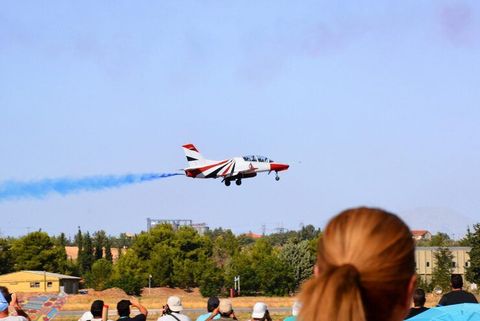
Ultralight flying is a form of recreational aviation involving lightweight aircraft designed for relatively simple flight operations. Depending on the country, the term can describe different aircraft categories, including powered ultralights, weight-shift aircraft, powered parachutes, and other lightweight recreational aircraft.
The attraction of ultralight aviation comes partly from its relatively simple aircraft design and direct connection between pilot and the surrounding environment. Many ultralight aircraft have open or partially enclosed cockpits, allowing pilots to experience the landscape and airflow more directly than in conventional aircraft.
Ultralight flying is also connected with flight training, recreational aviation, aviation insurance, aircraft maintenance, pilot certification, and aviation safety. Because regulations differ significantly between countries, understanding the applicable definition is one of the first steps in researching the activity.
What Is an Ultralight Aircraft?
An ultralight aircraft is generally designed around low weight and relatively simple operating characteristics. However, there is no single worldwide definition.
In the United States, FAA regulations under 14 CFR Part 103 establish the definition and operating framework for ultralight vehicles.
A U.S. powered ultralight must meet specific requirements involving characteristics such as empty weight, fuel capacity, maximum airspeed, and power-off stall speed.
Common types can include:
Powered fixed-wing ultralights
Weight-shift-control aircraft
Powered parachutes
Lightweight recreational aircraft
Certain experimental or sport-oriented aircraft, depending on classification
The regulatory category is important because an aircraft that looks like an ultralight may actually fall under another aviation certification framework.
How Ultralights Differ From Conventional Aircraft
Ultralight aircraft are generally designed around simplicity and lightweight construction. Many have smaller engines, lower operating speeds, and fewer systems than conventional general-aviation aircraft.
However, simple construction does not mean that pilots can ignore aviation fundamentals.
Important knowledge areas include:
Weather
Aerodynamics
Airspace
Aircraft control
Emergency procedures
Navigation
Weight and balance
Equipment inspection
Risk management
Why Ultralight Flying Matters Today
Recreational Aviation
Ultralight aviation provides an alternative pathway into recreational flying. It can be particularly relevant to people interested in lightweight aircraft, aerial sightseeing, aviation technology, and outdoor recreation.
The topic is relevant to searches involving:
Ultralight aircraft
Recreational aviation
Flight training
Pilot training
Aviation safety
Aircraft maintenance
Aviation insurance
Sport aviation
The exact requirements depend heavily on the aircraft category and country.
Training and Pilot Skills
Even where a government pilot certificate is not required for a particular ultralight category, structured training is important.
Training can cover:
Ground handling
Takeoff procedures
Landing techniques
Weather assessment
Airspace awareness
Emergency procedures
Aircraft limitations
Navigation
Weight and balance
Preflight inspections
The absence of a traditional pilot certificate requirement in one regulatory category should not be interpreted as an absence of skill requirements.
Accessibility to Aviation
Lightweight aircraft can provide a relatively direct introduction to recreational aviation. Their operating characteristics can make them attractive to people interested in basic flight principles and outdoor flying.
At the same time, ultralight aviation has limitations. Weather exposure, lower speeds, limited payload, restricted operating areas, and aircraft-specific characteristics must all be considered.
| Factor | Ultralight Aviation Consideration |
|---|---|
| Aircraft weight | Determines regulatory classification |
| Airspeed | Affects operating environment |
| Weather | Strong influence on lightweight aircraft |
| Payload | May be limited |
| Fuel | Determines endurance |
| Airspace | Establishes where flight can occur |
| Terrain | Influences emergency options |
| Maintenance | Important for lightweight systems |
Recent Developments in Ultralight Aviation
FAA Sport Pilot and MOSAIC Changes
One of the most significant recent developments affecting the broader U.S. light-sport aviation environment is the FAA's implementation of the Modernization of Special Airworthiness Certification (MOSAIC) framework.
The FAA published a final rule in July 2025 expanding and modernizing the Light-Sport Aircraft category and modifying sport-pilot privileges. The agency stated that the rule would expand the range of aircraft that sport pilots can fly and modernize the certification framework. (faa.gov)
The rule became effective on October 22, 2025, according to the FAA. (faa.gov)
These changes primarily concern certificated aircraft and sport-pilot operations rather than automatically changing the definition of Part 103 ultralights. This distinction is important when researching ultralight aircraft.
Updated Pilot Guidance
The FAA's handbook library continues to receive updates supporting pilot knowledge and training. Current publications address aerodynamics, aircraft systems, weather, airspace, navigation, human factors, and risk management.
The FAA also issued updated guidance connected with the sport-pilot and light-sport-aircraft changes during 2025 and 2026.
Digital Aviation Tools
Modern recreational pilots increasingly use electronic flight information, GPS navigation, digital weather products, aviation chart applications, and electronic logbooks.
These tools can improve situational awareness, but ultralight pilots remain responsible for understanding applicable airspace and operating limitations.
Safety Technology
Some lightweight aircraft can incorporate modern avionics, GPS equipment, radios, emergency beacons, and digital instruments. Equipment varies widely by aircraft category.
Technology can support pilot awareness, but it cannot replace preflight inspection, training, weather assessment, or conservative decision-making.
Laws, Regulations and Aviation Policies
United States Part 103
In the United States, many ultralight vehicles are regulated under 14 CFR Part 103.
Part 103 establishes operating rules for certain ultralight vehicles. The framework includes requirements involving vehicle characteristics, daylight operation, visibility, airspace, congested areas, and right-of-way.
The FAA explains that Part 103 ultralight vehicles are generally used for recreational or sporting purposes and are subject to specific operating limitations. (faa.gov)
Aircraft Requirements
For a powered ultralight under Part 103, the aircraft must satisfy defined limitations relating to characteristics such as empty weight, fuel capacity, maximum airspeed, and power-off stall speed.
The FAA's regulatory material should be consulted directly because the precise definition determines whether a particular aircraft qualifies.
Operating Restrictions
Part 103 includes restrictions affecting where and when ultralights can operate.
Among other requirements, operators generally must:
Operate during appropriate daylight conditions.
Maintain appropriate visual conditions.
Avoid prohibited or restricted areas unless permitted.
Avoid hazardous operations around people and property.
Give way according to applicable right-of-way rules.
Maintain awareness of surrounding aircraft.
Ultralights are not simply exempt from aviation rules. They operate within a specific regulatory framework.
Pilot Certification
One major difference between Part 103 ultralights and many certificated aircraft is that the FAA does not issue a conventional pilot certificate specifically for operating a Part 103 ultralight.
However, training remains strongly important. Some flying organizations provide structured training and proficiency systems even where federal pilot certification is not required.
Sport Pilot and Ultralight Distinction
The 2025 MOSAIC rule should not be confused with Part 103.
Sport pilots operate certificated aircraft under the applicable sport-pilot regulations, while qualifying ultralights operate under Part 103.
A lightweight aircraft can therefore fall into different regulatory categories depending on its specifications and certification status.
International Regulations
Other countries may have completely different systems.
Regulations can address:
Aircraft registration
Pilot licensing
Medical requirements
Aircraft certification
Insurance
Training
Airspace
Operating locations
Maintenance
Environmental restrictions
International travelers should consult the national civil aviation authority before attempting to fly an ultralight abroad.
Tools and Resources for Ultralight Flying
FAA Resources
U.S. pilots and researchers can use:
Federal Aviation Regulations
FAA Airplane Flying Handbook
Pilot's Handbook of Aeronautical Knowledge
Aviation Weather Handbook
Aeronautical Information Manual
FAA aeronautical charts
NOTAM information
FAA safety publications
The FAA's official ultralight information explains the Part 103 framework and related safety considerations. (faa.gov)
Weather Planning
Weather is particularly important for lightweight aircraft.
Useful information can include:
Wind speed
Wind direction
Visibility
Cloud conditions
Precipitation
Temperature
Thunderstorm activity
Local weather observations
Pilots should use appropriate aviation weather sources rather than relying exclusively on a general consumer forecast.
Navigation and Airspace
Useful tools include:
Aeronautical charts
GPS navigation
Digital airspace maps
NOTAM databases
Airport information
Electronic flight-planning applications
Terrain maps
Pilots should verify that digital databases are current before flight.
Maintenance and Preflight Resources
A basic preflight process can include inspection of:
Wing or airframe
Control systems
Engine
Propeller
Fuel system
Landing gear
Harnesses
Fasteners
Instruments
Communication equipment
The aircraft's maintenance instructions and applicable regulations should always take priority over a generic checklist.
Aviation Insurance
Insurance requirements vary according to aircraft category, country, flying site, and activity. Pilots researching aviation insurance should determine whether their specific aircraft and operating circumstances are covered.
Insurance should not be treated as a substitute for training or regulatory compliance.
Frequently Asked Questions
What is ultralight flying?
Ultralight flying involves operating a lightweight aircraft within a specific regulatory category. In the United States, qualifying vehicles can operate under FAA Part 103, which establishes specific definitions and operating limitations.
Do you need a pilot license to fly a Part 103 ultralight in the United States?
A conventional FAA pilot certificate is generally not required specifically for operating a qualifying Part 103 ultralight. However, appropriate training and practical knowledge are extremely important, and other aircraft categories have different certification requirements.
Can ultralights fly anywhere?
No. Part 103 establishes operating restrictions involving areas such as controlled airspace, congested locations, airports, visibility, and other conditions. Pilots must understand the applicable rules before flight.
Is ultralight flying safe?
Ultralight aviation involves inherent risks. Safety depends on aircraft condition, pilot training, weather assessment, airspace awareness, equipment, terrain, and decision-making. Lightweight aircraft can also be particularly sensitive to wind and turbulence.
Did the 2025 FAA rule change Part 103?
The FAA's 2025 MOSAIC final rule significantly changed the Light-Sport Aircraft and sport-pilot framework, but it did not simply replace the Part 103 ultralight category. Pilots should distinguish between certificated light-sport aircraft and qualifying Part 103 ultralights. (faa.gov)
Conclusion
Ultralight flying represents one part of the broader recreational aviation landscape. Lightweight aircraft can provide a direct connection with the environment and introduce pilots to fundamental concepts involving aerodynamics, weather, navigation, aircraft control, and aviation decision-making.
Recent developments in the United States, particularly the FAA's 2025 MOSAIC final rule, have modernized the broader light-sport-aircraft environment. However, those changes should not be interpreted as automatically changing the separate Part 103 framework for qualifying ultralight vehicles. (faa.gov)
Part 103 establishes specific operating requirements for qualifying ultralights, including aircraft characteristics and restrictions involving airspace, visibility, daylight operations, and populated areas. Other countries use different regulatory systems, so international pilots need to consult the applicable civil aviation authority.
For anyone researching ultralight aviation, the most important preparation involves understanding the aircraft's regulatory category, receiving appropriate training, studying weather, checking airspace, maintaining the aircraft correctly, and following applicable operating rules.
Ultralight flying may involve relatively simple aircraft, but responsible operation still requires aviation knowledge, preparation, equipment awareness, and careful judgment.