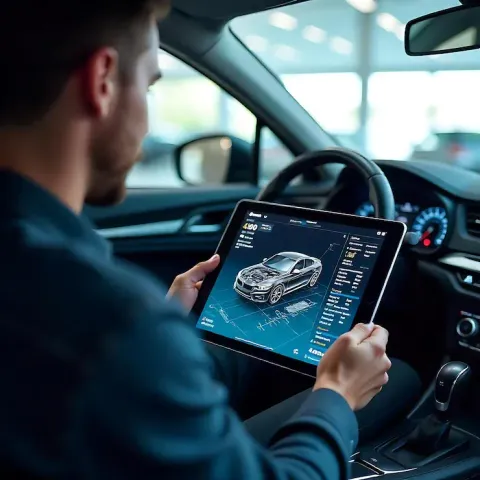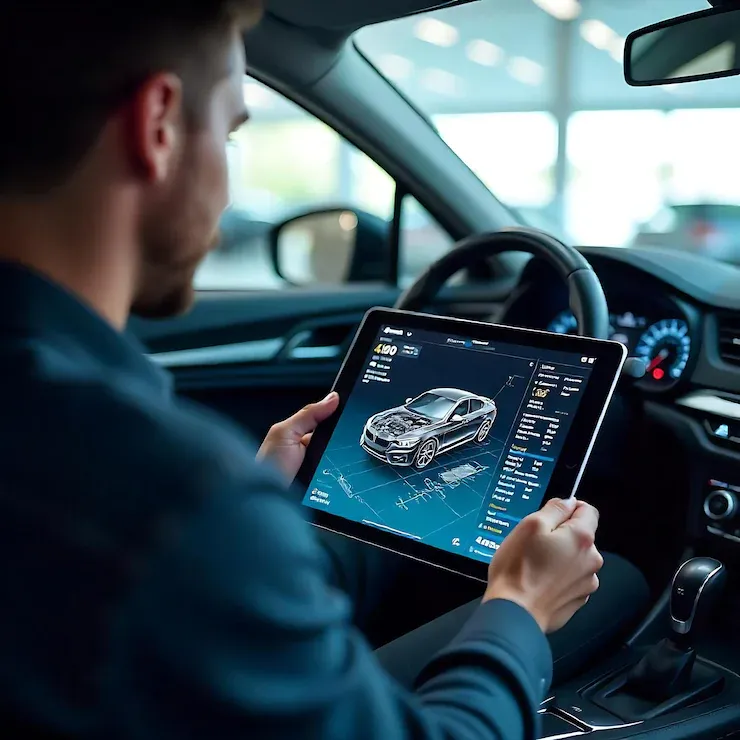
Modern vehicles are much more than engines and wheels. A car is made up of multiple interconnected systems that work together to provide movement, control, comfort, safety, and efficiency. Understanding these systems can make it easier to recognize how a vehicle operates, why different components matter, and what changes as automotive technology develops.
A vehicle systems guide provides an overview of the major mechanical, electrical, electronic, and safety systems found in modern cars. While individual vehicles differ in design, most rely on similar fundamental principles. Learning these basics can help drivers, students, automotive enthusiasts, and anyone researching vehicle technology develop a clearer understanding of what happens beneath the surface.
What Are Vehicle Systems?
Vehicle systems are groups of components designed to perform specific functions within a vehicle. Some systems generate and transfer power, while others control movement, manage electrical energy, protect passengers, or improve comfort.
These systems do not operate independently. The braking system, for example, works with electronic sensors and control modules in many modern vehicles. Similarly, the engine or electric motor works alongside the transmission, battery, control electronics, and drivetrain to deliver power to the wheels.
This integration is one of the defining characteristics of modern automotive engineering. Mechanical components remain important, but software, sensors, electronic control units, and communication networks now play a major role.
Engine and Powertrain Systems
The powertrain is responsible for generating and delivering the energy needed to move a vehicle. In conventional vehicles, the internal combustion engine converts fuel energy into mechanical power. The power then passes through other components before reaching the wheels.
Important parts of a conventional powertrain include the engine, transmission, driveshafts, differential, and axles. The transmission controls how engine power is delivered at different speeds and driving conditions.
Electric vehicles use a different approach. Instead of an internal combustion engine, they generally use one or more electric motors powered by a high-voltage battery. Power electronics regulate electricity between the battery and motor, allowing the vehicle to accelerate, slow down, and operate efficiently.
Hybrid vehicles combine combustion and electric power in different configurations. Their control systems determine when and how each source of power is used.
Transmission and Drivetrain
The transmission is an important part of the vehicle's power delivery system. Its primary function is to manage the relationship between engine or motor speed and wheel speed.
Traditional automatic transmissions use multiple gears and sophisticated hydraulic and electronic controls. Manual transmissions rely more directly on driver input through a clutch and gear selector. Continuously variable transmissions use a different mechanism to provide a continuously changing ratio.
The drivetrain also includes components that transfer power toward the wheels. Front-wheel drive sends power primarily to the front wheels, while rear-wheel drive sends power to the rear wheels. All-wheel-drive and four-wheel-drive configurations can distribute power across multiple wheels depending on the vehicle design and operating conditions.
Understanding drivetrain layouts is useful because they influence traction, handling characteristics, efficiency, and vehicle behavior in different environments.
Steering System
The steering system allows the driver to control the direction of the vehicle. Traditional steering systems used mechanical connections between the steering wheel and front wheels, while modern vehicles increasingly use electronic assistance.
Electric power steering uses an electric motor to help the driver turn the wheels. Sensors monitor steering input and vehicle conditions so that assistance can be adjusted according to driving requirements.
Some advanced vehicles also incorporate steering-related electronic controls as part of driver assistance technologies. Regardless of technology level, accurate steering response remains essential for maintaining vehicle control.
Braking System
The braking system converts the vehicle's motion into controlled deceleration. Most modern vehicles use disc brakes or a combination of disc and drum brakes, supported by hydraulic components.
When the brake pedal is pressed, braking force is transferred to the wheels. Modern vehicles commonly include electronic systems that monitor wheel movement and help maintain control during braking.
Anti-lock braking systems, commonly known as ABS, can reduce the likelihood of wheel lock during hard braking. Electronic brake-force management can also help distribute braking force according to vehicle conditions.
Electric and hybrid vehicles introduce another important concept: regenerative braking. During deceleration, the electric motor can operate in a way that converts some kinetic energy into electrical energy and sends it back to the battery.
Suspension and Vehicle Stability
The suspension system connects the vehicle body to the wheels while helping manage road impacts and maintain tire contact with the road.
Major suspension components can include springs, dampers, control arms, bushings, and stabilizer bars. These parts influence ride comfort, handling, stability, and wheel movement.
Modern vehicles may also use electronic stability systems that monitor steering angle, wheel speed, vehicle movement, and other parameters. These systems can intervene when the vehicle begins behaving differently from the driver's intended direction.
Suspension design is therefore not simply about comfort. It also contributes to handling, braking performance, tire contact, and overall vehicle stability.
Electrical and Electronic Systems
Electrical systems have become increasingly important in modern vehicles. Earlier cars had relatively simple electrical requirements, but today's vehicles may contain numerous sensors, electronic control units, communication networks, cameras, displays, and computerized functions.
The battery provides electrical energy for starting and operating various systems in conventional vehicles. The alternator replenishes electrical energy while the engine is operating. Electric vehicles use large traction batteries in addition to smaller low-voltage electrical systems.
Electronic control units, or ECUs, manage functions ranging from engine operation and transmission behavior to climate control and safety systems. These controllers communicate with sensors and other modules to process information and make rapid adjustments.
Vehicle Safety Systems
Vehicle safety systems are designed to reduce the risk or severity of accidents and protect occupants. Passive safety features include seat belts, airbags, head restraints, and structural components designed to manage crash forces.
Active safety systems focus on helping prevent or reduce the likelihood of collisions. Depending on the vehicle, these may include electronic stability control, automatic emergency braking, lane-related assistance, blind-spot monitoring, and adaptive cruise control.
Advanced driver assistance systems use combinations of cameras, radar, sensors, and software to interpret the vehicle's surroundings. These technologies can assist drivers, but they do not eliminate the need for attentive human control.
Thermal Management and Climate Control
Vehicles generate and manage considerable amounts of heat. Conventional engines require cooling systems to maintain appropriate operating temperatures, while electric vehicles also need thermal management for batteries, motors, and electronic components.
The cooling system in a combustion vehicle typically includes components such as a radiator, coolant, water pump, thermostat, and cooling fans.
Climate control systems manage the temperature and air quality inside the cabin. Modern systems may automatically regulate temperature, airflow, humidity, and air distribution according to selected settings and sensor information.
Connected and Intelligent Vehicle Systems
Connectivity is becoming a major part of vehicle technology. Modern vehicles can communicate with smartphones, navigation platforms, cloud-based services, and other digital systems.
Connected features may provide navigation information, vehicle status information, software updates, emergency communication, and other functions. Some vehicles can receive software updates electronically, reducing the need for certain changes to be performed manually.
The increasing use of software also means that vehicle design is gradually shifting toward a combination of mechanical engineering, electronics, computing, communication, and data processing.
How Vehicle Systems Work Together
The most important concept to understand is that vehicle systems operate as an integrated network.
For example, when a driver presses the accelerator, sensors detect the input. The vehicle's control systems determine the required power response. The powertrain generates or delivers that power, while transmission and drivetrain components transfer it toward the wheels. At the same time, stability and traction systems can monitor vehicle behavior.
During braking, wheel-speed sensors and electronic controllers may work alongside hydraulic braking components. In an electric vehicle, regenerative braking can also interact with the motor and battery system.
This coordination allows modern vehicles to respond quickly and efficiently to changing driving conditions.
Why Understanding Vehicle Systems Matters
Learning about vehicle systems provides useful knowledge beyond automotive terminology. It helps drivers understand warning indicators, recognize the purpose of major components, and communicate more clearly when discussing vehicle problems with qualified automotive professionals.
For students and technology enthusiasts, vehicle systems also demonstrate how mechanical engineering, electrical engineering, software, electronics, and materials science work together in a real-world product.
As vehicles become more electrified, automated, and connected, understanding these systems will become increasingly relevant.
The Future of Vehicle Systems
Vehicle technology is continuing to evolve. Electrification is increasing the importance of batteries, electric motors, power electronics, and thermal management. Advanced driver assistance is increasing the role of cameras, radar, sensors, and software.
Software-defined vehicle architectures are also changing how features are managed. Instead of every function depending entirely on fixed hardware, software can increasingly influence vehicle behavior and introduce new capabilities over the vehicle's lifecycle.
Future vehicle systems are likely to become more integrated, connected, energy-efficient, and software-driven. At the same time, fundamental requirements such as reliable braking, steering, structural safety, and controlled power delivery will remain essential.
Conclusion
A modern vehicle is a complex combination of mechanical, electrical, electronic, and software-based systems. The powertrain provides movement, the transmission and drivetrain transfer energy, steering and suspension support control, braking enables safe deceleration, and electronic systems coordinate many of these functions.
Safety technologies, connectivity, electrification, and intelligent control are further expanding what vehicles can do. Understanding these systems provides a practical foundation for appreciating how cars, hybrids, and electric vehicles operate.
Whether the goal is general knowledge, automotive study, or a better understanding of modern transportation technology, learning the fundamentals of vehicle systems is a useful starting point. The more these systems become interconnected, the more important it becomes to understand not only individual components but also how they work together as one vehicle.