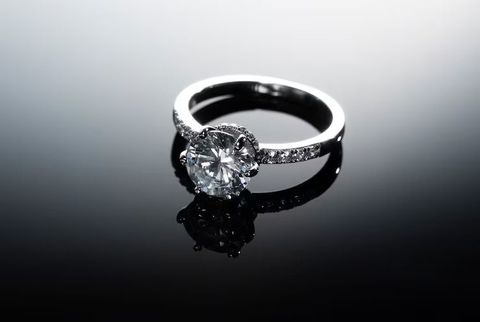
Vintage engagement rings are rings that reflect design characteristics from earlier historical periods. In jewelry terminology, “vintage engagement rings” often refer to rings that are at least 20–30 years old, while “antique engagement rings” are typically over 100 years old. These rings are valued for their craftsmanship, distinctive diamond cuts, and historical design elements.
Antique and vintage diamond rings are valued for their craftsmanship, history, and unique design elements. Unlike modern mass-produced rings, these pieces often feature hand-engraved details, filigree work, and distinctive diamond cuts.
Interest in vintage engagement rings has increased due to sustainability awareness and appreciation for heritage jewelry. Each historical era introduced specific styles, materials, and techniques that help identify authentic pieces.
Key Historical Eras
Vintage engagement rings are influenced by:
- Victorian era (1837–1901)
- Edwardian era (1901–1915)
- Art Deco era (1920–1935)
- Retro era (1940s)
Importance of Vintage Engagement Rings
Vintage rings combine artistic craftsmanship with durable materials such as platinum and high-karat gold.
Why They Matter Today
- Growing demand for sustainable jewelry
- Interest in unique, non-mass-produced designs
- Appreciation for hand-crafted details
- Preference for certified diamond rings with documented history
Who They Appeal To
Vintage rings are popular among:
- Individuals seeking heirloom-quality jewelry
- Collectors of antique diamond cuts
- Buyers looking for distinctive engagement ring styles
- Consumers interested in sustainability
Problems They Help Address
- Avoiding uniform modern designs
- Understanding diamond authenticity
- Identifying genuine antique craftsmanship
Key Vintage Ring Styles
Victorian Engagement Rings
Often feature yellow gold, romantic motifs, and colored gemstones alongside diamonds.
Edwardian Diamond Rings
Known for platinum settings, delicate filigree, and lace-like designs.
Art Deco Engagement Rings
Characterized by geometric shapes, symmetry, and bold lines.
Old European and Old Mine Cut Diamonds
These cuts feature larger facets and softer sparkle compared to modern brilliant cuts.
Diamond Cut Comparison
| Diamond Cut Type | Key Feature | Common Era |
|---|---|---|
| Old Mine Cut | Cushion shape, high crown | Georgian–Victorian |
| Old European Cut | Round, larger facets | Edwardian–Art Deco |
| Transitional Cut | Between old and modern cuts | 1930s–1940s |
Identifying Authentic Vintage Rings
Metal Hallmarks
Look for:
- Platinum stamps (PT, PLAT)
- Gold karat marks (14K, 18K)
- Country-specific hallmark symbols
Setting Characteristics
- Hand engraving instead of machine precision
- Milgrain detailing
- Platinum prongs in Edwardian rings
- Symmetry in Art Deco designs
Wear and Age Indicators
Authentic rings may show:
- Slight wear or patina
- Softened edges
- Signs of long-term use while maintaining structure
Common Characteristics Table
| Feature | Authentic Indicator |
|---|---|
| Hand Engraving | Slight irregularities |
| Platinum Use | Common in Edwardian era |
| Geometric Symmetry | Typical of Art Deco designs |
| Cushion Diamond | Found in old mine cuts |
| Filigree Detailing | Seen in Edwardian rings |
Recent Updates (2025–2026)
Recent trends have influenced the vintage jewelry market.
Sustainability Focus
Consumers increasingly prefer vintage rings as eco-friendly alternatives to newly mined diamonds.
Lab-Grown Diamonds
Lab-grown diamonds are now being used in vintage-inspired settings.
Increased Demand for Old Cuts
Old European cut diamonds have gained popularity due to their unique sparkle.
Educational Resources Growth
More platforms now provide information on antique diamond grading and certification.
Laws and Policies
Vintage engagement rings are subject to consumer protection and jewelry regulations.
Key Regulatory Areas
- Accurate disclosure of diamond treatments
- Clear labeling of lab-grown vs natural diamonds
- Proper identification of antique status
Regional Regulations
- Jewelry advertising guidelines ensure transparency
- Gold hallmarking standards verify metal purity
- Diamond grading standards support quality evaluation
Tools and Resources
Several tools help evaluate vintage engagement rings.
Diamond Evaluation Tools
- 4Cs grading charts (cut, color, clarity, carat)
- Historical diamond cut comparison guides
Hallmark Verification
- Online hallmark databases
- Metal purity reference guides
Appraisal Resources
- Jewelry appraisal checklists
- Stone measurement tools
- Certification documentation templates
Educational Platforms
- Gemology courses
- Jewelry research materials
- Professional appraisal associations
FAQs
What is the difference between vintage and antique rings?
Vintage rings are typically 20–30 years old, while antique rings are over 100 years old.
How can you identify an old European cut diamond?
It has a round shape, larger facets, and a softer sparkle compared to modern cuts.
Are vintage rings sustainable?
Yes, they reuse existing materials, reducing the need for new mining.
Do vintage rings need certification?
Certification helps verify authenticity and diamond quality.
Can modern rings replicate vintage styles?
Yes, but authentic rings show period-specific craftsmanship and materials.
Conclusion
Vintage engagement rings reflect historical artistry, unique design, and durable materials. Each era, from Victorian to Art Deco, contributes distinctive features that help identify authentic pieces.
Recent trends emphasize sustainability, certification, and growing interest in antique diamond cuts. Regulations ensure transparency and consumer protection in the jewelry market.
Understanding hallmark details, diamond characteristics, and historical design elements allows for informed evaluation. As interest in heritage jewelry grows, vintage engagement rings continue to offer a meaningful and distinctive alternative to modern designs.