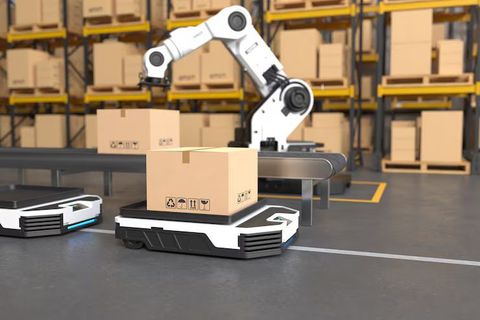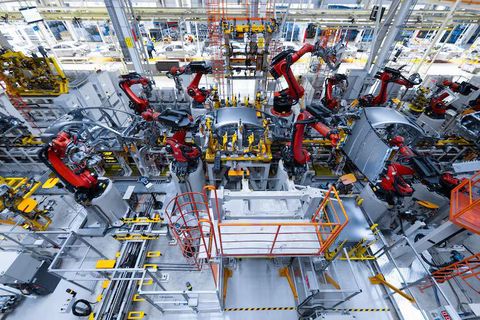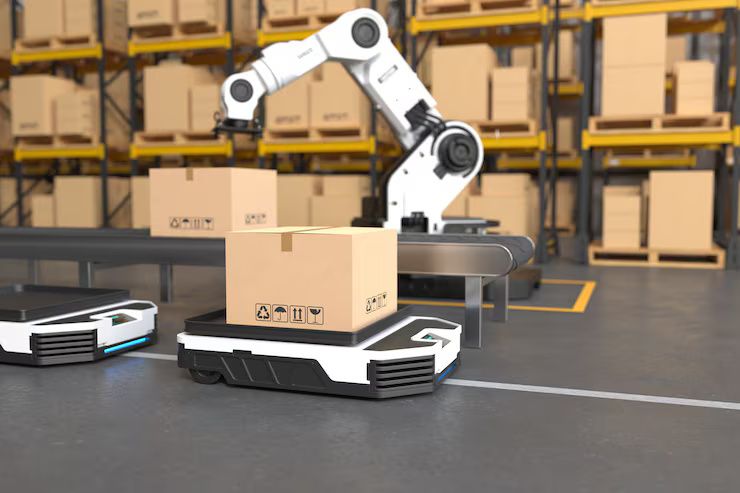
Warehouse automation systems are advanced technologies designed to improve the movement, storage, tracking, and management of goods within warehouse environments. These systems combine software platforms, robotics, sensors, artificial intelligence, and automated equipment to create more connected and efficient storage operations.
Modern warehouses handle increasingly complex supply chains that require accurate inventory management, faster order processing, and better coordination between storage and transportation activities. Smart warehouse technologies help organizations manage these challenges by integrating digital systems with physical warehouse operations.
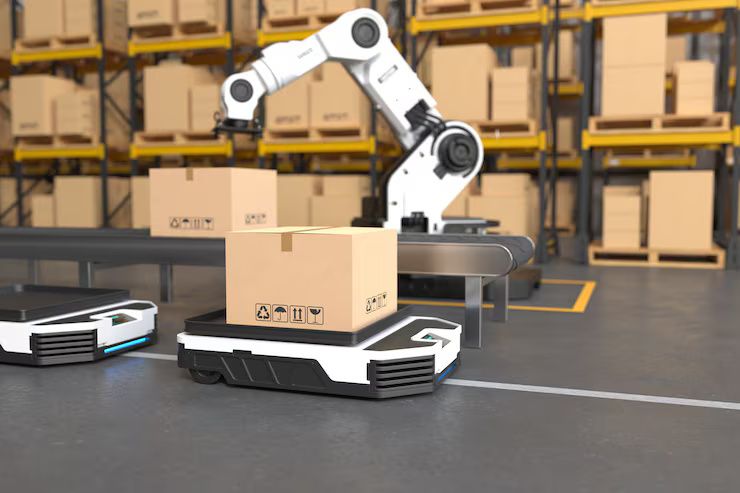
The growth of warehouse automation is closely connected with developments in logistics automation technology. Automated material handling systems, warehouse robotics, and digital management platforms are transforming traditional warehouses into intelligent facilities where machines and software work together to support daily operations.
Context
Understanding Warehouse Automation Systems
Warehouse automation systems refer to technologies that automate different activities within storage and distribution facilities. These systems may manage tasks such as product movement, inventory tracking, sorting, storage, and order preparation.
Traditional warehouses often depended heavily on manual processes for locating products, moving materials, and updating records. Automation introduces digital tools and machines that can perform repetitive activities while providing better operational visibility.
Common components of warehouse automation systems include:
| Component | Function |
|---|---|
| Automated storage systems | Organize and store products efficiently |
| Conveyor systems | Move goods between warehouse areas |
| Robotics systems | Perform material movement and handling tasks |
| Warehouse software | Manage inventory and operations |
| Sensors | Collect real-time information |
| Scanning systems | Track products and locations |
How Smart Warehouse Technologies Work
Smart warehouse technologies combine physical equipment with digital systems to create connected storage environments.
A typical automated warehouse process includes:
- Product arrival and identification
- Digital inventory recording
- Automated storage placement
- Product retrieval when required
- Sorting and movement
- Shipping preparation
Sensors, software platforms, and automated equipment communicate with each other to provide information about warehouse activities.
Types of Warehouse Automation Solutions
Different warehouse environments use different automation technologies.
| Technology Type | Main Application |
| Automated Storage and Retrieval Systems (AS/RS) | Automated product storage and retrieval |
| Conveyor automation | Product movement between areas |
| Autonomous mobile robots | Internal transportation tasks |
| Robotic picking systems | Product selection and handling |
| Automated sorting systems | Distribution and order organization |
| Warehouse management systems | Inventory and workflow control |
Development of Digital Warehouse Technology
Warehouses have evolved from basic storage locations into technology-driven operational centers. Earlier systems focused mainly on manual inventory tracking, while modern facilities use connected technologies and data analysis.
Digital warehouse technology may include:
- Cloud-based management platforms
- Artificial intelligence systems
- Real-time tracking
- Automated equipment control
- Data analytics tools
Importance
Why Warehouse Automation Matters
Warehouses play an important role in supply chains by connecting production, storage, and distribution activities. Increasing product variety and faster delivery expectations have created demand for more organized warehouse operations.
Warehouse automation systems help address challenges such as:
- Inventory accuracy
- Space management
- Product tracking
- Manual process limitations
- Operational coordination
Role of Automated Material Handling Systems
Automated material handling systems support the movement of products and materials within warehouses.
These systems may include:
- Conveyor networks
- Robotic transport vehicles
- Automated lifting equipment
- Sorting systems
They help coordinate movement between different warehouse zones.
Applications of Warehouse Robotics Systems
Warehouse robotics systems are increasingly used for repetitive and structured tasks.
Robotics applications may include:
- Product picking
- Packaging assistance
- Sorting activities
- Inventory movement
- Pallet handling
Robots may work independently or alongside human workers depending on the warehouse design.
Robotics Integration in Logistics
Robotics integration in logistics connects robotic equipment with warehouse software and supply chain systems.
Integrated robotics systems may support:
- Automated product movement
- Real-time inventory updates
- Coordinated workflows
- Operational monitoring
This connection allows warehouses to manage activities through centralized digital platforms.
Importance of Warehouse Management Systems
Warehouse management systems (WMS) are software platforms used to organize warehouse activities.
They may support:
- Inventory management
- Order tracking
- Storage planning
- Workforce coordination
- Equipment monitoring
WMS platforms often connect with automation equipment to create coordinated warehouse operations.
Role in Supply Chain Automation
Supply chain automation uses digital technologies to improve the movement of goods from production to customers.
Warehouse automation contributes by supporting:
- Inventory visibility
- Faster information exchange
- Improved coordination
- Data-based planning
Recent Updates
Growth of AI Warehouse Automation
Between 2024 and 2026, artificial intelligence continued influencing warehouse automation development. AI warehouse automation uses data analysis and intelligent systems to support warehouse decision-making.
AI applications may include:
- Inventory forecasting
- Route planning
- Equipment coordination
- Image-based product recognition
AI technologies continue developing as warehouses collect more operational data.
Expansion of Autonomous Mobile Robots
Autonomous mobile robots have become an important part of modern warehouse robotics systems.
These robots use sensors and navigation technologies to move materials within warehouse environments.
Applications may include:
- Transporting products
- Moving storage containers
- Supporting picking operations
- Assisting inventory activities
Increased Use of Automated Storage and Retrieval Systems
Automated storage and retrieval systems continue expanding in facilities that require organized storage management.
These systems may help with:
- High-density storage
- Automated product retrieval
- Inventory tracking
- Space utilization
Development of Smart Logistics Solutions
Smart logistics solutions connect warehouses with broader supply chain networks.
These systems may include:
- Digital tracking platforms
- Connected transportation systems
- Data analytics tools
- Automated communication systems
Growth of Data-Driven Warehouse Operations
Modern warehouses increasingly use operational data to understand performance and identify improvement opportunities.
Data-driven approaches may analyze:
- Product movement
- Equipment usage
- Inventory patterns
- Workflow performance
Laws or Policies
Workplace Safety Regulations
Warehouse automation systems must operate within workplace safety requirements that focus on employee protection and equipment operation.
Safety areas may include:
- Machine guarding
- Equipment inspection
- Operator training
- Emergency procedures
Robotics Safety Guidelines
Warehouse robotics systems require safety considerations because they operate around people, equipment, and stored materials.
Important areas include:
- Robot movement zones
- Safety sensors
- System monitoring
- Emergency controls
Data Protection Requirements
Digital warehouse systems collect operational information that may require protection through cybersecurity practices.
Data management areas may include:
- Access controls
- Network security
- Information protection
- System monitoring
Environmental and Energy Policies
Warehouse operations may also be influenced by environmental policies related to energy use and sustainability.
Automation technologies may support:
- Energy monitoring
- Efficient equipment operation
- Resource management
- Reduced operational waste
Tools and Resources
Warehouse Management Software
Warehouse management systems help organizations manage inventory and warehouse activities.
They may support:
- Product tracking
- Storage planning
- Order management
- Reporting
Robotics Management Platforms
Robotics platforms help coordinate warehouse robots and automated equipment.
Functions may include:
- Robot scheduling
- Movement control
- Performance monitoring
- System communication
Inventory Tracking Technologies
Inventory tracking tools use technologies such as:
- Barcode systems
- RFID technology
- Sensors
- Digital identification systems
These tools support accurate product location and movement records.
Logistics Analytics Platforms
Analytics platforms help analyze warehouse and supply chain information.
They may provide insights into:
- Inventory trends
- Operational performance
- Equipment activity
- Workflow patterns
Industry Information Resources
People interested in warehouse automation can explore information from:
- Logistics organizations
- Engineering publications
- Supply chain research groups
- Technology associations
- Government industry resources
FAQs
What are warehouse automation systems?
Warehouse automation systems are technologies that use software, robotics, and automated equipment to manage storage, movement, and tracking activities in warehouses.
How do smart warehouse technologies work?
Smart warehouse technologies connect equipment, sensors, and software systems to collect information and automate different warehouse processes.
What are warehouse robotics systems used for?
Warehouse robotics systems are used for tasks such as product movement, picking, sorting, inventory handling, and material transportation.
What is an automated storage and retrieval system?
An automated storage and retrieval system is a technology that uses automated equipment to store and retrieve products within warehouse facilities.
How does AI warehouse automation support logistics?
AI warehouse automation uses artificial intelligence and data analysis to support inventory management, workflow planning, and operational monitoring.
Conclusion
Warehouse automation systems are transforming storage and logistics operations through robotics, digital platforms, artificial intelligence, and connected technologies. Smart warehouse technologies help organizations manage inventory, material movement, and operational data in more structured ways. As logistics automation technology continues developing, automated systems, robotics integration, and digital warehouse platforms are shaping the future of supply chain operations. Understanding these technologies provides insight into how modern warehouses are becoming more connected and intelligent.