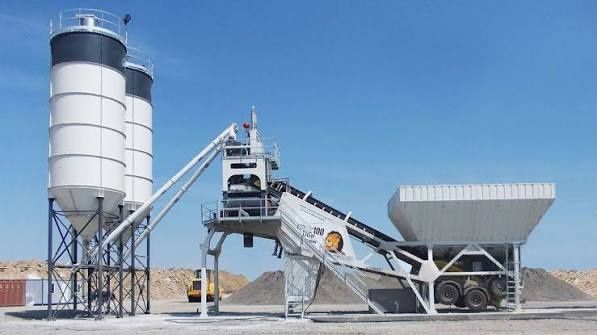
Batching machines are used to measure and combine materials in controlled quantities before a mixture is transferred for further processing. In concrete production, a batching machine commonly handles materials such as cement, aggregates, water, and selected additives according to a defined mix design.
Understanding batching machine working helps explain how raw materials move through storage, weighing, feeding, mixing, and discharge stages. This guide covers the main equipment parts, controls, functions, operating process, safety considerations, and important regulatory points in simple terms.
Context
A batching machine is equipment designed to measure different ingredients in predetermined quantities and deliver them in a controlled sequence. The term is commonly associated with concrete batching plants, although similar batching principles are used in industries such as food processing, chemicals, plastics, and material handling.
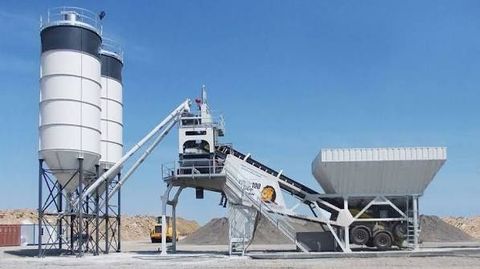
In a concrete batching system, aggregates are normally stored in separate bins, while cement and other powdered materials may be kept in silos. Water and admixtures are stored in dedicated systems. The machine uses weighing or metering equipment to determine the required quantity of each material before feeding them into the next stage.
The basic batching machine working process can be summarized as:
- Materials are stored in separate compartments.
- The control system receives the selected mix recipe.
- Aggregates, cement, water, and other ingredients are measured.
- Gates, conveyors, screws, pumps, or valves transfer the materials.
- The measured ingredients are combined.
- The mixture moves toward the mixer or discharge point.
- Sensors and controls monitor the sequence and operating conditions.
The exact arrangement varies according to the machine design, production capacity, material characteristics, and required mixture.
| Part | Main Function |
|---|---|
| Aggregate bins | Store different aggregate sizes |
| Weigh hopper | Measures material quantities |
| Cement silo | Stores powdered cement |
| Screw conveyor | Transfers powder or fine material |
| Water system | Measures and delivers water |
| Admixture system | Doses selected chemical additives |
| Mixer | Combines materials where mixing is included |
| Conveyor | Moves aggregates between stages |
| Control panel | Manages operating sequences |
| Sensors | Monitor weight, position, flow, and conditions |
Importance
Accurate batching is important because the proportion of each ingredient can affect the characteristics of the final mixture. Incorrect measurement may change consistency, strength, workability, setting behavior, or other performance characteristics.
Batching equipment also helps reduce variation between production cycles. Instead of relying entirely on manual measurement, automated systems can use load cells, flow meters, level sensors, and programmed controls to measure materials according to defined parameters.
The people affected by batching machine operation can include plant operators, maintenance personnel, quality-control teams, equipment technicians, construction workers, and managers responsible for production procedures.
Several factors influence batching accuracy:
- Material moisture content
- Aggregate size and distribution
- Weighing equipment calibration
- Gate and valve condition
- Sensor accuracy
- Material flow characteristics
- Control-system settings
- Correct mix-design information
Regular inspection is important because buildup, worn components, blocked material paths, or inaccurate sensors can affect the measurement process.
Recent Updates
Modern batching systems increasingly use electronic controls and automated monitoring. Digital control panels can display material weights, equipment status, alarms, batch sequences, and operating information in one interface.
Programmable logic controllers, commonly called PLCs, are frequently used to coordinate machine sequences. A PLC can receive signals from sensors and activate equipment such as motors, gates, valves, pumps, and conveyors according to programmed logic.
Another development is the greater use of data recording. Depending on the system, production records can include batch identification, measured quantities, sequence information, and equipment alarms. Such records can support quality checks and help identify unusual operating conditions.
Automation can also improve process consistency by reducing unnecessary manual intervention. However, automation does not remove the need for trained personnel. Operators still need to understand the material flow, control system, emergency procedures, inspection requirements, and limitations of the equipment.
Dust-control technology is another important area. Cement and aggregate handling can generate airborne particles, so enclosed transfer points, filtration equipment, housekeeping practices, and appropriate engineering controls may be used depending on the installation and applicable requirements.
Laws or Policies
Batching machine regulations vary by country, state, industry, plant design, and the materials being handled. Operators should therefore consult the rules that apply to their specific location rather than relying on a single international requirement.
In the United States, OSHA requirements address hazards associated with concrete and masonry construction equipment. For example, OSHA's construction standard includes requirements for bulk cement storage systems and certain concrete mixers.
Respirable crystalline silica is another important consideration where workers may be exposed to silica-containing materials. OSHA's construction silica standard, 29 CFR 1926.1153, establishes an action level of 25 micrograms per cubic meter and a permissible exposure limit of 50 micrograms per cubic meter as an 8-hour time-weighted average, subject to the standard's provisions.
OSHA also requires covered construction employers to use specified exposure-control methods or alternative control methods, depending on the circumstances. Written exposure-control plans, engineering controls, work practices, training, and other measures can be part of compliance.
Environmental rules may also apply to batching plants. For example, air-emission requirements can address particulate emissions from silos, hoppers, conveyors, stockpiles, roads, and other plant areas. Specific requirements depend on the jurisdiction and facility.
In India and other countries, operators should check applicable environmental, occupational-safety, electrical, construction, and factory regulations issued by national or regional authorities. Requirements can change according to plant location and operating conditions.
Tools and Resources
Several resources can help people understand and manage batching machine operation.
Technical resources
Useful resources include:
- Equipment operating manuals and maintenance manuals
- Manufacturer control-system documentation
- Mix-design specifications
- Weighing-system calibration records
- Electrical diagrams and PLC documentation
- Preventive-maintenance checklists
- Workplace hazard assessments
- Applicable government safety standards
A batching-machine inspection checklist can cover material bins, gates, conveyors, load cells, motors, sensors, control panels, emergency controls, dust-collection equipment, and visible signs of wear.
For United States operations, OSHA provides construction-safety information and specific resources covering silica exposure and concrete-related hazards.
A simple process record can also help operators review each production cycle:
| Checkpoint | Information to Review |
|---|---|
| Material storage | Quantity, condition, and segregation |
| Weighing | Measured quantity and scale status |
| Feeding | Gate, conveyor, or screw operation |
| Water dosing | Meter reading and flow |
| Controls | Alarms and sequence status |
| Mixing | Time and operating condition |
| Discharge | Material flow and blockage |
| Safety | Guards, emergency controls, and access |
Calibration should be performed according to the equipment manufacturer's instructions and applicable quality requirements. Maintenance personnel should also follow isolation procedures before working on moving or energized equipment.
FAQs
What is a batching machine?
A batching machine is equipment that measures and delivers different materials in specified quantities. In concrete production, it commonly handles aggregates, cement, water, and admixtures.
How does a batching machine work?
The control system selects a defined recipe, and weighing or metering equipment measures the required materials. Gates, conveyors, screws, pumps, or valves then transfer the measured materials through the production sequence.
What are the main parts of a batching machine?
Common parts include aggregate bins, weigh hoppers, load cells, cement silos, screw conveyors, water systems, admixture systems, control panels, sensors, motors, gates, and discharge equipment.
Why are controls important in batching equipment?
Controls coordinate material measurement and equipment movement. They can also display alarms, monitor sensors, manage operating sequences, and record selected production information.
What safety issues should operators consider?
Operators should consider moving machinery, electrical equipment, stored material, dust exposure, confined spaces, falls, vehicle movement, and unexpected equipment movement. Applicable safety procedures and regulations should be followed for the specific workplace.
Conclusion
Batching machine working involves a coordinated sequence of storage, measurement, material transfer, control, and discharge. Accurate weighing and properly functioning equipment are important for maintaining consistency in the resulting mixture.
Understanding the equipment parts and controls also helps operators recognize abnormal conditions and follow appropriate inspection procedures. Modern systems increasingly combine mechanical equipment with sensors, PLCs, digital controls, and production records.
For safe operation, the machine should be used according to its technical documentation and applicable regulations. Safety controls, dust-management practices, calibration, maintenance, and operator training all contribute to responsible batching operations.