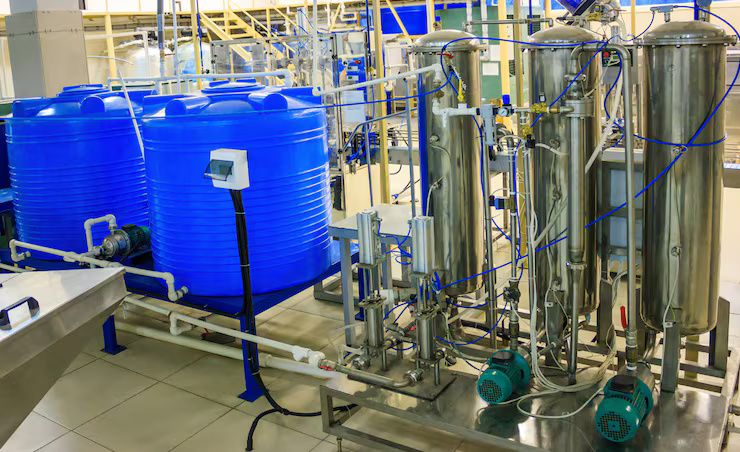
Chemical dosing systems are engineered arrangements used to introduce controlled quantities of chemicals into water, wastewater, industrial fluids, or other process streams.
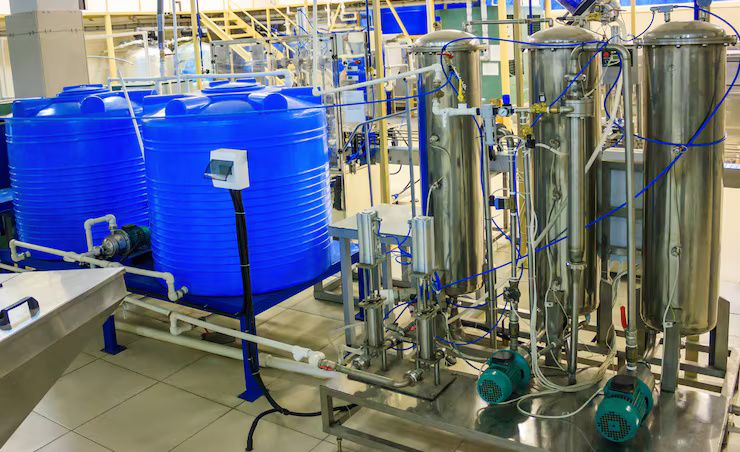
A typical chemical dosing system may include a dosing pump, chemical tank, injection point, control equipment, valves, tubing, and monitoring instruments.
The main purpose of chemical dosing is to maintain a desired chemical concentration or process condition. Depending on the application, chemicals may be used for disinfection, pH adjustment, corrosion control, scale prevention, coagulation, flocculation, or other treatment processes. Understanding chemical dosing system types, components, operating principles, and safety requirements helps users understand how these systems function.
Context
A chemical dosing system measures or controls the introduction of a chemical into a process stream. The amount introduced can be adjusted according to flow rate, concentration requirements, measurement results, or a programmed operating schedule.
Chemical dosing has been used for many years in water treatment and industrial processing. Modern systems combine mechanical equipment with electronic controls and sensors to improve dosing consistency and monitoring.
Common chemicals used in dosing applications include chlorine compounds, sodium hypochlorite, acids, alkalis, coagulants, polymers, corrosion inhibitors, and scale-control chemicals. The selected chemical depends on the treatment objective and the characteristics of the process.
A basic chemical dosing system generally follows this sequence:
- The chemical is stored in a suitable tank or container.
- A dosing pump draws the chemical from the storage vessel.
- The pump regulates the chemical flow.
- The chemical moves through suitable tubing or piping.
- An injection assembly introduces it into the process stream.
- Sensors or controllers may monitor the process and adjust dosing.
Main Types
Chemical dosing systems can be classified according to their pumping method, control approach, and application.
| System type | Main characteristic | Common application |
|---|---|---|
| Diaphragm dosing system | Uses diaphragm movement to transfer chemical | Water and wastewater treatment |
| Peristaltic dosing system | Uses a rotating mechanism and flexible tube | Laboratory and process applications |
| Piston dosing system | Uses piston movement for controlled delivery | Higher-pressure processes |
| Solenoid dosing system | Electromagnetic mechanism controls pumping | Compact water treatment equipment |
| Flow-proportional system | Dosing changes according to process flow | Municipal and industrial treatment |
| Automatic dosing system | Uses sensors and controllers | pH, chlorine, and process control |
The appropriate arrangement depends on chemical properties, required flow rate, pressure, accuracy, compatibility, and operating conditions.
Importance
Accurate chemical dosing is important because excessive or insufficient chemical addition can affect process performance. In water treatment, an incorrect concentration may influence disinfection, pH control, scaling, corrosion, or other treatment objectives.
Chemical dosing systems also help maintain repeatable operating conditions. Automated systems can respond to measurements from instruments such as pH sensors, conductivity meters, chlorine analyzers, flow meters, or oxidation-reduction potential sensors.
These systems can affect several groups, including:
- Water treatment operators
- Wastewater treatment personnel
- Industrial process engineers
- Maintenance teams
- Environmental compliance personnel
- Laboratory and research staff
Safety is another important consideration. Chemicals can have corrosive, reactive, toxic, or oxidizing properties. Storage, ventilation, containment, compatible materials, personal protective equipment, emergency procedures, and chemical handling practices should therefore be considered during system planning.
The materials used in pumps, seals, pipes, valves, and tanks should be compatible with the chemical being handled. Compatibility information should be checked against the chemical's safety documentation and operating conditions.
Recent Updates
Chemical dosing technology has increasingly incorporated automation, electronic monitoring, and data collection. Modern installations may connect pumps and sensors to programmable logic controllers, supervisory control systems, or other digital monitoring platforms.
One important trend is closed-loop dosing. Instead of operating only at a predetermined rate, the system can use measurements such as pH, chlorine concentration, or conductivity to adjust chemical delivery within defined operating limits.
Other developments include:
- Digital pump controls with adjustable dosing rates
- Remote monitoring of equipment status
- Sensor-based dosing adjustments
- Automated alarms for abnormal conditions
- Data logging for operational records
- Improved pump materials for chemical compatibility
- Variable-speed pumping technologies
- Integration with industrial automation systems
Digital monitoring can help operators identify unusual flow, pressure, tank-level, or sensor conditions earlier. However, automated control does not remove the need for appropriate calibration, inspection, maintenance, and human oversight.
European chemical regulation is also continuing to evolve. The European Union's 2026 report on REACH and CLP notes continued development in chemical registration, evaluation, risk management, classification, and labeling, while emphasizing the importance of current data and effective compliance practices.
Laws or Policies
Chemical dosing systems may be affected by different regulations depending on the country, chemical, application, and discharge pathway. There is no single worldwide rule covering every dosing installation.
In the United States, drinking-water applications can fall under the Safe Drinking Water Act. EPA establishes legally enforceable national primary drinking-water standards and treatment requirements for public water systems. States may also have their own approved requirements.
Wastewater applications can also fall under the Clean Water Act. Facilities discharging wastewater may need to comply with applicable permits, effluent requirements, monitoring obligations, and pretreatment standards. Industrial discharges to publicly owned treatment works can be subject to federal and local pretreatment requirements.
In the European Union, REACH addresses the registration, evaluation, authorization, and restriction of chemical substances. It places responsibilities on organizations handling chemicals and requires appropriate information about chemical hazards and safe use.
The EU CLP Regulation establishes requirements for the classification, labeling, and packaging of hazardous substances and mixtures. Recent amendments have introduced additional requirements with staggered application dates, including changes associated with the 2024 revision and subsequent 2025 amendment.
Because requirements differ by location and application, facilities should consult the relevant environmental, workplace-safety, water-quality, and chemical-handling authorities before operating or modifying a dosing installation.
Tools and Resources
Several resources can help users understand chemical dosing system design, operation, and compliance.
Useful resources include:
- EPA drinking-water regulations and contaminant information
- EPA Clean Water Act and pretreatment guidance
- European Commission REACH information
- ECHA chemical safety and classification resources
- Chemical Safety Data Sheets
- Pump manufacturer's technical manuals
- Chemical compatibility charts
- Flow and concentration calculation worksheets
- pH and chlorine monitoring guidance
- Process instrumentation manuals
Basic calculations often involve chemical concentration, process flow, pump capacity, and dosing rate. For example, a dosing calculation may consider the required chemical concentration, the process-water flow rate, and the concentration of the chemical solution being injected.
Operators should verify calculations using the actual chemical concentration, equipment specifications, process conditions, and applicable engineering requirements rather than relying on a general formula alone.
FAQs
What is a chemical dosing system?
A chemical dosing system is equipment designed to introduce a controlled quantity of a chemical into a process stream, water system, or industrial application.
What are the main components of a dosing system?
Common components include a chemical storage tank, dosing pump, suction line, discharge line, injection assembly, valves, control equipment, and monitoring instruments.
Where are chemical dosing systems used?
They are widely used in drinking-water treatment, wastewater treatment, industrial processing, cooling-water management, boiler-water treatment, agriculture, and laboratory applications.
How is dosing accuracy maintained?
Accuracy can depend on pump calibration, chemical concentration, flow conditions, pressure, tubing condition, sensor performance, and appropriate control settings. Regular inspection and calibration are important.
Are chemical dosing systems automated?
Some systems are manually controlled, while others use sensors, programmable controllers, flow signals, or feedback mechanisms to regulate chemical addition automatically.
Conclusion
Chemical dosing systems provide a controlled method for introducing chemicals into water and industrial processes. Their design can range from simple manually adjusted arrangements to automated systems using sensors, controllers, and continuous monitoring.
Selecting suitable components requires consideration of chemical properties, flow conditions, pressure, required dosing accuracy, material compatibility, safety practices, and applicable regulations. Understanding these factors helps users evaluate how a chemical dosing system operates and where it fits within a wider treatment process.
Regulatory requirements should always be checked according to the location and application. EPA resources, European chemical regulations, safety documentation, technical manuals, and relevant engineering guidance can provide useful background information for responsible system operation.