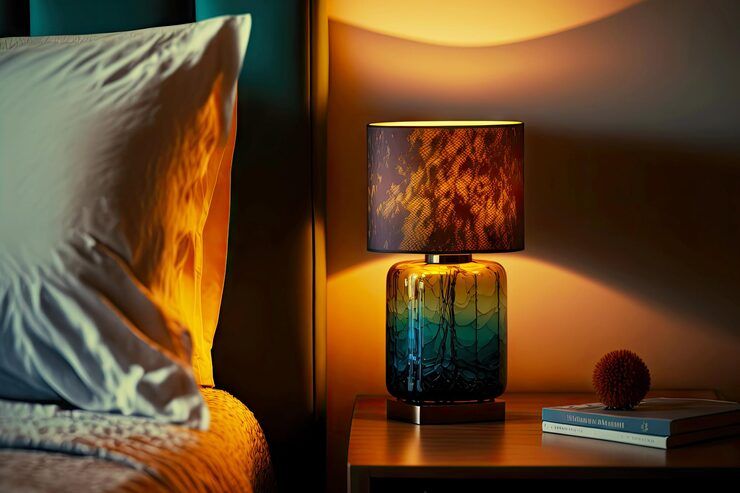
Smart light-control bedside tables combine traditional bedroom furniture with modern lighting technology and electronic features. These tables are designed to sit beside a bed while providing convenient access to lighting controls, charging connections, and sometimes wireless connectivity. Depending on the model, users may be able to adjust brightness, change light color, set schedules, or control illumination through touch panels, remote controls, smartphone applications, or voice assistants.
Traditional bedside tables primarily provide storage for items such as books, glasses, and personal belongings. Smart versions extend this function by integrating technology into the furniture itself. Some designs include built-in LED strips, illuminated drawers, wireless charging pads, USB ports, motion sensors, or connections to a broader smart home system.
The main purpose of these products is to make bedroom lighting easier to manage while keeping everyday objects within reach. Their design brings together furniture engineering, electrical components, lighting controls, and home automation.
How Smart Lighting Technology Works
Smart light-control bedside tables generally use low-voltage LED lighting, electronic controllers, and one or more user interfaces. The controller receives instructions from a touch sensor, physical button, remote control, mobile application, or compatible smart home platform.
Common features include:
Adjustable brightness: Allows users to increase or reduce illumination according to their needs.
Color temperature control: Changes lighting from warm white to cooler white, depending on the installed LEDs.
Preset lighting modes: Provides settings for reading, relaxation, or nighttime navigation.
Scheduled lighting: Automatically switches lights on or off at selected times.
Motion-activated illumination: Detects movement and activates a light when configured to do so.
Smart home integration: Connects compatible lighting controls with other household devices.
Not every bedside table includes all these capabilities. Some use simple touch-sensitive controls, while others connect to Wi-Fi, Bluetooth, or a dedicated smart home hub.
Why Smart Light-Control Bedside Tables Matter
Bedroom lighting influences comfort, visibility, and daily routines. A well-positioned bedside light can make reading easier, reduce the need to walk across a dark room to reach a switch, and provide convenient illumination during nighttime movement.
Smart lighting furniture may be particularly useful for people who prefer adjustable light levels, households with limited bedside space, and users who want to coordinate bedroom lighting with other connected devices.
Benefits for Different Users
Smart bedside tables can support different needs depending on their features and placement.
Readers: Adjustable lighting can help provide suitable illumination for books and other close-up activities.
Older adults: Low-level nighttime lighting may improve visibility when moving around the bedroom, although it does not eliminate fall risks.
People with busy routines: Timed lighting can help simplify repeated daily tasks.
Small-space households: Integrated lighting and charging can reduce the need for separate bedside accessories.
Smart home users: Compatible furniture can become part of a coordinated lighting environment.
These features should complement suitable room lighting rather than replace all other light sources. Reading, dressing, and other activities may require different illumination levels.
Energy Efficiency and Everyday Convenience
LED technology is commonly used in smart lighting because it generally consumes less electricity than traditional incandescent lighting for comparable light output. However, overall energy use depends on brightness, operating hours, standby power, and the number of integrated electronic components.
A basic energy estimate can be calculated using the following formula:
Electricity consumption (kWh) = Power (watts) × Operating hours ÷ 1,000
For example, a 5-watt bedside LED operating for five hours each night uses approximately 0.025 kWh per day, or 9.13 kWh over a 365-day year. This example excludes standby consumption and assumes the light operates at the stated power level throughout the period.
Smart controls can help prevent unnecessary operation when users configure timers, schedules, or automatic shutoff functions appropriately.
Recent Trends in Smart Bedside Furniture
Smart bedroom furniture continues to develop as manufacturers combine compact electronics, energy-efficient lighting, and minimalist furniture design. Trends reported during 2025 and 2026 emphasize practical technology that fits naturally into bedroom interiors rather than adding complicated controls.
Integrated Wireless Charging and USB-C Connectivity
One notable trend is the integration of wireless charging surfaces and USB-C ports into bedside furniture. These features can reduce visible cable clutter and make it easier to keep compatible devices charged near the bed.
Wireless charging generally uses electromagnetic induction between a charging transmitter and a compatible device. Charging performance depends on the device, charging standard, alignment, and power rating. Users should check whether a table supports their particular phone or other electronic equipment.
Tunable White Lighting and Smart Controls
Tunable white lighting allows users to adjust the color temperature of a light source, typically between warmer and cooler white tones. Warm light is often preferred for a relaxed evening atmosphere, while cooler white lighting can provide a more neutral appearance for reading or other tasks.
Other developments include:
App-based brightness and color temperature adjustment.
Motion sensors for low-level nighttime lighting.
Preset schedules for morning and evening routines.
Compatibility with selected voice assistants and smart home platforms.
Touch-sensitive controls integrated into tabletops or furniture panels.
These features vary by model and should not be assumed to be available in every smart bedside table.
Minimalist Design and Integrated Storage
Bedroom furniture trends also emphasize concealed wiring, compact charging stations, soft illumination, and multifunctional storage. Wood finishes, neutral colors, and simple shapes allow electronic features to blend with conventional bedroom furniture.
Designers must also consider ventilation, heat management, cable routing, and access to electrical components. Technology should not compromise the stability, durability, or practical storage functions of the furniture.
Laws, Safety Standards, and Policies
Smart light-control bedside tables combine furniture with electrical and electronic components. Their regulatory requirements depend on the components included, the product's intended use, and the country where it is manufactured or sold.
Electrical Safety Requirements in India
In India, the Bureau of Indian Standards (BIS) develops standards for product safety, including relevant categories of electrical equipment and lighting products. The Bureau of Indian Standards Act, 2016, provides the legal framework for standardization and conformity assessment.
The Safety of Household, Commercial and Similar Electrical Appliances (Quality Control) Order, 2025, was notified on May 19, 2025. Its implementation dates and applicability depend on the covered product category and manufacturer classification. The general implementation date was March 19, 2026, with additional time for eligible small and micro enterprises.
Not every smart bedside table is automatically covered by the same certification requirement. Applicable standards depend on whether the product contains regulated LED lighting, power adapters, electronic controls, or other components subject to specific requirements.
Other Important Considerations
Manufacturers and consumers should consider the following areas:
Electrical protection: Appropriate insulation, wiring, connectors, and protection against electrical faults.
Lighting safety: Compliance with relevant requirements for LED modules, lamps, and luminaires.
Wireless charging: Compatibility with supported charging standards and suitable thermal protection.
Product labeling: Clear information about voltage, power ratings, supported functions, and safe use.
Consumer protection: Accurate product descriptions and transparent statements about compatibility and functionality.
Electronic waste: Responsible disposal of electronic components, cables, batteries, and circuit boards.
In India, the E-Waste (Management) Rules, 2022, and subsequent amendments may apply to covered electrical and electronic equipment and the relevant parties handling it. Applicability should be assessed according to the product category and the obligations imposed by the rules.
Consumers should check relevant certification markings and documentation where required rather than assuming that every product carrying a smart label has undergone the same testing.
Tools and Resources for Choosing Smart Bedside Tables
Selecting suitable smart bedroom furniture involves more than comparing lighting features. Room dimensions, electrical safety, device compatibility, storage needs, and control preferences should all be considered.
Helpful Tools and Assessment Methods
Room measurement tools: Measure the space beside the bed to determine suitable table height, width, and depth.
Lighting calculators: Estimate the approximate light output required for reading or general bedroom illumination.
Electricity consumption calculators: Estimate annual energy use based on wattage and daily operating hours.
Smart home compatibility checkers: Determine whether a lighting product works with an existing home automation platform.
Wireless charging compatibility guides: Check supported charging standards and power requirements.
Furniture planning applications: Arrange bedroom furniture virtually and evaluate walking space, placement, and accessibility.
Comparison Table of Key Features
Feature | Main purpose | What to check |
|---|---|---|
Dimmable LED lighting | Adjustable illumination | Brightness range and control method |
Tunable white LEDs | Adjustable light appearance | Supported color temperature range |
Wireless charging | Convenient device charging | Device compatibility and charging power |
USB-C ports | Wired electronic charging | Output rating and supported charging protocols |
Motion sensors | Automatic nighttime lighting | Detection range and timer settings |
App connectivity | Remote lighting control | Wi-Fi or Bluetooth compatibility |
Built-in storage | Organizing bedside items | Drawer dimensions and load capacity |
These features should be evaluated according to actual needs. For example, a person who primarily reads before sleeping may prioritize adjustable brightness, while someone seeking coordinated home automation may prefer scheduling and compatible smart home controls.
Frequently Asked Questions
What is a smart light-control bedside table?
A smart light-control bedside table is a piece of bedroom furniture that incorporates lighting controls and may include features such as adjustable LED illumination, wireless charging, USB ports, motion sensors, or smartphone connectivity.
Can smart bedside tables help reduce electricity consumption?
They can help manage electricity use through LED lighting, timers, scheduling, and automatic shutoff. Actual savings depend on the lighting's power consumption, usage patterns, and standby energy requirements.
Do smart bedside tables require Wi-Fi?
No. Basic models may use touch controls, physical buttons, or remote controls without an internet connection. Wi-Fi or Bluetooth is generally needed only for features that depend on wireless communication, mobile applications, or smart home integration.
Are smart light-control bedside tables safe to use overnight?
They can be suitable for overnight use when designed and installed according to applicable safety requirements. Users should follow the manufacturer's instructions, avoid overloaded electrical connections, maintain proper ventilation, and discontinue use if wiring or electronic components show signs of damage.
What should consumers consider before selecting a smart bedside table?
Important considerations include table dimensions, lighting adjustability, electrical safety, charging compatibility, ease of use, storage capacity, maintenance requirements, and integration with existing devices. The best combination depends on the bedroom layout and the user's everyday routine.
Conclusion
Smart light-control bedside tables represent the integration of traditional furniture with modern lighting and home automation technology. Features such as dimmable LEDs, tunable white lighting, motion sensors, wireless charging, and app-based controls can improve convenience while supporting flexible bedroom arrangements.
Developments during 2025 and 2026 highlight growing interest in multifunctional furniture, concealed electronics, and connected lighting. However, the practical value of these features depends on compatibility, reliability, electrical safety, and individual requirements.
By evaluating lighting performance, energy consumption, construction quality, and applicable safety standards, consumers can better understand how smart bedside furniture fits into a modern bedroom. Careful planning helps ensure that technology complements comfort, functionality, and responsible everyday use.