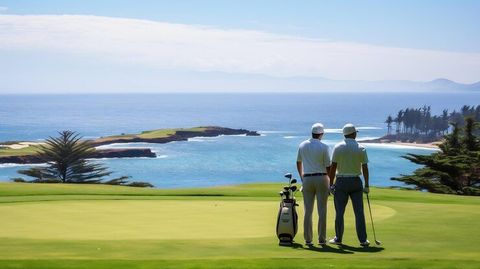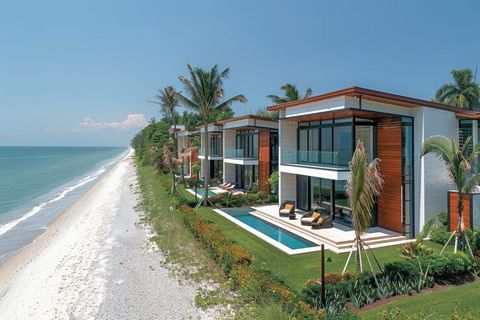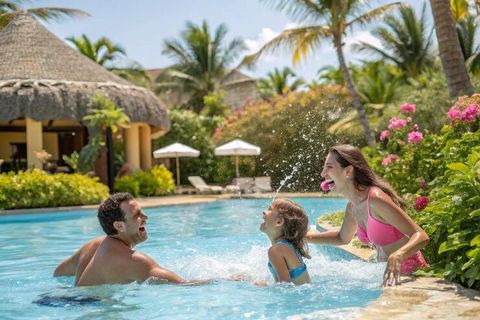
Exclusive golf resort getaways combine golf facilities with accommodation, dining, recreation, wellness, and landscaped outdoor environments. These destinations are designed for travelers who want to experience golf alongside other leisure activities in a coordinated setting.
Golf resorts operate in many countries, including the United States, Portugal, Spain, Scotland, Ireland, the United Arab Emirates, Thailand, South Africa, and Mauritius. Their settings range from coastal landscapes and mountain valleys to countryside estates and desert environments.
A golf resort may include an eighteen-hole championship course, a practice range, putting greens, a clubhouse, restaurants, fitness facilities, swimming pools, and accommodation. Some properties also feature spa facilities, tennis courts, nature trails, and cultural activities.
The term exclusive generally refers to a setting that emphasizes privacy, specialized facilities, personalized experiences, or limited access. However, the exact meaning varies between properties, and the term does not guarantee a particular level of quality.
Understanding Luxury Golf Resort Destinations
Golf resorts differ from standalone golf courses because they combine playing facilities with other aspects of a travel experience.
A championship golf course may be the central attraction, while accommodation, dining, recreation, and transportation arrangements support the wider visit.
Common features include:
Eighteen-hole golf courses and practice facilities
Golf instruction and coaching programs
Clubhouses and dining areas
Landscaped accommodation and private villas
Fitness centers and wellness facilities
Golf equipment storage and course preparation areas
Scenic walking routes and outdoor recreation
Conference facilities and group activities
Some resorts operate within established golf destinations, while others are located near major cities, beaches, or cultural attractions.
Popular Golf Resort Regions
Different destinations provide distinct golfing environments.
Scotland and Ireland are associated with traditional links courses, coastal weather, and long-established golf history.
Portugal and Spain combine golf courses with Mediterranean climates, historic towns, and coastal landscapes.
The United States has a broad range of resort courses, including desert layouts, mountain courses, and coastal championship venues.
The United Arab Emirates features modern golf facilities within urban and desert environments.
Thailand and Mauritius combine golf with tropical landscapes, beach destinations, and other recreational activities.
The most suitable destination depends on the season, travel distance, course preferences, weather, and available facilities.
Comparing Golf Resort Experiences
| Resort Type | Typical Environment | Main Considerations |
|---|---|---|
| Coastal golf resort | Ocean views and seaside terrain | Wind and changing weather |
| Mountain golf resort | Elevated landscapes | Temperature and elevation |
| Desert golf resort | Dry climate and open terrain | Heat and water management |
| Countryside golf resort | Green landscapes and traditional estates | Seasonal rainfall |
| Tropical golf resort | Warm temperatures and vegetation | Humidity and heavy rain |
| Urban golf resort | City access and modern facilities | Traffic and local climate |
Why Exclusive Golf Resort Getaways Matter
Golf resorts serve travelers with different interests, including recreational golfers, experienced players, families, corporate groups, and people seeking outdoor leisure.
Recreation and Skill Development
Golf provides a combination of physical activity, coordination, concentration, and strategic decision-making. Resort facilities can support different experience levels through practice areas, coaching, and courses with varying difficulty.
Beginners may focus on introductory instruction and practice greens, while experienced golfers may prioritize course design, playing conditions, and tournament-standard facilities.
Combining Golf With Leisure
A golf resort can accommodate travelers who have different priorities. While some visitors spend much of the day on the course, others may prefer wellness activities, swimming, dining, cultural excursions, or nature walks.
This arrangement can make a golf-focused trip more suitable for couples, families, and groups with varied interests.
Course Design and Landscape
Golf course architecture influences the character and difficulty of a resort. Designers consider terrain, drainage, vegetation, hazards, wind exposure, and the relationship between holes.
Links courses often feature sandy soil, coastal winds, and relatively open terrain. Parkland courses generally contain more trees and carefully maintained vegetation, while desert courses use landscape features adapted to arid environments.
Course conditions can change with the season, maintenance schedules, and local weather.
Recent Developments and Trends
Golf resorts have increasingly emphasized environmental management, digital planning, and diversified recreational experiences. During 2025 and 2026, sustainability and changing golfer preferences remained important subjects across the international golf industry.
Water Conservation
Water management is a major concern for golf courses, particularly in arid regions and destinations experiencing drought.
Golf course operators increasingly examine irrigation efficiency, drought-tolerant grasses, soil moisture monitoring, reclaimed water, and landscaping that reduces unnecessary water use.
The effectiveness of these measures varies according to local climate, water availability, course design, and environmental requirements.
Sustainable Golf Course Management
Environmental planning can include wildlife habitat protection, native vegetation, soil conservation, reduced chemical use, and improved management of stormwater.
The Golf Environment Organization and other golf sustainability organizations provide frameworks that help facilities assess their environmental performance.
These practices are particularly relevant to resorts located near wetlands, coastlines, forests, or sensitive ecosystems.
Digital Golf Planning
Digital booking systems, mobile scorecards, GPS-based course information, and golf performance applications have become important parts of the modern golfing experience.
Golfers can use digital tools to review course layouts, track playing statistics, organize travel schedules, and understand facility arrangements before arrival.
Wellness and Multi-Activity Travel
Golf resorts increasingly combine golf with fitness, wellness, culinary experiences, and outdoor recreation. This reflects the interests of travelers who want a broader leisure itinerary rather than a trip centered exclusively on playing golf.
The specific facilities and activities available vary by destination and property, so current information should be reviewed before planning.
Laws, Policies, and Environmental Requirements
Golf resort operations are affected by national legislation, local planning rules, environmental requirements, building standards, and golf-specific regulations. The applicable framework depends on the country and location.
Land Use and Environmental Planning
Developing or expanding a golf resort can involve land-use planning, environmental assessments, water permits, drainage requirements, and restrictions on development near protected areas.
Resorts located near wetlands, forests, coastlines, or wildlife habitats may face additional environmental obligations.
In the European Union, environmental requirements can include the Water Framework Directive and the Habitats Directive, depending on the location and nature of the project.
Water Use and Irrigation
Water consumption is particularly important for courses in dry climates. Local authorities may regulate groundwater extraction, irrigation, water reuse, and restrictions during droughts.
Resort managers need to understand applicable water permits and conservation requirements before designing or changing irrigation systems.
Golf Rules and Player Conduct
The Rules of Golf are maintained by The R&A and the United States Golf Association. They cover playing procedures, penalties, equipment, course conditions, and other aspects of the game.
Individual resorts may also establish local rules relating to dress codes, pace of play, golf carts, practice facilities, and course access.
Visitors should review the current rules of the relevant facility before playing.
Safety and Accessibility
Golf resorts must comply with applicable local requirements concerning building safety, food preparation, swimming pools, transportation, and workplace safety.
Accessibility obligations also vary by jurisdiction. Travelers who require step-free routes, accessible accommodation, or specialized golf equipment should confirm arrangements with the property in advance.
Tools and Resources for Golf Resort Planning
Digital resources can help travelers compare destinations, understand courses, and prepare a practical itinerary.
Golf Course Information
Golf course directories and official resort websites provide details about course layouts, playing conditions, facilities, seasonal maintenance, and visitor arrangements.
Useful information includes:
Course length and difficulty
Number of holes
Practice facilities
Golf instruction
Equipment requirements
Course maintenance schedules
Local playing rules
Weather and Travel Planning
Weather applications help golfers understand temperature, rainfall, wind, and daylight conditions.
Wind is particularly important on coastal courses, while extreme heat can affect desert and tropical destinations.
Travel planning tools can also help estimate transportation time, compare flight connections, and organize activities around scheduled rounds.
Golf Performance Applications
Golf GPS and scoring applications can help players record scores, understand distances, and track performance over time.
Depending on the application, features may include:
Digital scorecards
Course maps
Shot tracking
Handicap calculations
Performance statistics
Practice records
The availability and accuracy of features depend on the application, device, and course data.
Resort Evaluation Checklist
| Factor | What to Review |
|---|---|
| Course design | Layout, difficulty, and terrain |
| Climate | Seasonal temperature and rainfall |
| Accommodation | Room types and accessibility |
| Facilities | Practice areas, fitness, and recreation |
| Sustainability | Water management and habitat protection |
| Transportation | Airport connections and local travel |
| Regulations | Visitor rules and local requirements |
| Schedule | Course availability and maintenance |
Frequently Asked Questions
What makes a golf resort different from a regular golf course?
A golf resort combines playing facilities with accommodation and other recreational amenities. A standalone course may focus primarily on golf, whereas a resort supports a broader travel experience.
Which countries are known for luxury golf resorts?
Scotland, Ireland, Portugal, Spain, the United States, the United Arab Emirates, Thailand, and Mauritius are among the destinations associated with established golf tourism. The best location depends on climate, course preferences, travel arrangements, and available facilities.
When is the best time to plan a golf resort getaway?
The ideal season depends on the destination. Mediterranean courses are popular during suitable spring and autumn conditions, while tropical destinations can experience seasonal rainfall. Desert destinations may be more comfortable during cooler months.
Do golf resorts accommodate beginners?
Many resorts have practice facilities, introductory lessons, and courses suitable for different experience levels. However, instruction, equipment availability, and beginner-friendly arrangements vary by property.
How can travelers evaluate a golf resort's environmental practices?
Travelers can examine published sustainability reports, water management practices, irrigation methods, habitat conservation measures, and recognized environmental certifications. Claims should be assessed using specific evidence rather than general promotional descriptions.
Conclusion
Exclusive golf resort getaways combine golf course design, accommodation, outdoor recreation, and destination experiences within a coordinated travel environment. Their appeal depends on factors such as course quality, climate, facilities, accessibility, and the interests of individual travelers.
Recent trends highlight the importance of water conservation, sustainable landscape management, digital planning, and recreational activities beyond golf. These considerations are especially relevant as resorts adapt to changing environmental conditions and visitor expectations.
Choosing a suitable destination requires reviewing course characteristics, seasonal weather, facilities, transportation, local regulations, and environmental practices. Careful planning helps travelers understand what a golf resort provides and how its setting fits their preferred style of travel.